

Written by:

Bank of England urged to halt active bond sales as borrowing costs climb
 Reading time: 3 minutes
Written by:
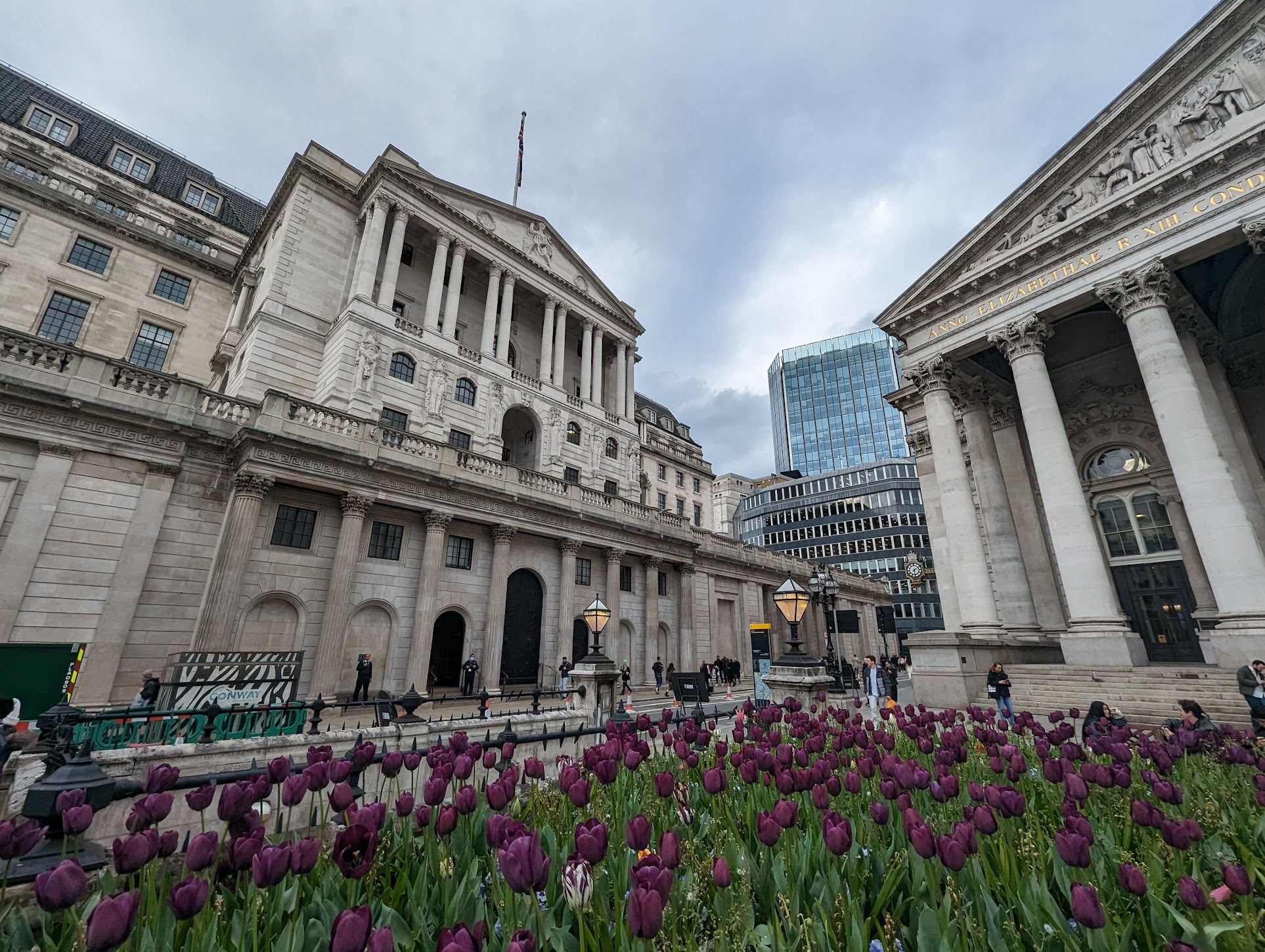
The Bank of England is facing scrutiny over its approach to unwinding quantitative easing
The Bank of England has been urged by economists to halt its bond-selling programme, arguing it is driving up the government’s borrowing costs at the expense of taxpayers.
A group of bond investors and analysts warned the bank’s approach to unwinding quantitative easing is adding pressure to already elevated gilt yields, costing the Treasury billions of pounds in the process.
The 30-year gilt yield climbed to around 5.8%, its highest level since 1998, while 10-year yields remain close to the post-financial crisis high of 5.1%, which it hit in April.
The pressure on UK borrowing costs forms part of a broader global retreat from long-dated government bonds. In the US, Treasury Secretary Scott Bessent has increased the pace of debt buybacks in an effort to hold down long-term borrowing costs.
Unlike its major counterparts, the Bank of England is actively selling bonds rather than simply letting them mature, a policy known as “active quantitative tightening” that adds to the supply of long-dated gilts on the market and pushes down their price. Other central banks have opted to run down their balance sheets passively, allowing bonds to mature without reinvestment.
James Carter, co-head of fixed income at W1M, told CityAM: “At a time when the US government is using Treasury buybacks to support yields at the long end of the curve, it is reasonable to ask whether the UK still needs to be adding additional gilt supply through active sales. The balance sheet can continue shrinking without actively selling bonds into the market.
“The strongest argument for slowing active quantitative tightening is increasingly fiscal rather than monetary. Selling gilts today crystallises losses immediately for the Treasury, whereas allowing bonds to mature spreads that burden over time.”
The Bank of England has defended active quantitative tightening arguing that its approach reflects the fact that the government has historically issued a larger share of long-dated debt than its peers.
But Neil Wilson, investment strategist at Saxo UK, told the outlet the case for continuing active quantitative tightening was “rather weak”, pointing out that the Bank has already unwound £400bn since the quantitative easing era “and is approaching balance sheet levels last seen in 2022”.
Bank of England officials have acknowledged the programme’s impact, estimating it has added up to 30 basis points to the yields on long-dated bonds and conceding it has “accounted for a modest increase in long-term interest rates” in last month’s monetary policy report.

Share this article:

Subscribe to our newsletter to not miss articles like this one:
 SUBSCRIBE