

Written by:

Female founders put business before pay and pensions, new survey finds
 Reading time: 4 minutes
Written by:
Sophie Catto
Around a third of female business owners in the UK do not pay themselves from their business with almost 30% saying they are paying less into their pensions than before they started, according to new research from Tide and AllBright everywoman.
The Female Business Owners Index 2026, based on a survey of more than 1,000 female business owners and 300 male entrepreneurs, found women remain ambitious and optimistic, with 67% saying running their own business has met or exceeded their expectations. Around 69 said they expect their revenue to grow in the next year, and 47% plan to launch new products or services.
Yet those businesses aren’t always growing their owners’ personal wealth and many women are paying for their ambition with their health too. It found that 32% of female entrepreneurs take no salary or day rate, while others take an irregular salary depending on how the business is doing at 19% or only enough to live on a 18%. Just 13% pay themselves more than they could earn in an equivalent employed role, compared with 20% of male business owners.
That leaves little room to save, as half of women say limited disposable income makes saving or investing harder, compared with 40% of men, and 39% say irregular income makes it hard to put money aside regularly. Almost a quarter of female founders put reinvesting in their business ahead of their own savings.
The longer-term picture is mixed, as while 45% say their long-term financial security has improved since starting their business, a third say it has worsened. While, 29% say the amount they pay into their pension has got worse, and 30% say they have less choice over when they can retire. A third of female founders plan to pay more into their pension, but a fifth say they’re not currently in a position to.
Most employees are automatically enrolled into a workplace pension, business owners have to set up and fund their own. National figures show just 20% of working-age self-employed women pay into a pension, compared with 79% of female employees.
Almost one in five delayed medical treatment in the past year because they were worried about the impact on their business and nearly half worked through illness because nobody could cover for them.
The findings come as running a business gets harder, with almost four in ten (39%) women finding the past year tougher than the one before. Almost half (49%) have worked longer hours and more than one in five (21%) have taken on another job for extra income.
AI is becoming a bigger part of how female founders work, in many cases improving productivity. 85% now use AI in their business and 41% say it has boosted their productivity, up from 28% last year.
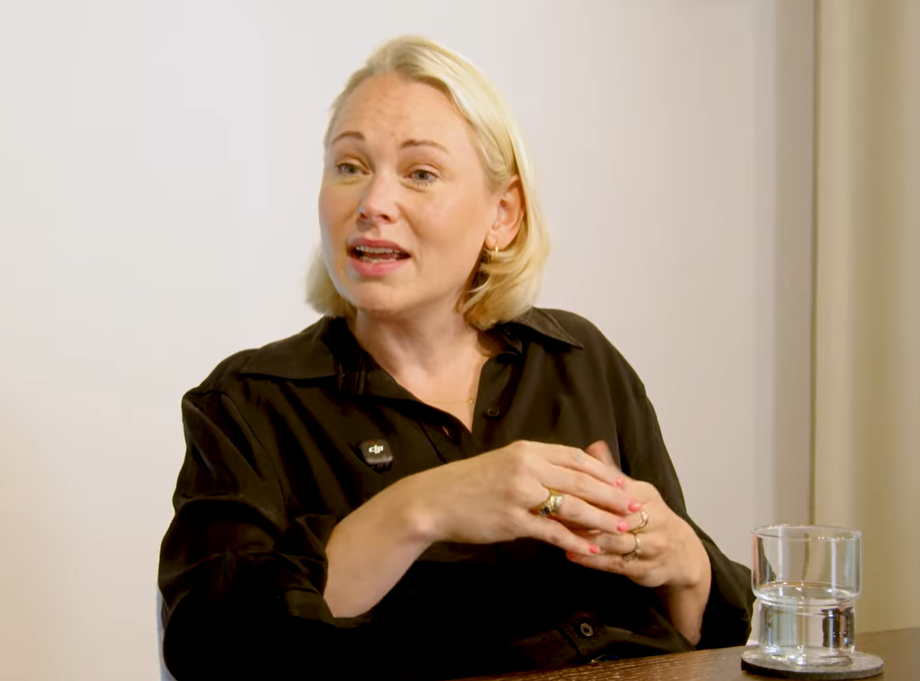
Sophie Catto, managing director of AllBright everywoman, said: “Female founders have shown they can grow businesses through some of the toughest conditions in years but what this research shows is that the business often gets paid before the founder does. Skipping pension payments for a year or two might feel manageable, but over a working life it adds up. Women are investing everything in their businesses, including their time and their health, and they shouldn’t have to put their financial future on hold to do it.”
George Schmidt, chief executive at Tide UK/Europe, said: “The findings of this year’s Female Business Owners Index are a stark reminder of the personal sacrifices women are making to keep their businesses running. Founders are ambitious and optimistic about growth, but too many are putting their own health and financial security second. Building a successful business should not come at the expense of either.
“At Tide, we’re proud that more than 200,000 women in the UK use our services. We’re committed to helping them start, run and grow their businesses, not only through tools that save time and simplify business admin, but through our Women in Business programme, which provides practical support, skills and opportunities to connect with other founders.”

Share this article:

Subscribe to our newsletter to not miss articles like this one:
 SUBSCRIBE