

Written by:

Fidelity European Trust lags benchmark as NAV rises 6.4% against 10.3%
 Reading time: 2 minutes
Written by:
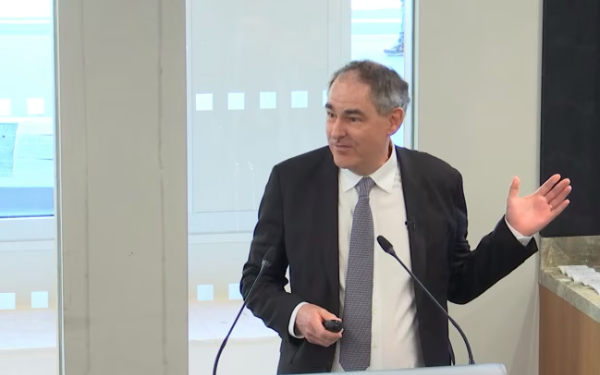
portfolio manager Sam Morse
Fidelity European Trust has reported a total return on its net asset value of 6.4% against 10.3% for its benchmark, the FTSE World Europe ex UK Index, during the six months to 30 June 2026. The share price fell further behind net asset value (NAV) as the discount to NAV widened over the period.
Continental European equities delivered positive returns over the period, supported by improving corporate earnings, continued AI-related investment enthusiasm, and growing optimism around Europe’s fiscal outlook, with market leadership broadening beyond US mega-cap tech.
However, portfolio manager Sam Morse, who will retire next year, said markets remained volatile as investors responded to a shifting geopolitical backdrop, including a sharp deterioration in sentiment following the Middle East conflict, which triggered an energy shock and renewed concern over Europe’s energy security, inflation and growth. Defence companies and select technology stocks performed strongly as a result.
Morse said the trust’s underperformance stemmed largely from investors favouring AI-linked and more economically sensitive stocks over the quality, dividend-paying companies the portfolio favours, alongside weaker stock selection in financials, healthcare and technology, and a broader shift away from software companies now viewed as “AI losers”.
Despite this, the portfolio retains a significant weighting in AI beneficiaries, including software companies Morse believes hold durable competitive advantages. He said the trust remains well positioned for long-term returns through its focus on resilient business models, strong cash generation and sustainable dividend growth, citing holding Partners Group, a private markets investment firm, as one example of a “high-quality franchise” despite near-term pressures on fundraising and performance fees across the sector.
Mr Morse said the trust’s dividend yield, historically 5–15% below the market to reflect the quality of its holdings, is now broadly in line with the market, meaning investors can access higher-quality companies without the premium typically required in the past.
The trust plans to increase exposure to AI and data-centre investment and attractively valued European banks, and has taken a new position in German defence company Hensoldt following its recent share price fall.

Share this article:

Subscribe to our newsletter to not miss articles like this one:
 SUBSCRIBE