

Inflation concerns grow despite unchanged interest rates
 Reading time: 2 minutes
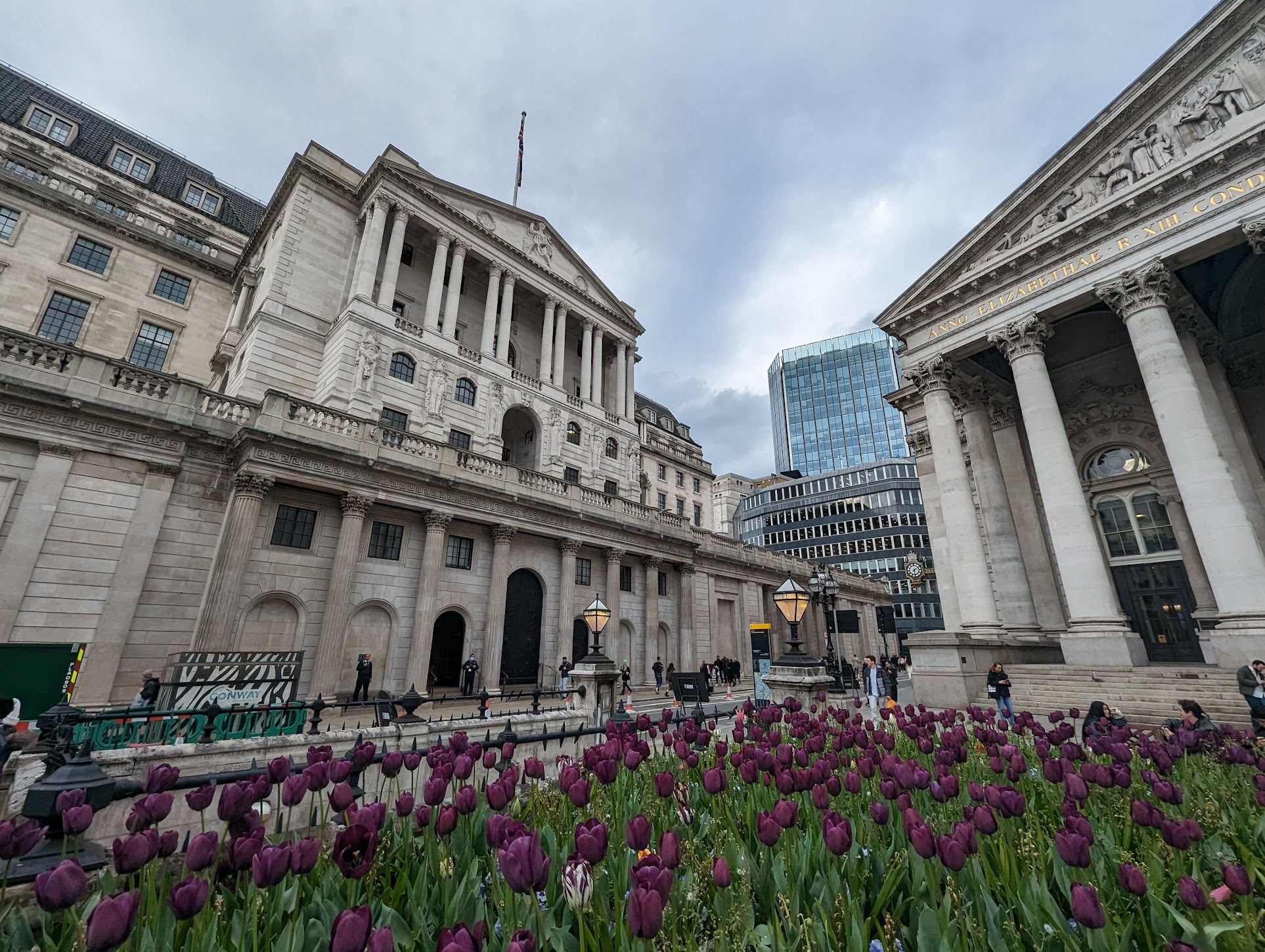
The Bank of England has kept interest rates unchanged.
The Bank of England has held the cost of borrowing at 3.75% as it hardens its position on the impact of hostilities on the economy.
The Monetary Policy Committee (MPC) voted 6-3 to leave rates unchanged, with more members voting for an increase. Last month the vote was 7-2.
There was widespread expectation the interest rate would be held at its lowest level since February 2023, despite falling inflation.
On-off peace talks between the US and Iran has seen oil prices yo-yo between $70 and $100 a barrel since the conflict began at the end of February.
Economic conditions have remained fairly robust. The UK’s economy grew 0.1% in May, marking a slight rebound from a small contraction in April.
Over the three months to May, the Office for National Statistics (ONS) said the economy had grown by 0.7% compared with the previous three-month period.
Felix Feather, Economist, at Aberdeen Group, said: “With the vote split marginally tighter than expected at 6-3, this was a slightly more hawkish Bank of England hold than expected.
“The increase in dissenters suggests concern about inflation risks is spreading within the MPC and increases the chance that rates could move higher if inflation doesn’t continue to moderate.
“But we still see a path to avoiding rate hikes. The BoE’s next full monetary policy report meeting won’t come until November leaving plenty of opportunity for the situation in the Middle East to de-escalate before the MPC’s hand is forced.”
Greig Brown, mortgage director at Aberdein Considine, said: “Today’s decision to hold the Bank Rate will provide a degree of stability for homeowners and prospective borrowers at a time when affordability remains a key consideration.
“While mortgage rates are influenced by wider market expectations rather than the base rate alone, maintaining the current rate should help support confidence and provide some reassurance for those considering their next move.”

Share this article:

Subscribe to our newsletter to not miss articles like this one:
 SUBSCRIBE