
Written by:

Inside the £150M commercial strategy behind Glasgow 2026 Commonwealth Games
 Reading time: 4 minutes
Written by:
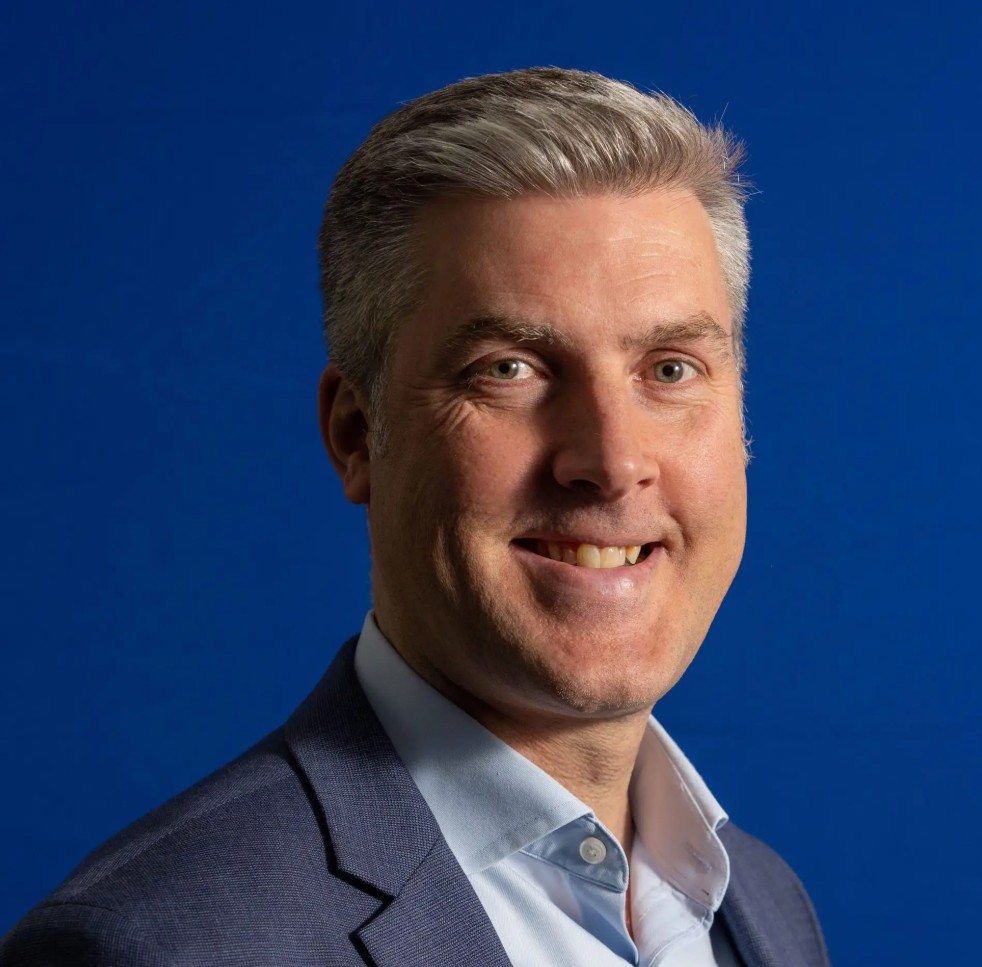
Ian Reid, vice chair at Glasgow 2026 (C) Rutherford Cross
Glasgow 2026 Vice-Chair Ian Reid has opened up about the lean commercial strategy behind the Commonwealth Games that redefined sporting finance and major events.
Mr Reid explained the team had just 18 months to get the competition ready, compared to the standard five to six years usually granted to host cities.
The chartered accountant was already an experienced safe pair of hands in major sporting events having served as the chief financial officer for Glasgow 2014, chief executive at Birmingham 2022, and an advisor to the Cabinet Office on major state events, including the funeral of Queen Elizabeth II and the Coronation of King Charles III.
When Australia pulled out of hosting the 2026 Games due to spiralling costs, Mr Reid and Commonwealth Games Scotland stepped in to engineer a rescue package at the last minute, over fears of tarnishing the legacy left by the 2014 Games.
He revealed that the committee put up £100m from the settlement of the £200m it had received from Australia over its breach of contract to fund the 2026 Games. A further £50 million came from commercial revenue.
Mr Reid revealed in a fireside chat with chief executive Gail Boag at an ICAS event in Glasgow that they had internal discussions suggesting the games could be done on a lean budget of £100m, before setting up strict criteria to analyse its viability and even bringing in an independent panel to decide on the sports that would be played.
The UK Government wanted a security contingency of £5m to cover potential increases in threat levels or emergency security requirements. They put in around £2.5m with Commonwealth Games Australia financing a further £2.5m.
He revealed that the Scottish Government spent £5-6million repairing the track inside the Sir Chris Hoy Velodrome, the swimming pool inside the Tollcross International Swimming Centre and Scotstoun arena ahead of the games, which are now being re-used.
Mr Reid said: “The options were: there’s no games, or there’s a games in Glasgow. We took the decision that we’d rather do less and do it well to a Commonwealth standard, rather than try to do more.
“We treated the games like a start-up. This was a commercially run games. It was much harder because you were genuinely trying to balance it like you would in your day job running a company. But at the same time, we needed to bring money in from ticketing. We’re trying to get the balance and trade-off between accessibility and revenue. It was much harder, I would say from that perspective.
“We were unashamedly focused on Scottish businesses. We brought in £150 million directly, which went straight to local suppliers. Because we were privately funded, we didn’t have to follow rigid public procurement rules and honestly, it was such a joy.
“We said: ignore building expensive new venues, flights of triathlons, or marathons like road races, which are very expensive. Let’s get indoor venues close together to cut transport costs, drop the expensive athletes’ village, and use existing hotel capacity instead.
“The biggest legacy is that we’ve been able to think outside the box. The Federation used to tell host cities exactly what to do and what venues had to look like. They now realise they have to be much more flexible.”
“We’ve demonstrated that a fantastic, high-quality Games can be delivered for £115 million. It proves to future hosts, whether in Asia, Africa, or New Zealand, that you don’t need billions or massive taxpayer underwriting to host a world-class event.”
Mr Reid revealed the fireworks for the closing ceremony were added at the last minute as they realised they had enough left in the contingency, which was safe to spend.
The Commonwealth Games brought 2,700 athletes from 74 countries to compete in 10 sports over 11 days, seeing more than 1,100 medals handed out to competitors.
The streamlined games saw more than 630,000 people engage with the games through its venues, live sites and the 2026 Glasgow Festival. Some 4,000 volunteers gave around 156,000 hours of their time, while its social media channels apparently seeing more than 500 million views.

Share this article:

Subscribe to our newsletter to not miss articles like this one:
 SUBSCRIBE