
Written by:

‘Painful’ losses at Scottish National Investment Bank
 Reading time: 4 minutes
Written by:
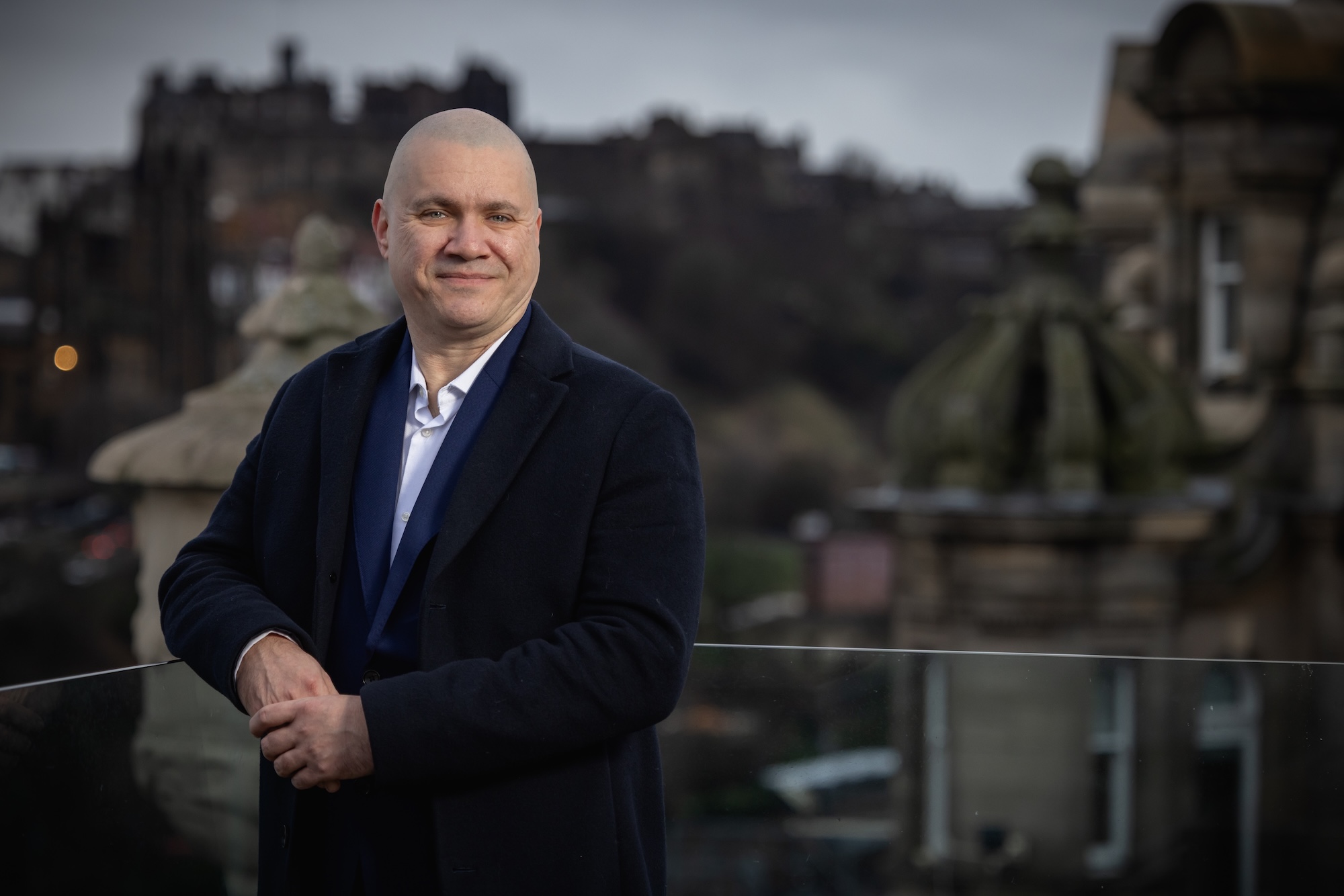
SNIB CEO David Ritchie
The chairman of taxpayer-owned Scottish National Investment Bank has admitted that rocketing losses on the back of more failed investments are “painful” and “not where we want to be”.
New figures show the bank’s loss for the year to the end of March surged by135% to £137.5 million from £58.4m, which has already prompted an internal review of its risk strategy.
The Bank recorded realised losses of £65.1m and an unrealised loss of £84.7m. The realised losses include write-downs and investment losses, including insolvency.
While there is widespread acknowledgement that risk will result in some projects failing, chairman Willie Watt admitted there was a need to tighten the bank’s investment processes.
“At times we will incur significant losses with a young portfolio that is exposed to difficult markets,” he said in today’s annual report. “The realised and unrealised losses we have seen in this financial year reflect that and are not where we want to be.
“While these figures are painful for the Bank, they are particularly so for the businesses which failed and, of course, for their teams. In a tough environment with tighter financial conditions, cautious sentiment and more challenging fundraising and exits, careful risk management and discipline remain central.
“We have learned a lot over the past five years and continue to improve and tighten our investment processes along with stricter criteria for potential investments as set out in our Investment Strategy.”
The year saw the crystallisation of losses on three of the Bank’s portfolio investments: M Squared Lasers, R3 IoT and Trojan Energy. In each case, they were unable to achieve a sustainable turnaround in performance, resulting in company failure.
In addition, Orbital Express Launch – the company behind the failed rocket operation – and PneumoWave entered administration during FY25/26. These will crystallise in FY26/27 so are recorded as unrealised in this year’s accounts.
Alongside these, the Bank, which launched at the end of 2020, has also recorded fair value provisions against a further seven of its investee companies, some of whose value it does not expect to recover.
David Ritchie, who succeeded Al Denholm as chief executive in January on a reduced annual salary of £214,347 against his predecessor’s £240,000, said: “These outcomes are regrettable and disappointing.
“An element of loss, however, is consistent with the mandate we hold, the risk we accept in pursuit of
impact, and the macroeconomic conditions in which we are operating.
“In response to these challenges, we are strengthening our risk framework and portfolio oversight as we grow, ensuring that ambition is underpinned by disciplined delivery.
“We now place greater emphasis on aligned co-investment in opportunities, on skills and expertise within the management team, and on proximity to market.”
Explaining the underlying factors behind the losses, he said: “Performance across a number of investee companies has been impacted by challenging market conditions, including a more constrained fundraising environment, cost inflation and associated supply chain pressures.
“As a result, some businesses have not achieved the milestones originally set out in their business plans at the point of investment, affecting cash flow, delivery timelines and valuation.
“The Bank has increasingly refined its approach to risk to remain consistent with its remit as a development bank, while also reflecting the changing market in which we and our investment partners are operating.”
As announced in July, the bank has shifted towards supporting projects with a firmer trading record and in a broader range of sectors. The full story can be read in our sister publication, Daily Business – editor Terry Murden spoke to Mr Ritchie ahead of the annual report’s publication.

Share this article:

Subscribe to our newsletter to not miss articles like this one:
 SUBSCRIBE