
Written by:

Schiehallion’s SpaceX and Bending Spoons IPOs boost NAV 29.1% despite share discount
 Reading time: 4 minutes
Written by:
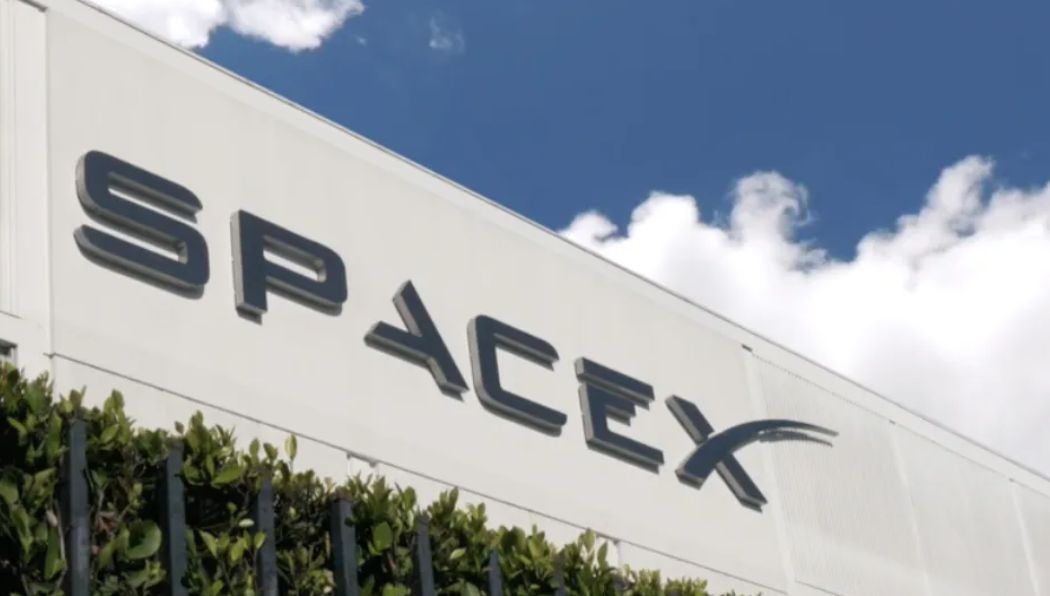
SpaceX helped boost the trust's NAV
Baillie Gifford’s Schiehallion Fund saw its shares move from a small premium to a steep discount to net asset value (NAV) in the six months to July 2026.
Shares at the investment trust, which backs later-stage private growth companies, traded at a discount of 14.4% at the period end, reversing a 0.4% premium at the start of the financial year. The ordinary share NAV returned 29.1% over the six months, while the share price returned 10.1%. Over the past twelve months, NAV returned 55.8% and the share price returned 63.3%.
The trust joined the FTSE 250 in March, following a change in listing segment on the London Stock Exchange in December 2025.
During periods when the shares traded at a premium, the company reissued treasury shares and issued new ordinary shares at a weighted average premium to NAV of 11.3%, raising gross proceeds of approximately $28.4m.
Chair Linda Yueh said the board believed that issuing shares at a premium “benefits existing shareholders by spreading the company’s fixed costs over a larger asset base while ensuring that issuance is accretive to NAV.” As shares moved to a discount later in the period, the trust resumed buybacks, purchasing 650,000 shares into treasury.
Yueh highlighted the successful public listings of the trust’s two largest holdings, SpaceX and Bending Spoons, along with a third portfolio company, Merlin Labs, which went public via a SPAC merger in March. SpaceX was Schiehallion’s first investment, made in 2019 at a $33bn valuation, which the trust said had increased more than 53-fold by the time of the IPO.
Portfolio managers Peter Singlehurst and Robert Natzler said private company fundraising in 2026 had been “extraordinarily concentrated” in AI, noting that OpenAI and Anthropic alone accounted for more than 60% of all US venture dollars in the first half of the year.
The managers said they were “applying a great deal of thought” to the sector given “elevated valuations.”
Yueh also announced that Patrick Firth had been appointed to the board, bringing experience across audit, investment management, governance and financial services.
The trust also announced the appointments of Graeme Proudfoot and Wendy Colquhoun as non-executive directors, effective from 1 September 2026 and 1 October 2026, respectively. Proudfoot brings asset management and investment trust experience, while Colquhoun brings expertise in investment trust governance and financial services regulation.
Trudi Clark and John Mackie will not stand for re-election at the company’s 2027 annual general meeting. Their planned retirements will follow an appropriate period of overlap with the newly appointed directors and will reduce the size of the board accordingly.
Yueh said: “The first half of 2026 marked an encouraging period for later-stage private growth investing. A number of successful public listings, including several from the company’s portfolio, demonstrate that high-quality private businesses are once again finding pathways to the public markets. While market conditions remain selective, these developments are encouraging both for portfolio companies seeking access to capital and for investors in the asset class.
“Against this backdrop, the board believes the company is well placed to benefit from its differentiated portfolio of high-quality growth businesses and from the managers’ disciplined long-term investment approach. While the macroeconomic and geopolitical environment remains uncertain, the board remains confident in the company’s strategy of investing patiently in exceptional private growth companies over the long term.
“Although the company’s shares ended the period at a discount to NAV despite the strong underlying performance, the board believes that long-term shareholder value will continue to be driven by growth in the underlying portfolio. The board will continue to monitor the company’s rating closely and will use the capital management tools available to it where it considers these to be in the best interests of shareholders.”

Share this article:

Subscribe to our newsletter to not miss articles like this one:
 SUBSCRIBE