

And finally… gilt trip
 Reading time: 2 minutes
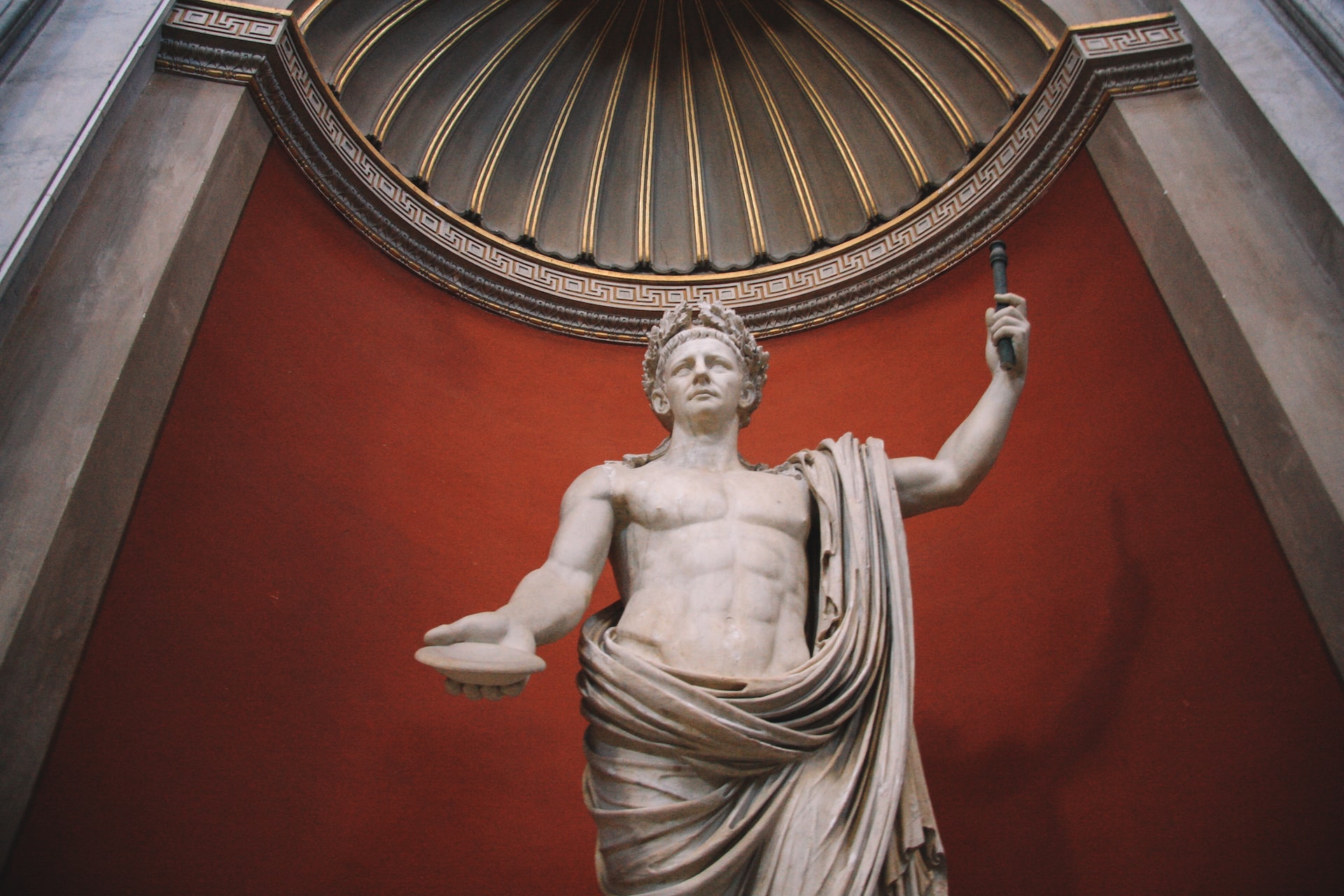
Archaeologists in Lower Saxony have confirmed the discovery of a significant Roman-era hoard near Borsum, comprising 450 silver coins, several silver bars, a single gold coin, and a gold ring.
The recovery of the find, which dates to the early Roman Imperial period, was overseen by Sebastian Messal, a regional department head at the Lower Saxony State Office for Monument Preservation, who noted that the cache ranks among the largest found in the region.
The discovery highlights the complex relationship between amateur exploration and professional archaeology. While metal detecting requires training and permits in Lower Saxony, improper initial digging at the Borsum site damaged the archaeological context – the crucial positioning of items that helps researchers reconstruct the burial. Messal’s team conducted a controlled secondary sweep of the wooded area, recovering additional coins missed during the first extraction and attempting to piece together the history of the deposit, Earth.com reports.
Experts describe the trove as a hoard, a collection of valuables deliberately buried for security during times of unrest. This implies that the owner intended to recover the wealth but was prevented from doing so. The presence of silver bars suggests the conversion of loose metal into transportable currency, a practice common in frontier economies. The single gold coin and ring hint at either high-status ownership or a “piggy bank” style accumulation where prestige items were saved alongside standard tender.
Scientific analysis is now underway to clean the artefacts and examine them for wear, mint marks, and metallurgical composition. Non-destructive testing of the silver alloys will help trace the metal to specific mines, while the coins’ inscriptions will provide a terminus post quem – the earliest possible date the hoard could have been buried. This data is vital for placing the find within the volatile history of northern Germany, where Roman forces and local tribes coexisted uneasily near the Rhine.
The findings may eventually link Borsum to the aftermath of the Varus Battle of 9 AD, offering physical evidence of the movement of people, goods, and power along the empire’s edge. Whether the hoard represents Roman military pay, Germanic tribute, or the hidden savings of a merchant, the ongoing study aims to map these ancient routes and economic decisions with precision.

Share this article:

Subscribe to our newsletter to not miss articles like this one:
 SUBSCRIBE