
BoE under fire as taxpayer bill for unwinding QE hits £125bn
 Reading time: 3 minutes
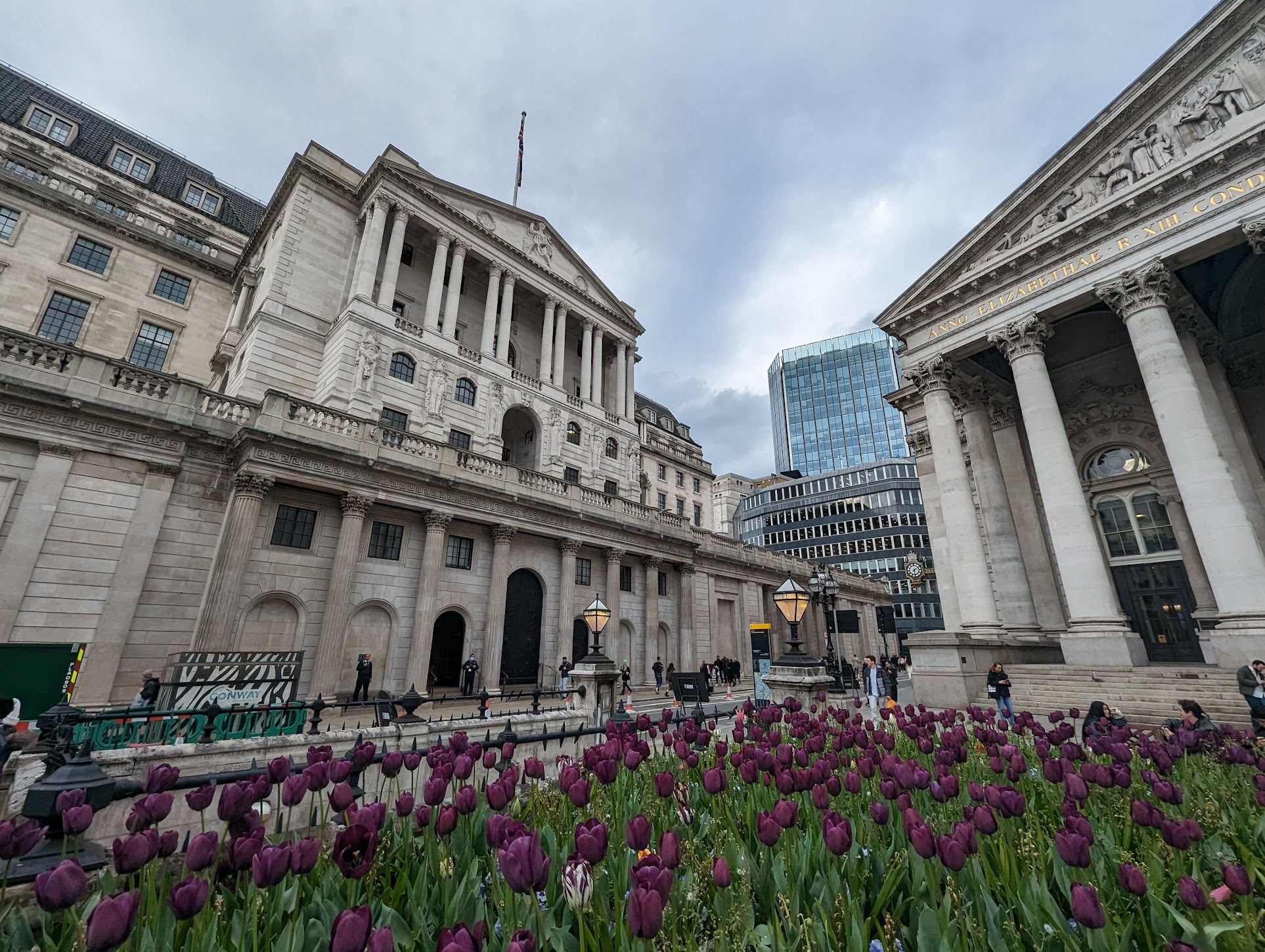
The Bank of England (credit: George Iordanov-Nalbantov)
The Bank of England (BoE) is facing mounting pressure from economists to scale back its quantitative tightening (QT) programme, with critics warning that the costly approach is exacerbating the UK’s borrowing costs and straining public finances at an already precarious moment.
The fresh wave of scrutiny comes after UK sovereign debt was caught up in a sharp sell-off that drove long-term government borrowing costs to their highest level this century. On the same day, BoE officials published a new paper revising upwards their estimate of the total taxpayer cost of unwinding QE to £125 billion.
Under an arrangement struck between the bank and former Chancellor George Osborne, the Treasury, and therefore the taxpayer, is liable for losses generated by the unwinding of the £875bn gilt portfolio the bank accumulated following the 2008 financial crisis.
As yields climb, those losses deepen, since bonds sold before maturity fetch lower prices when interest rates are high. Simon French, chief economist at Panmure Liberum, told City AM that the fiscal consequences are direct – the higher yields rise, the greater the loss incurred when assets are offloaded ahead of maturity, with the Treasury indemnifying the shortfall.
Mr French argued that active QT should be brought to an end, noting that part of the reason UK gilt yields have moved as an international outlier relates to the UK’s distinctive approach.
Henry Cook, chief UK economist at MUFG, took a similar view, suggesting there is a strong case for further reducing the pace of bond sales when the Monetary Policy Committee next reviews the programme in September, regardless of current market conditions.
Carsten Jung, interim associate director for economic policy and AI at the IPPR, went further still, urging the bank to halt active sales entirely on the grounds that they are adding unnecessary pressure to the gilt market.
The UK’s position contrasts sharply with that of its peers. The European Central Bank (ECB) and the Federal Reserve have allowed their bond holdings to roll off passively as they mature, retaining losses on their own balance sheets and absorbing the impact gradually through operational income.
The Fed went further in October, pausing its QT efforts entirely and now rolling over its full portfolio of Treasury holdings.
The market backdrop has intensified the debate. Yields on the 30-year gilt climbed 11 basis points on Tuesday to 5.76%, while the 10-year yield jumped 12 basis points, as political uncertainty and inflation concerns rattled investors. Even so, both Mr French and Mr Cook cautioned against any abrupt policy shift, which could be interpreted as the bank bailing out the Treasury in response to elevated rates.
Cook noted that policymakers would “be wary of any perception that QT decisions are shaped by political considerations”, strengthening the case for steady tapering rather than sudden reversals.
When the BoE’s Monetary Policy Committee met in September 2025, it slowed the overall pace of bond disposals from £100bn a year to £70bn, while raising active sales from £13bn to £21bn.
Senior figures including Governor Andrew Bailey and Deputy Governor Dave Ramsden have downplayed suggestions that active QT is materially raising borrowing costs.
Officials have also pointed out that the bank transferred £124bn to the Treasury between 2009 and 2022 during the QE era, and that because the gilts purchased tended to be longer-dated than those bought by other central banks, a purely passive unwind would take considerably longer to reduce the balance sheet than the equivalent programmes run by the Fed and ECB.

Share this article:

Subscribe to our newsletter to not miss articles like this one:
 SUBSCRIBE