
BrewDog’s debts neared £500m before sale to Tilray
 Reading time: 2 minutes
(Credit: George Iordanov-Nalbantov)
BrewDog fell into administration owing nearly £500 million, with administrators confirming that shares held under its Equity for Punks crowdfunding scheme “essentially have no value”.
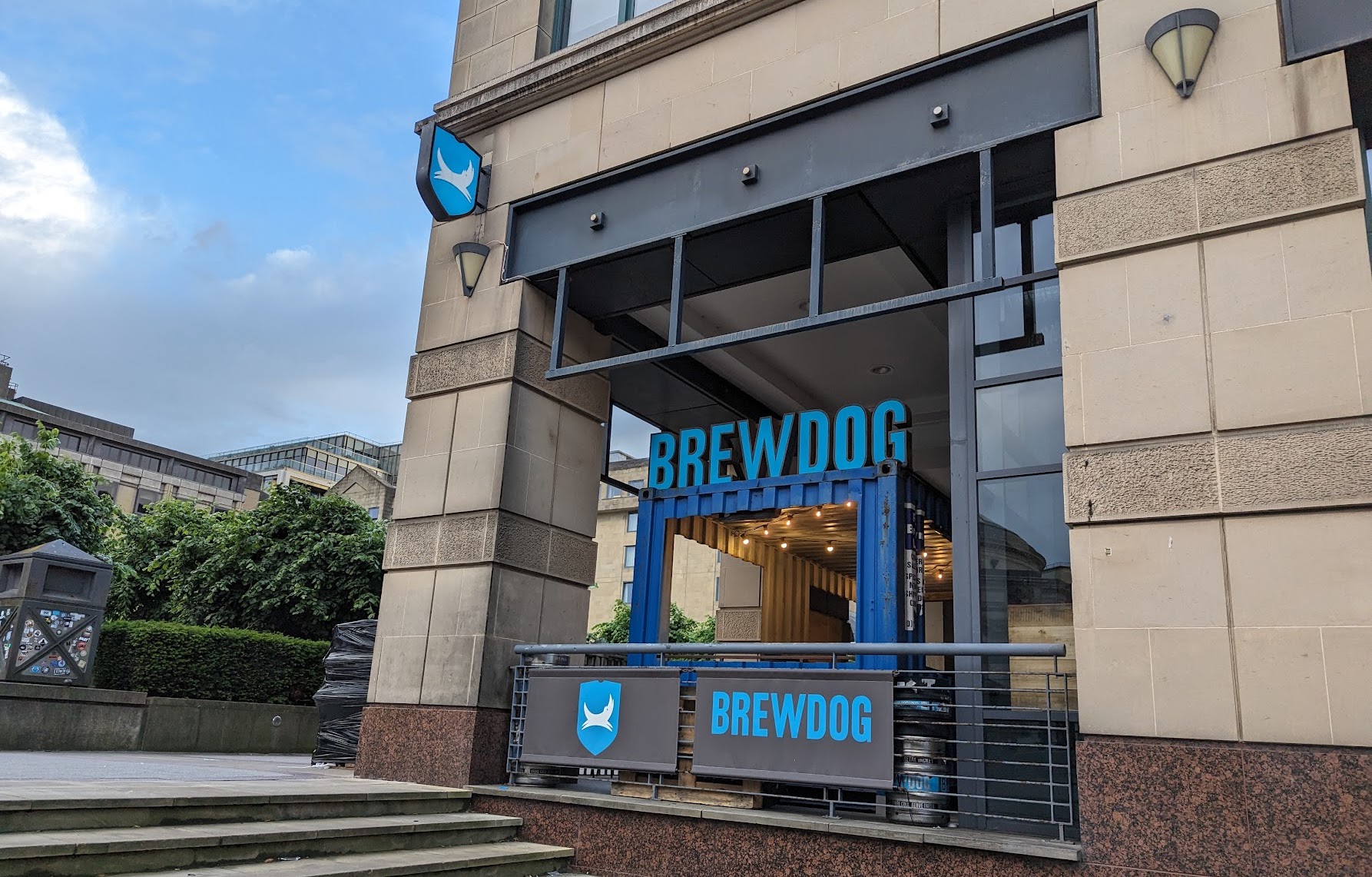
The firm, founded in 2007 by James Watt and Martin Dickie, had grown from a single bar acquired in 2009 to a global estate of 78 venues, anchored by a £7.8m brewery built in Ellon in 2013. Mr Watt stepped down as chief executive in 2024, and Dickie later departed for personal reasons.
Documents from administrator AlixPartners reveal a broad list of around 500 creditors owed a combined £20m in the UK alone, spanning banks, fellow brewers, hospitality businesses, packaging suppliers, delivery companies, holiday parks and sports organisations. Among those owed money are Aberdeenshire Council (£238,252), Glasgow-based Tennent Caledonian (£128,327), Marylebone Cricket Club (£420,000), ARR Craib Transport of Dyce (£1.57m), North Lanarkshire Council (£86,950) and Center Parcs (approximately £7,000).
According to the administrators’ report, the business had been under sustained pressure across the brewing and hospitality sectors. In September 2025, management began evaluating strategic options, leading to a going-concern sales process run by Rothschild & Co from December 2025. Three non-binding offers received in mid-January 2026 were ultimately deemed undeliverable on a solvent basis. With liquidity continuing to deteriorate and no further options available, an accelerated sales process was launched, attracting six indicative bids.
The process concluded with the sale of certain assets to US company Tilray Brands for £33m, which was judged to represent the best available return for creditors.
As part of the transaction, 38 bars were closed with the loss of 484 jobs, whilst brewing operations, 18 franchise bars, 11 pub venues and the BrewDog brand were transferred to Tilray, preserving 733 UK positions. Locations excluded from the sale were shut immediately upon the administrators’ appointment, as there was considered to be no realistic prospect of finding alternative buyers within the necessary timeframe.

Share this article:

Subscribe to our newsletter to not miss articles like this one:
 SUBSCRIBE