
Scottish Government backs Celtic Renewables with £6.2m for Grangemouth expansion
 Reading time: 4 minutes
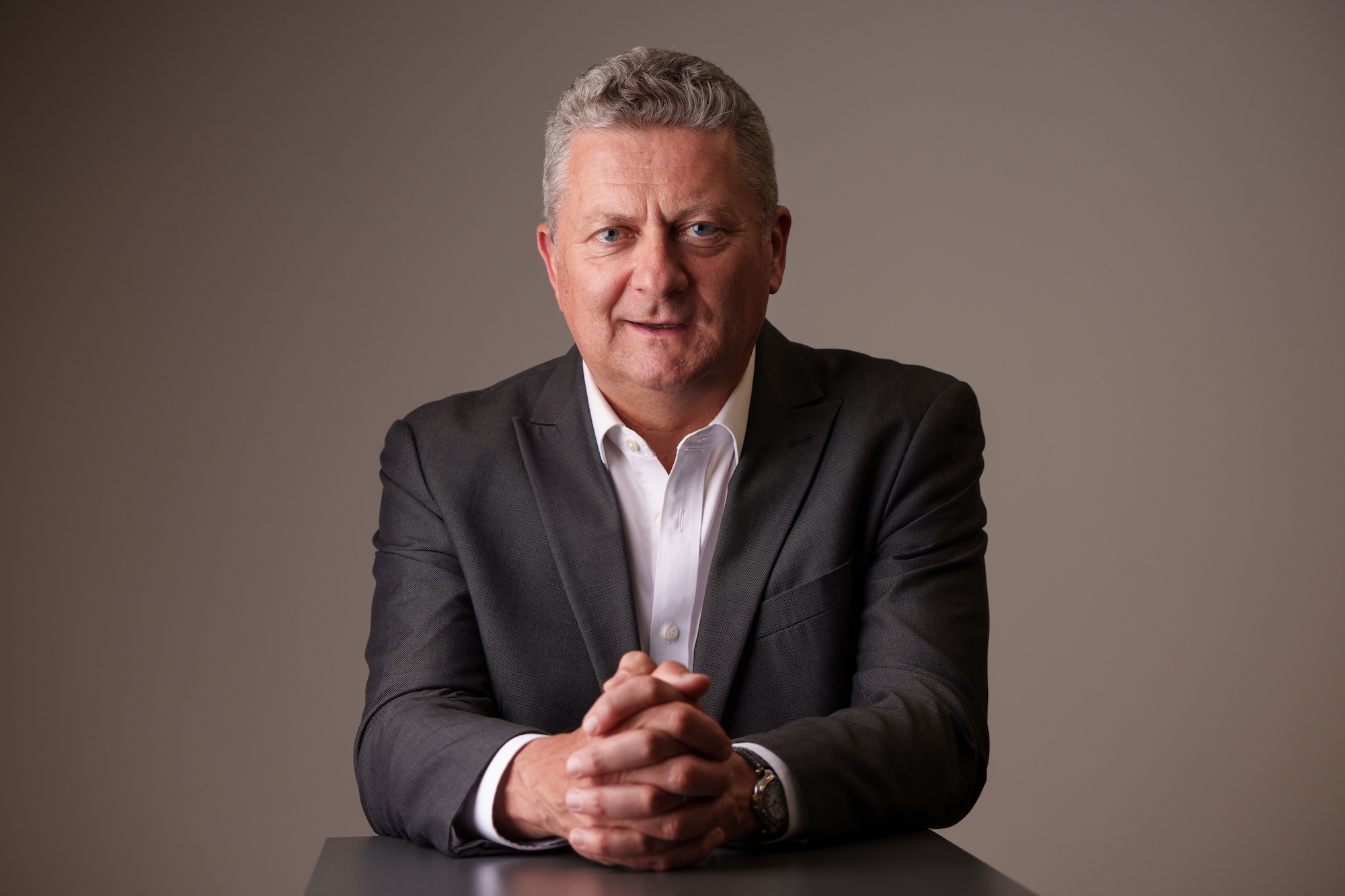
Celtic Renewables CEO Mark Simmers (credit: Celtic Renewables)
Celtic Renewables, the breakthrough Scottish green chemicals firm, has secured £6.23 million in new funding from the Scottish Government to scale its business producing green chemicals made from by-products and waste from the food and drink industry.
Celtic Renewables will put the funding towards the planning and construction of a new £120m industrial-scale biorefinery at Grangemouth. The new facility is expected to create 149 new jobs in Grangemouth by 2030, including highly skilled science, technology and manufacturing roles.
Celtic currently operates a commercial demonstrator biorefinery on a 2.5 acre site at Grangemouth. It uses ABE fermentation to produce bio-acetone, bio-butanol, and bio-ethanol from locally sourced feedstocks including pot ale from whisky distillation and rejected potatoes.
Commenting on the new funding, Celtic Renewables CEO Mark Simmers said: “Celtic Renewables is one of the first companies to receive investment from the Scottish Government to spearhead the establishment of a low-carbon industrial hub in Grangemouth.
“This investment is a landmark moment for green technologies and is a significant recognition of the work Celtic Renewables is doing for Scotland’s green economy and the future of Grangemouth.
“With this support from Scottish Government, we can progress our plans to upscale our production capabilities in a large-scale biorefinery with 10x the capacity of our current facility, creating new green job opportunities, to meet the fast-growing demand for low-carbon, bio-based chemicals.”
The £8.5 million package announced today also includes funding for MiAlgae and CVS Falkirk. Scottish Enterprise will also receive funding to support their efforts to generate future investment in Grangemouth.
All the projects are being supported through the Grangemouth Just Transition Fund and are designed to encourage further investment in the site by demonstrating its long-term potential as a leader in green energy and sustainable manufacturing, and support initiatives that increase the prosperity of those who live and work there.
The announcements come ahead of a statement to the Scottish Parliament by Energy Secretary Gillian Martin on progressing a just transition at Grangemouth.
Ms Martin said: “The Scottish Government will continue to do all that it can to support and promote local opportunities, jobs, and growth in the Grangemouth area.
“Today’s announcement will help to support the creation of up to 460 roles directly and across the supply chain in Scotland and help to highlight the wide range of viable alternatives for Grangemouth. They demonstrate that a long term, new industrial future at Grangemouth is achievable, and will be vital to support the local workforce and community.
“This funding is only the start of the Scottish Government’s support to help safeguard Grangemouth’s role as a leading industrial cluster, and ensure the site continues to support our economy through new, green investment opportunities.”
Since it was founded in 2012 as a spinout from Edinburgh Napier University, Celtic Renewables has secured a total of £75M in private and public funding from a range of sources, including Scottish Enterprise and private investors.
Celtic CEO Mr Simmers explained: “In the 13 years since Celtic Renewables was established, we have proved that green chemical production is operationally and commercially viable.
“We use patented fermentation techniques and processes to produce bio-based chemicals from by-products and waste. These can be used in a broad range of everyday consumer products, including cosmetics, pharmaceuticals and household goods.”
He continued: “There is significant global market for Acetone/Butanol – 13 million tonnes / $15bn p.a. and growing. Forecasted bio-based premium-price demand exceeds 100 thousand tonnes by 2035, equating to 17 industrial-scale Celtic Renewables’ biorefineries.”
Mr Simmers concluded: “More and more people want products that are sustainable and bio-based. Celtic Renewables is showing what it takes in practical terms to create a low-carbon circular economy that ends our dependence on fossil fuels and replaces it with a greener, cleaner, more sustainable way of life.”

Share this article:

Subscribe to our newsletter to not miss articles like this one:
 SUBSCRIBE