
University of Edinburgh: Divorce can cast a long shadow on finances
 Reading time: 4 minutes

People who overlook long-term financial planning during a divorce can face years of financial regret, a University of Edinburgh study has suggested.
Researchers found that short-term thinking at time of divorce can leave some losing out on money from paid employment, occupational pension, access to a partner’s pension or home ownership.
Couples under emotional pressure often look towards a divided split of finances with an emphasis on the family home at the expense of pensions, which can affect finances and choices in later life, experts say.
A lack of planning and advice can leave people with a reduced sense of choice decades after divorce, particularly for women on low pay, who may have taken time out for caring responsibilities or may not have a pension, the study found.
Researchers say the study could help guide targeted policy interventions that give people the time and support to make informed choices when separating.
The study is among the first to assess how divorce affects work and retirement later in life.
A University of Edinburgh team assessed a dataset of 47 people aged over 50 from the UK who had experienced divorce or separation.
The participants – who were employed in the sectors of health care, transport and financial services – were surveyed and interviewed on employment history, health, family circumstances and unpaid caring responsibilities throughout their lifecourse.
In most cases the financial decision-making during divorce involved a trade-off between home and pension with the non-main earner retaining the home asset (generally the woman) and the highest earner retaining the pension asset (generally the man), the study showed
Several divorced care-givers described efforts to stay in the family home to maintain a sense of stability for children. It often took those who moved out of the family home a long time to own another home, if at all.
Some people had inadequate pension savings by the time they reached later working-life owing to career interruptions, reducing both earnings and pension growth.
Others were financially compelled to work for longer than they would otherwise have chosen, because their financial priority after divorce was their home – rather than a pension pot.
Some participants highlighted the strain of funding two households, mortgages, child maintenance and everyday living costs, during and after the divorce, but a pension from sustained full-time employment could ensure financial stability in the long-term, the researchers say.
Other factors which influenced outcomes from divorce were educational attainment, work history and income.
Researchers say increasing awareness of the value of household and individual assets could help couples assess the balance between home equity and retirement savings as life circumstances change.
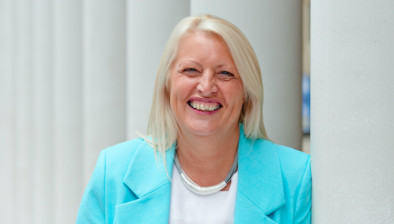
Dr Belinda Steffan, of the University of Edinburgh Business School and co-lead of the research, said: “Immediate wellbeing and security can be given priority at the time of divorce – particularly if children are involved – leading to short-term decisions that can be at the expense of future financial wellbeing.
“Some people’s financial situations can be more precarious if they had planned to rely on their partners pension, had insufficiently planned for retirement and not envisaged divorce. This precarity tended to affect women more than men, but men also felt the long shadow of divorce due to emotional decision-making at time of divorce.”
Ensuring that both partners are aware of the value of marital assets, regardless of who has legal title or accumulated these assets could help address any imbalance from favouring the main earner versus the partner picking up more care giving and domestic responsibilities, the researchers say.
Professor Wendy Loretto, of the University of Edinburgh Business School, said: “The UK’s ageing population means that the number of working-age adults supporting the broader population will continue to decrease.
“Understanding factors that influence extended working lives continues to have important societal, employment and policy implications. Divorce can reduce choice around work in later life, potentially leading to a delayed, under-funded and precarious retirement.”
The study is published in Ageing and Society. It was funded by the European Union Horizon 2020 research and innovation programme, with additional support from the LIVES Centre at the University of Lausanne in Switzerland.
The study is part of a five-country project investigating how inequalities between people over their lives affect later-life employment and retirement. The international project looks at inequalities in people aged over 50 in the UK, Czechia, Ireland, Sweden and Switzerland.

Share this article:

Subscribe to our newsletter to not miss articles like this one:
 SUBSCRIBE