
Expanded Just Transition Fund reopens with £17m boost
 Reading time: 4 minutes

Gillian Martin
The Scottish Government has reopened the Just Transition Fund (JTF) with a fresh injection of £17 million, aimed at bolstering green employment and supporting communities across the North East and Moray.
For the first time community organisations and social enterprises will be amongst a range of organisations eligible to apply for a guaranteed share from the JTF.
The fund will also include new development grants to help groups strengthen or scale up emerging project ideas and will include:
- up to £3m capital and £1m resource for community and social enterprise projects – including specific funding to give communities the power to directly decide how money should be spent
- up to £10m for large‑scale commercial projects focused on jobs, skills and economic transition – with a minimum project size of £500,000
- up to £3m to support small and medium enterprises in the oil and gas supply chain diversifying into low‑carbon markets – expanding the provision of the ETZ Supply Chain Challenge Fund
The JTF has invested more than £85m into 28 projects across the region since 2022 – helping to support hundreds of jobs and companies entering the offshore wind, marine energy and carbon capture sectors.
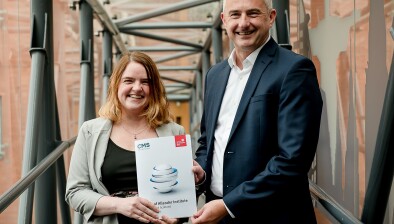
Climate Action and Energy Secretary Gillian Martin announced the latest round of JTF funding during a site visit to Verlume LTD, a global leader in subsea batteries and power management systems. The organisation received £2.5m in the 2025-26 round of the JTF to deliver a fully functional prototype of the world’s first subsea grid-forming battery system.
Ms Martin said: “Since 2022, the Just Transition Fund has supported hundreds of jobs with more than £85m investment into 28 projects across the North East and Moray. It is just one of the strands of Scottish Government support for the region.
“This year, we’re making important changes to the funding available based on advice from the Just Transition Commission and the Just Transition Lab. For the first time, community groups and social enterprises will be guaranteed support for larger projects, alongside our continued backing of the Participatory Budgeting Fund which gives communities the power to directly decide how money should be spent in their areas to help address specific local needs.
“We’re also helping communities get ready for future funding by offering development grants. These will support groups who may not otherwise be able to benefit to build the skills and confidence they need to plan and apply for bigger projects in the years ahead.
“We’re also continuing to help the energy sector shift and grow, including funding to support businesses in the supply chain as they adapt. All of this means we can offer wider support to local organisations while creating new jobs and fresh opportunities for people across the North East.
“It’s vital that Scotland’s expertise, innovation, and huge renewable energy potential not only help the planet, but also ensure a fair and inclusive transition for everyone in the North East of Scotland.”
Verlume CEO Richard Knox said: “Support from the Just Transition Fund has been transformational for Verlume, enabling the development of the world’s first grid-forming subsea battery co-located with offshore wind.
“This project addresses one of the most pressing challenges facing renewable energy today, grid stability and wind curtailment, while demonstrating how offshore oil and gas expertise can be redeployed directly into the clean energy system.
“Beyond accelerating innovation, the Fund has helped secure and create high-value jobs while allowing us to extensively utilise Scottish suppliers across fabrication, engineering and specialist services, ensuring that the economic value of this project is distributed across the North East Scotland supply chain, not just concentrated within a single company.”
University of Aberdeen Just Transition Lab, Professor Tavis Potts and Professor John Bone, said: “The research from the Just Transition Lab has shown that communities need to be at the centre of the transition to the low carbon economy.
“In ‘Time to Deliver’ and ‘Regional Planning for a Just Transition’ we called for a more transparent approach and a more generous and consistent funding stream, with more emphasis on capacity building.
“The Scottish Government has listened. The ringfenced funding for community and social enterprise projects, including capital and resource costs, is a major improvement and addresses a key shortcoming in previous rounds. The commitment to capacity building ensures that this can support Northeast communities at all stages, fundamental for sharing the benefits of the transition.”

Share this article:

Subscribe to our newsletter to not miss articles like this one:
 SUBSCRIBE