
FSB: Next Scottish Government must back the people who make Scotland work
 Reading time: 5 minutes
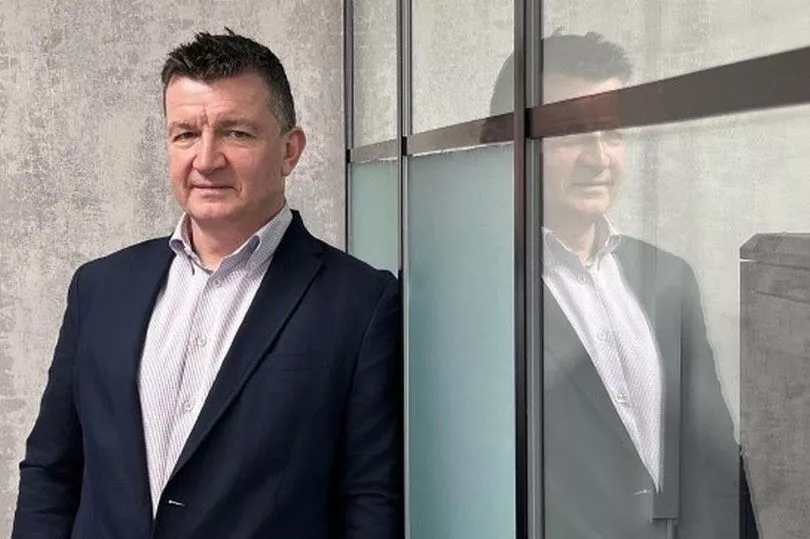
Guy Hinks
Scotland’s small businesses are calling for a fresh focus on the day to day needs of the country’s 350,000-plus small enterprises from whoever forms the next Scottish Government.
The Federation of Small Businesses (FSB) today highlighted the mounting pressures on small and micro firms as political parties prepare for the 2026 Scottish Parliamentary elections.
Small businesses account for more than 98% of Scotland’s private sector companies, employ over 940,000 people and generate £98 billion in annual turnover – yet many continue to face rising costs and a growing tax and regulatory burden.
FSB Scotland is calling on the next Scottish Government to commit to a renewed focus on backing the country’s small businesses, including:
- Maintaining the “lifeline” Small Business Bonus Scheme (SBBS),
- Mandatory full Business and Regulatory Impact Assessments (BRIAs) to tackle the growing regulatory burden,
- Procurement reforms to remove barriers to small firms bidding for a share of the £16bn-plus in public contracts awarded in Scotland each year.
Guy Hinks, chair of FSB Scotland, said: “Small businesses are not asking for special treatment – they are asking for a system that recognises their collective scale and contribution, as well as the reality of trading on Scotland’s high streets. Business rates reform, for example, is now unavoidable if we want to protect jobs, town centres and local economies.
“Small businesses owners are the people who make Scotland work, creating local jobs and driving economic growth. Yet, such are the pressures on them, a third expect their business to shrink or close in the next 12 months. That is something that should worry us all.
“What we are calling for is a renewed focus on what these everyday businesses need to thrive – and for reforms to ensure they can continue to invest, employ and serve their communities.
”We are not talking about faceless company directors or absentee owners. Small business owners are among the hardest working people in the country. They are people we would all recognise – the mechanic who fixes your car, the childminder who looks after your children, the florist and shoe repairer on your local high street.”
The SBBS is widely regarded by small firms as one of the most effective economic interventions since devolution. Many business owners describe the scheme as a “lifeline”, enabling them to retain premises, invest locally and employ staff.
Following the most recent non-domestic rates revaluation, some small businesses have received notice of increases in their rateable values of up to 400%. FSB Scotland warns that unless eligibility thresholds for the SBBS are urgently revisited, the scheme risks failing to protect the very firms it was designed to support – particularly in comparison with other parts of the UK.
The organisation is also calling for reform of the administration of the non-domestic rates system itself. Scotland currently operates with 14 separate assessors and valuation rolls, creating inconsistency, complexity and a lack of transparency.
Alongside rates reform, FSB Scotland is urging the next government to mandate proper Business and Regulatory Impact Assessments (BRIAs) for all new policies and regulations. Its latest survey shows that 14% of small businesses now spend more than a full working day each week on regulatory paperwork, adding to costs and limiting time for growth and investment.
FSB Scotland says these pressures are being felt acutely in town centres and high streets, where small businesses play a critical role in sustaining local economies and communities. More than two fifths of small firms operate in or near a town centre, yet over half report a negative view of the area they trade in, citing empty units, rising rents, non-domestic rates, poor infrastructure and local governance issues.
The business group argues that reform of business rates, procurement and local decision‑making would go a long way towards supporting town centre regeneration. It is also calling for a review of Business Improvement Districts (BIDs), noting that current legislation is now 20 years old and does not always deliver clear value or adequate representation for smaller firms.
FSB Scotland also highlights the wider role small businesses play in supporting Scotland’s long‑term economic ambitions. While many firms want to do more to address skills shortages, financial barriers mean three quarters have never employed an apprentice. The organisation is calling for targeted financial incentives to help small employers take on apprentices.
Similarly, while many small businesses are already taking steps to reduce emissions, awareness and engagement with government‑funded net zero support remains low. FSB Scotland says future policy must focus more clearly on practical support and economic opportunity for small firms.
Mr Hinks added: “As parties set out their platforms for the next Scottish Parliament, FSB Scotland is calling for a renewed focus on the everyday businesses that underpin Scotland’s economy — and for reforms that ensure small firms can continue to invest, employ and serve their communities.”

Share this article:

Subscribe to our newsletter to not miss articles like this one:
 SUBSCRIBE