
Written by:

John Swinney pledges to advance £1.5 billion bonds to attract private investment
 Reading time: 3 minutes
Written by:
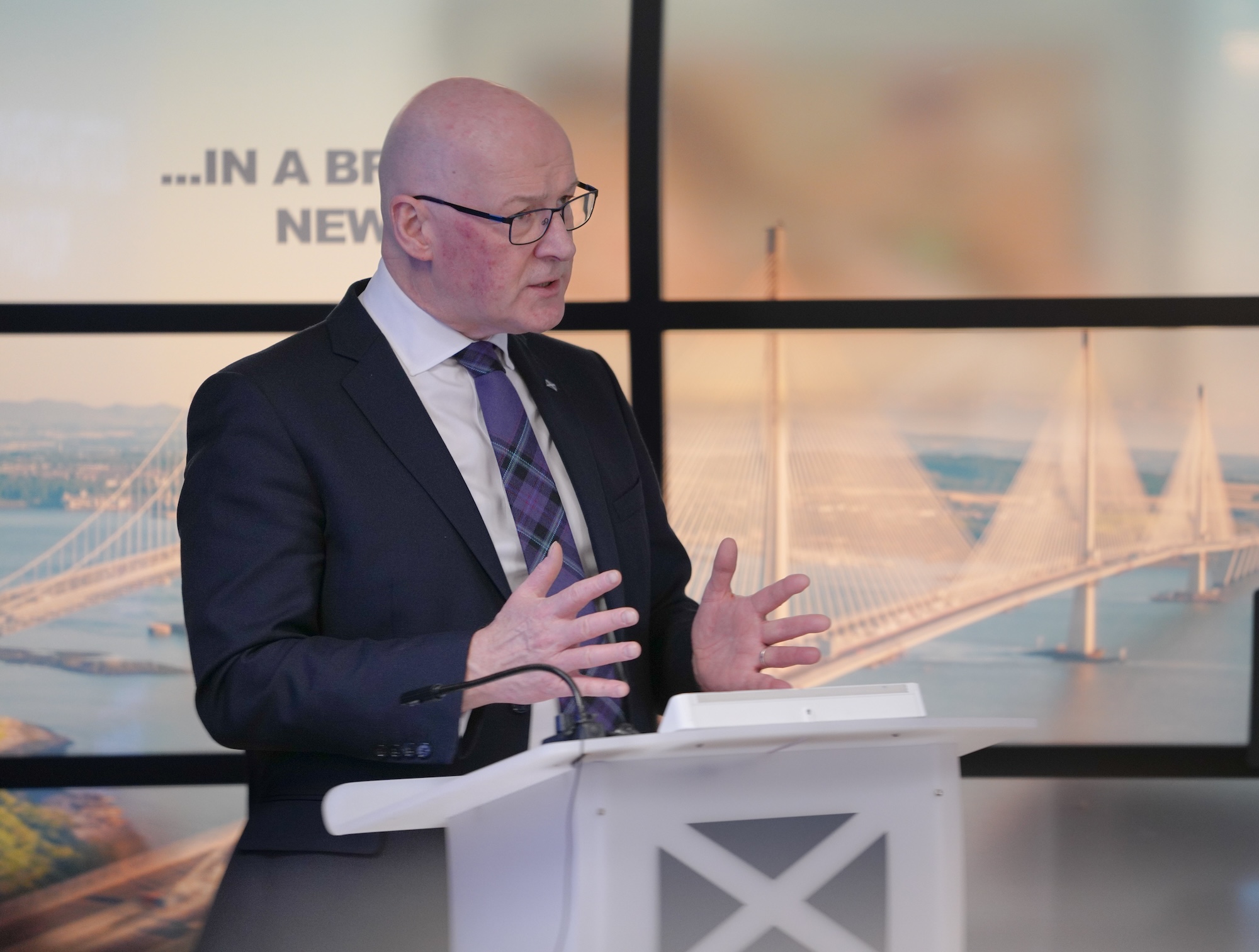
First Minister John Swinney
John Swinney has promised to advance the Scottish Government’s £1.5 billion bond plans, nicknamed ‘kilts’, to help attract new investment into Scotland, as he unveiled his programme for government.
The First Minister pledged to “deliver the investment needed to achieve Scotland’s economic growth ambitions across the country” and bring in private capital to help Scottish innovation over the next five years.
Scottish Government ministers are hoping the bonds will help diversify capital funding sources and support long-term infrastructure investment. Mr Swinney also promised to increase “private capital investment by accelerating and coordinating strategic projects, engaging with investors, including pension funds, and championing Scotland’s strengths on the global stage”.
The First Minister also hopes it will foster a “fair, transparent financial system that delivers sustainable economic prosperity for Scotland” as well as promoting strategic alignment across public and private institutions and investment behind a “shared mission to support innovation, high-growth businesses, scale-up activity and strategic infrastructure investment.”
However, charity the Institute for Public Policy Research Scotland warned that the proposed bond programme will come at a cost to taxpayers during a time of “constrained public finances.”
Stephen Boyd, director of IPPR Scotland, said: “Issuing debt through the relatively expensive bond programme should help build the Scottish Government’s capacity to engage effectively with the financial sector. However, doing so will inevitably raise eyebrows at this time of constrained public finances. Ministers have failed to set out a compelling rationale for issuing bonds when cheaper options are available.”
The Scottish Government is also hoping to build strong relationships with “key investors” to secure more private investment in strategic sectors, including housing and energy.
Mr Swinney also pledged to develop the national project pipeline and Invest Scotland portal to present opportunities and work with the Scottish National Investment Bank (SNIB) to launch a new Scottish Innovation Fund, with a focus on university spinouts working with “leading universities to leverage private capital and working across the public sector to ensure strong wrap-around support.”
Ministers also promised to implement the recommendations of the five-year review of the SNIB and begin “operating a new Major Projects Office to accelerate progress on nationally and strategically significant investment and private capital projects, unblocking barriers to project delivery and unlocking private investment across strategic sectors, including housing and energy.”
Sandy Begbie, chief executive at Scottish Financial Enterprise, said: “Before this year’s election, we raised the need for this to be a government for growth, investment, and skills. As part of this, we called for a simplification of tax policy, for the Scottish Government to be more open to private capital, and for reform of the public sector.
“The programme for government announced today represents a step in the right direction on public sector reform, but the government will need to show decisive leadership and a willingness to make tough decisions in order to help deliver the growth our economy needs. As we have said many times before, you cannot tax and regulate your way to economic growth.
“Of course, businesses instinctively understand and can sympathise with the fiscal constraints facing the government, but there is also a need for long-term strategic thinking that will deliver certainty and opportunity for both taxpayers and business. While we welcome the long-term view that this five-year programme for government brings, this should also be reflected in the budget. Now is not the time to be coy, but for bold action to improve the lives of everyone in Scotland.”

Share this article:

Subscribe to our newsletter to not miss articles like this one:
 SUBSCRIBE