Regulators offer firms clearer path on tokenisation and DLT
 Reading time: 3 minutes
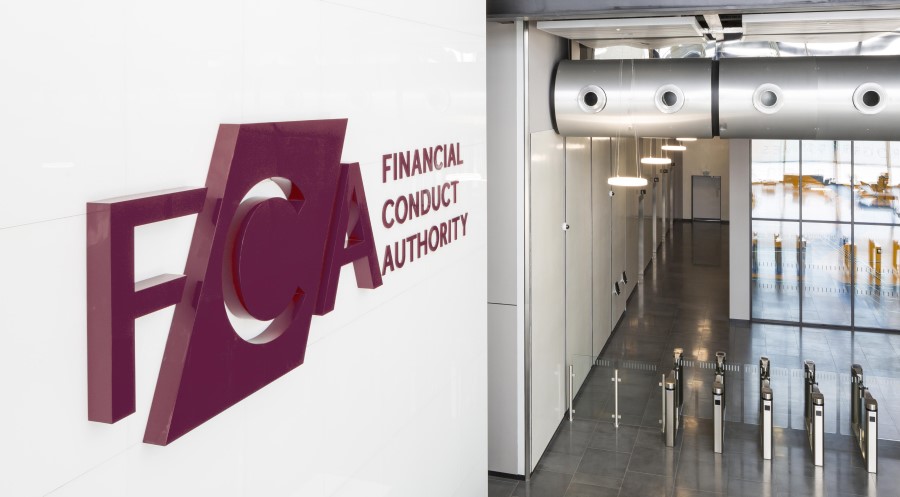
UK financial firms can now move forward with tokenisation and distributed ledger technology (DLT) with greater confidence, following a joint announcement from the Financial Conduct Authority (FCA) and the Bank of England setting out a shared vision for the future of wholesale markets.
Tokenisation, the process of creating a digital representation of a real-world asset such as a share, bond or unit of currency on a digital ledger, has the potential to streamline wholesale markets. The technology could make issuing securities and managing assets faster and more efficient, supporting market resilience while lowering costs.
Responding to industry calls for greater regulatory certainty, the two authorities have clarified their approach in key areas including prudential treatment, tokenised collateral and settlement instruments. They have also launched a discussion on the principles that could underpin regulation and infrastructure as the technology develops.
Simon Walls, executive director of markets at the FCA, said tokenisation had the potential to transform how assets are issued, traded and settled.
He said: “We want to support firms in adopting this technology to lower costs, reduce risk and unlock new services, and our partnership with the Bank of England will ensure a common approach across all parts of wholesale markets.
“Today we are setting out the principles of a shared long-term vision to give industry the clarity it needs to engage, invest and innovate with confidence. UK markets have always embraced new technology, and that will be central to ensuring the UK remains at the forefront of global wholesale markets.”
Sarah Breeden, deputy governor for financial stability at the Bank of England, said: “The Bank and FCA have done a huge amount to enable the responsible adoption of tokenisation in retail and wholesale finance in the UK, working with the government and the industry.
“The task now is for public and private sectors together to build on these strong foundations, moving from pilots to production to support financial stability and sustainable growth.”
The FCA and the Bank of England are seeking industry views on where existing rules and infrastructure support or constrain the safe use of this technology. Feedback will help shape future work and inform the next steps of developing a joint roadmap for digital wholesale markets.
Alongside the announcement, the Bank of England has published a consultation on extending RTGS and CHAPS settlement hours, with a staged approach towards near 24/7 settlement that will include weekend and extended daily operating hours. The move is designed to support cross-border payments and emerging settlement models as tokenisation grows.
The Prudential Regulation Authority has issued Dear CEO letters updating guidance on the prudential treatment of tokenised asset exposures, as well as on innovations in deposits, e-money and stablecoins, reaffirming expectations on risk management and compliance.
The FCA has also committed to further work supporting tokenisation, including a review of how its client asset (CASS) rules may evolve in response to industry feedback. The regulator recently published its policy statement on progressing fund tokenisation.

Share this article:

Subscribe to our newsletter to not miss articles like this one:
 SUBSCRIBE