
RSM: Government support needed to stimulate Scotland’s rural hotels
 Reading time: 4 minutes

Katie Morrison
Scottish hotel occupancy and gross operating profits ticked up in March, according to RSM UK’s Hotel Tracker.
However, firm warns that, while larger chains and luxury city hotels remain buoyant, some smaller, more rural hotels are known to be struggling, and could be further impacted by disruption to tourism caused by the Middle East conflict.
The data, which is compiled and produced by Hotstats and analysed by RSM UK, shows that overall Scottish hotel occupancy rose slightly from 73.8% to 74.7% in March year-on-year, above the UK-wide average, which remained fairly static, from 73.2% to 73.6%.
Gross operating profits in Scotland also rose from 23.2% in March 2025 to 25.6% in March 2026, while overall UK profits fell from 30.1% to 29.5% year-on-year.
Average daily rates (ADR) of occupied rooms in Scotland rose from £107.21 to £116.08 in March year-on-year, compared to an increase from £132.25 to £136.78 in the UK. Revenue per available room (RevPAR) also increased from £79.15 to £86.70 in Scotland, and from £96.75 to £100.65 in the UK.
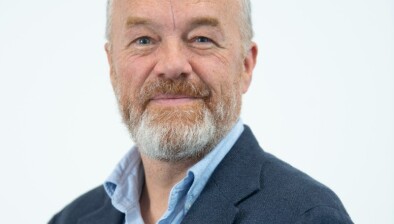
Katie Morrison, partner and head of consumer markets at RSM in Scotland, said: “While the latest headline figures indicate a positive March overall for Scotland’s hotel sector, we are aware the experiences of individual businesses suggest a more varied picture, with the successes of larger, luxury hotels in tourist hotspots such of Edinburgh compensating for the experiences of smaller, independent or more rural businesses in the region.
“With the long-term pressures caused by the Middle East conflict challenging the hotel sector UK-wide, many Scottish hoteliers have turned their attention towards the recent election, and promises made to support sector growth in the region.
“This is evident in the open letter to the next Members of Scottish Parliament (MSPs), published by Scottish Tourism Alliance (STA), calling for the next parliament to provide clear and practical support to hospitality businesses via measures such as accelerating business rate reforms and long-term investment for the sector.
“In its election manifesto, the Scottish National Party (SNP) pledged to recognise growing concerns from hospitality businesses around non-domestic property rates, commissioning an independent review to report by the end of 2026.
“While this may provide some reassurance for the industry, it remains to be seen whether any recommendations can be implemented in time to provide much-needed relief to struggling businesses.”
Mr Morrison continued: “As we head into summer, a lot of uncertainty remains about how the ongoing Iran conflict will impact international travel, and the impact this will have on Scottish tourism.
“Concerns over fuel shortages and flight disruptions may deter tourists visiting from overseas. However, it could also mean some UK tourists opt for a ‘staycation’ rather than travelling abroad, which may encourage some visitors to Scotland.
“Measures to incentivise and support tourism across Scotland would therefore be highly beneficial, particularly for the hotels and businesses feeling the pinch of increased cost pressures.
“The SNP’s promise to invest in rural tourism, including improved transport links and infrastructure, could go a long way to supporting hotels and facilitating the longer-term growth of the sector, as it continues to navigate a challenging and uncertain economic backdrop.”
Commenting on the UK-wide picture, Thomas Pugh, chief economist at RSM UK, added: “It is now inevitable that the UK will be faced with another bout of stagflation.
“Higher fuel costs, energy bills and food prices later in the year will push inflation to a peak of around 4%. At the same time, the hit to the economy will grow as fuel prices eat into disposable incomes and the labour market weakens further. We have already seen a drop in consumer confidence.
“Admittedly, consumers are entering the crisis with a high savings ratio meaning there is scope to save a bit less to offset the hit from higher inflation. However, the longer the crisis goes on for, the more likely households are to curtail discretionary spending.
“The good news is that inflation probably won’t peak until near to the end of the year meaning that the critical summer months for hotels may not be impacted as much, but the squeeze on disposable incomes may hit future bookings harder.”

Share this article:

Subscribe to our newsletter to not miss articles like this one:
 SUBSCRIBE