

RSM: Scottish hotel sector proves buoyant as luxury market drives growth
 Reading time: 4 minutes
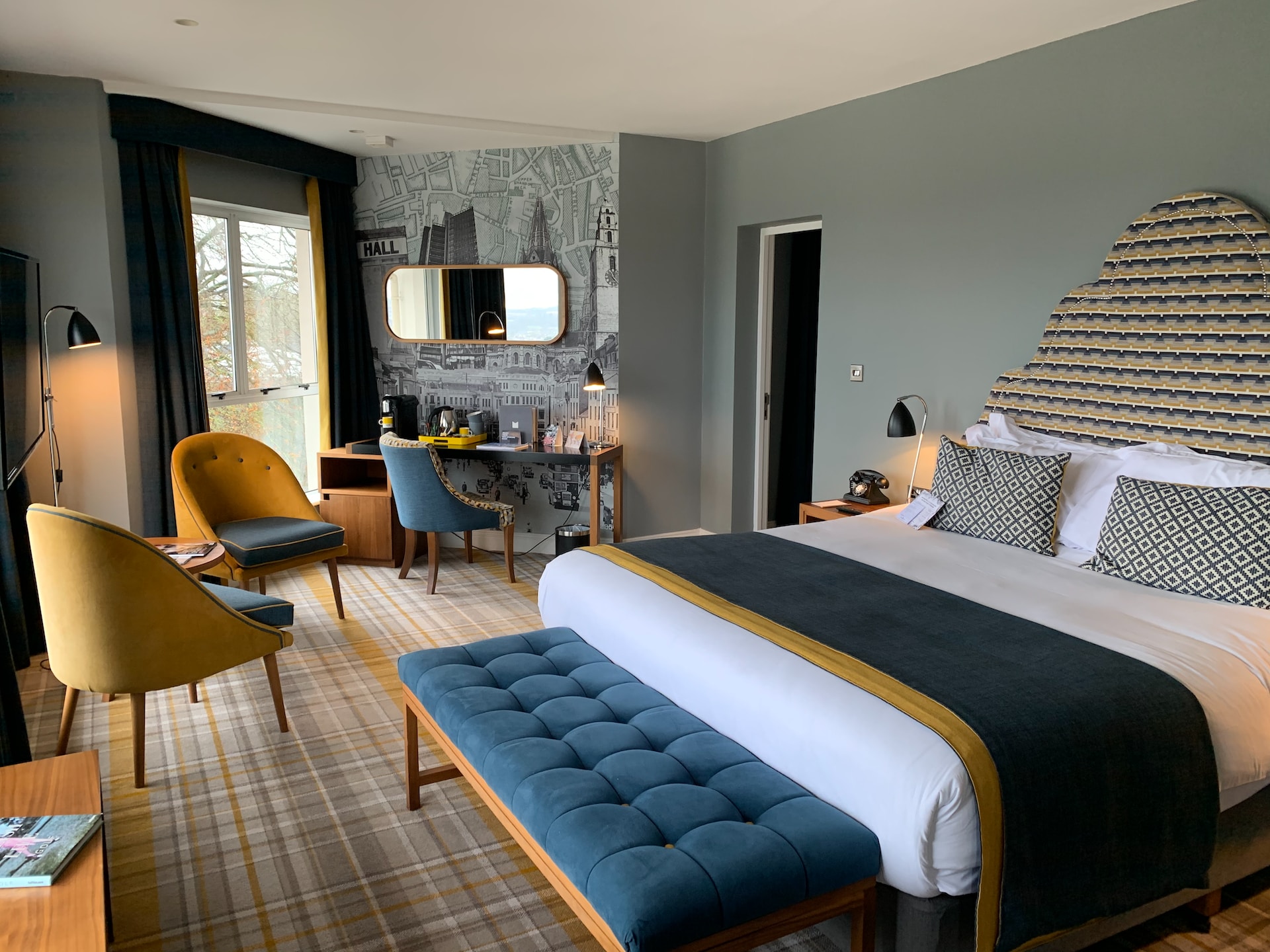
Scottish hotel occupancy and gross operating profits continued their upward trajectory in April, according to RSM UK’s Hotel Tracker.
The data, which is compiled and produced by Hotstats and analysed by RSM UK, shows that Scottish hotel occupancy rose from 77.2% in April 2025 to 79.9% in April 2026. This is above the UK-wide average, which increased from 75.7% to 76.2%, with occupancy of London hotels falling in April year-on-year from 78.9% to 77.4%.
Average daily rates (ADR) of occupied rooms in Scotland rose from £126.10 to £136.43 in April year-on-year, compared to an increase from £137.77 to £140.24 in the UK. Revenue per available room (RevPAR) also increased from £97.39 to £108.94 in Scotland, and from £104.36 to £106.88 in the UK.
Gross operating profits in Scotland also rose year-on-year in April from 31.3% to 32.9%. In the same period, overall UK profits fell from 29.8% to 29.6%.
Katie Morrison, partner and head of consumer markets at RSM in Scotland, said: “The Scottish hotel sector shows continued resilience amid a challenging and uncertain economic backdrop.
“As tensions continue in the Middle East, disrupting overseas travel, the appetite for Scotland as a tourist destination remains steady, with domestic travel bookings offering a welcome boost to hotels across the region.
“These latest figures suggest that Scotland remains somewhat sheltered from the challenges hitting the London hotel market, where both hotel occupancy and gross operating profits have dipped since the onset of the Middle East conflict. This could partly be due to the overall lower prices of Scottish hotels, making them a more appealing getaway option amid a cost-of-living squeeze as well as the fact that London has historically seen a greater number of tourists from the Middle East, making it more susceptible to the impact of the geopolitical tensions on international travel.
“The luxury market in Scotland shows strength, bolstered by a growing trend of tourists taking shorter but more expensive and experience-driven breaks. This offers a strong investment opportunity for hotels across the region looking to tap into this market and capitalise on a growing demand for high-end getaways.”

Katie Morrison
Ms Morrison continued: “There are still significant challenges ahead for the Scottish hotel sector, including profitability and domestic demand challenges amid heightened cost-of-living pressures.
“High staff and energy costs, paired with economic uncertainty due to ongoing geopolitical tensions knocking investor confidence, could form significant barriers to future growth efforts, with some smaller and independent operators already closing due to the strain.
“However, for the businesses that can weather these increased headwinds, there is opportunity to benefit from increasing demand due to consolidation in the market.
“Looking ahead, the outlook for Scottish hotels shows promise as we move into the summer months. While the risk of geopolitical disruption remains, the upcoming arrival of the Commonwealth Games in Glasgow, and the Edinburgh Fringe Festival are expected to provide a welcome boost to hotels in the region.”
Commenting on the UK-wide picture, Thomas Pugh, chief economist at RSM UK, added: “It is now inevitable that 2026 will be a tougher year for consumer-facing firms.
“Fuel prices have already surged and Ofgem have confirmed that the energy price cap will jump 13% next month, which will push inflation back to 3.5%. At the same time, pay growth is slowing, especially in the private sector. The result is that real wages will stagnate in the latter half of this year.
“Consumer confidence has held up slightly better than we thought it would so far and households are entering the shock with a high savings ratio, which means there is scope to offset the hit to real incomes on spending by saving less. However, the longer the crisis goes on for, the more likely it is that consumers start paring back discretionary spending.
“Fortunately, we think that hotels will still hold up well during the crucial summer months. Inflation is unlikely to peak until Q4, and we estimate that it takes roughly nine months for a rise in jet fuel to materially push up airfares as most airlines hedge against oil prices and tickets are usually booked well in advance.”

Share this article:

Subscribe to our newsletter to not miss articles like this one:
 SUBSCRIBE