
Written by:

Scottish Mortgage investors take profits from SpaceX
 Reading time: 4 minutes
Written by:
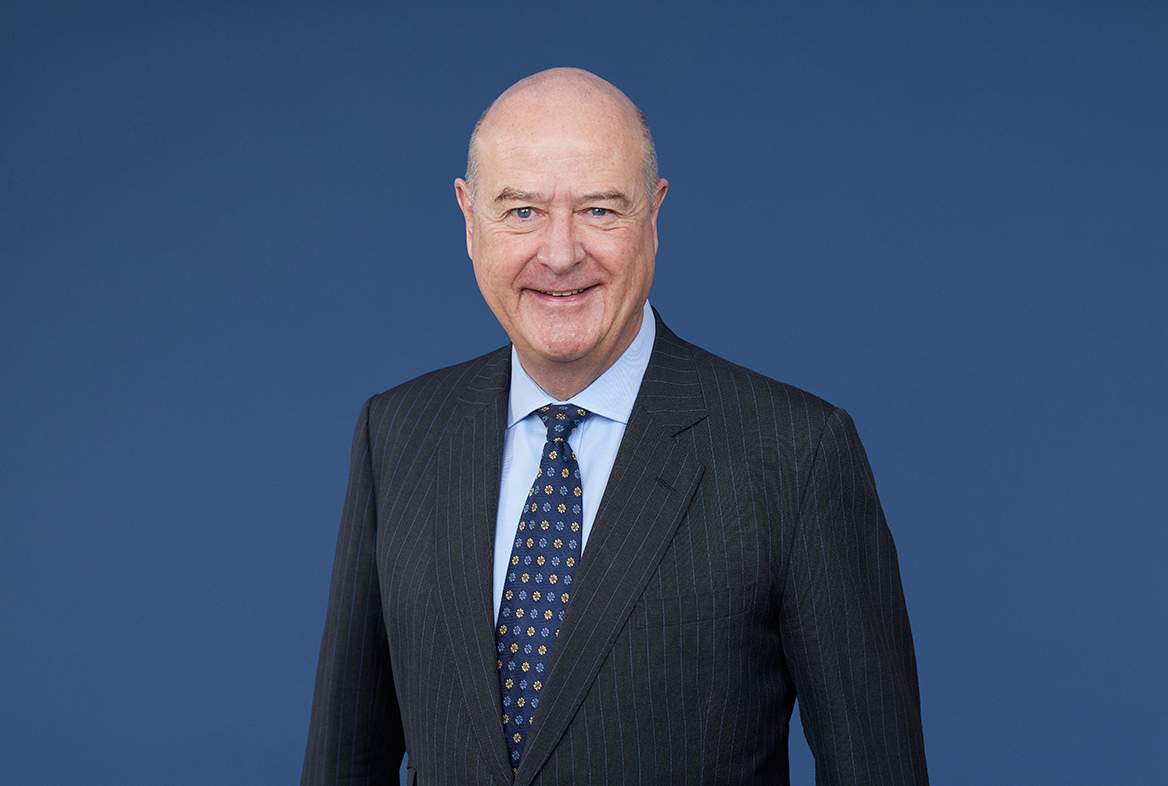
Chair Christopher Samuels (C) Scottish Mortgage
Shareholders in Scottish Mortgage Investment Trust have cashed in on its early support for SpaceX following the US tech firm’s mammoth flotation in the summer.
The FTSE 100 trust, managed by Baillie Gifford, took advantage for profit taking when the window opened for the sale of shares. It currently holds 11.1% in Elon Musk’s company from 15% at the end of September.
The trust invested in SpaceX seven and a half years before the IPO and in a statement with half-year figures chairman Christopher Samuel noted how it is an example of “what makes Scottish Mortgage distinctive”.
Total net asset value return was 31.5%, compared with 16% for the FTSE All-World Index. The share price total return was 33.8%.
The figures reflect the soaring value of tech stocks ahead of sharp falls in recent days, including yesterday’s crash which wiped $40 billion off Musk’s net worth. Shares in his Tesla car manufacturer and SpaceX – down 10.8% and 9.1% respectively on the Nasdaq exchange – were among those that suffered as investors took fright at signs that the Democrats could derail the artificial intelligence boom.
The discount to NAV at 30 September was 7.9%, compared with 9.5% at 31 March. The UK’s largest investment trust increased its annual dividend for the 43rd consecutive year, declaring an interim dividend of 1.80p per share, compared with 1.60p last year.
At the General Meeting in April a targeted change to the investment policy was approved with up to £250m added for private-company investments. This enabled the managers to add to the company’s investment in Anthropic in May.
Following SpaceX’s flotation, private companies represented 24.9% of the company’s total assets at 30 September. The additional capacity remains subject to defined limits and board oversight.
Speaking about Scottish Mortgage’s investment in SpaceX, Mr Samuel said: “The managers deserve considerable credit for recognising its potential before it was publicly traded and for sustaining their conviction as the business developed.
“Equally, the decision to reduce the position following its flotation, while retaining a substantial investment, demonstrates the importance of balancing conviction with disciplined portfolio management.”
Mr Samuel also noted other stocks in the portfolio including drugs firm Moderna. Its progress during the period also “demonstrated how patience can be rewarded, reinforcing the importance of giving promising businesses the time they need to realise their potential.”
He also mentioned Anthropic which “highlights a different strength of Scottish Mortgage’s investment approach: the ability to gain exposure to exceptional businesses before they reach public markets. This access remains a distinctive feature of the company’s investment approach, expanding the range of opportunities available to shareholders.”
However, the company revealed that it had invested in three new private companies. Hadrian, which uses software and robotics to run automated factories that make precision parts for aerospace and defence.
ICON, which uses robotic 3D printers to build homes and other structures, such as barracks for the US military, cutting time, labour and waste. Chai Discovery, which builds AI models that design new drugs from scratch, aiming to turn the slow, trial-and-error search for medicines into an engineering problem.
Portfolio manager Lawrence Burns admitted the trust made a “mistake” in taking “too large” a holding in early-stage biotech company but highlighted it held on due to the “melanoma results”, which showed why it held on.
He said: “Companies working at the frontier can spend years out of favour before success and a sharp reappraisal. We have trimmed the holding to keep it appropriately sized, with results from trials for lung, bladder and kidney cancer still to come.
“We continue to back companies willing to sacrifice short‑term profits for a larger long-term prize. MercadoLibre is doing exactly that: revenue growth accelerated to 50% in the second quarter, its fastest in four years, even as heavy investment almost halved its operating margin. We want to be the kind of shareholder that backs companies to do the right thing, even when the market punishes them.”

Share this article:

Subscribe to our newsletter to not miss articles like this one:
 SUBSCRIBE