
Written by:

SpaceX’s record $1.75tn float tests Baillie Gifford’s boldest bet
 Reading time: 3 minutes
Written by:
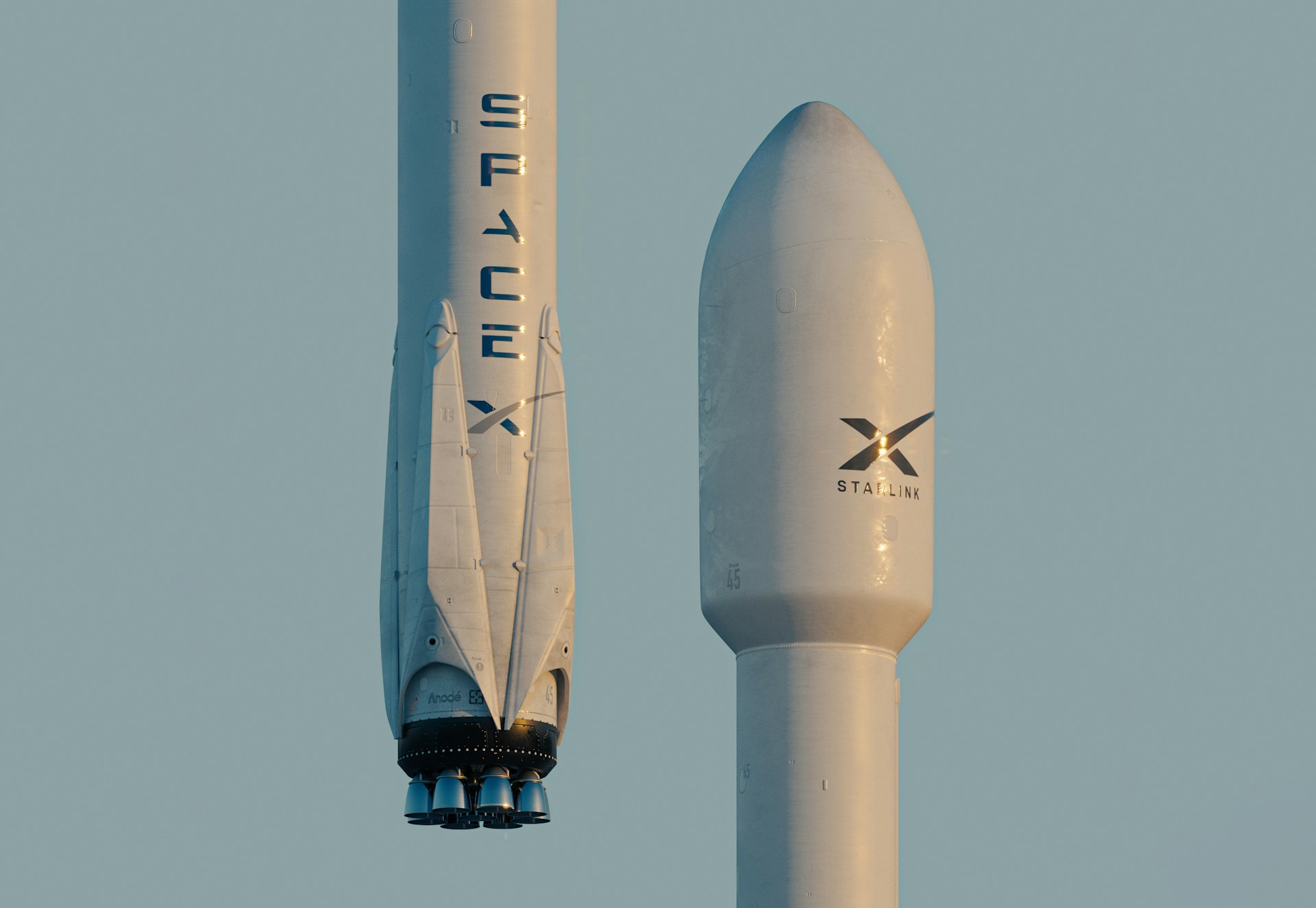
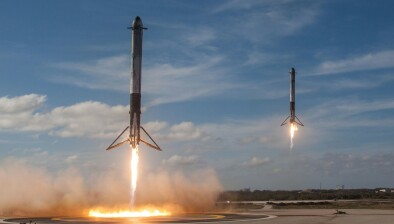
SpaceX makes its long-awaited stock market debut today in what is expected to be the largest initial public offering in history.
With a valuation estimated at between $1.75 trillion and $2tn (c. £1.3tn and £1.5tn), Elon Musk’s rocket and satellite company will arrive on the Nasdaq as one of America’s ten most valuable listed firms.
Few places will watch the launch more keenly than Edinburgh. Baillie Gifford’s stable of investment trusts has backed SpaceX privately for years, and the listing represents a potential landmark for their shareholders.
The manager raised its valuation of SpaceX a number of times in the six months ahead of the float, lifting flagship Scottish Mortgage Investment Trust’s stake to between 13% and 21% of assets, or around £3.5 billion, marking a return of roughly 19 times its original investment since 2018.
SpaceX also accounts for around 20% of Edinburgh Worldwide and approaching 15% of Baillie Gifford US Growth, leaving billions of pounds of Scottish-managed value riding on how the shares trade.
For Edinburgh Worldwide, the float carries particular significance as the trust’s new Saba-backed board has confirmed it intends to offer shareholders an exit through a tender offer once SpaceX has listed.
The episode underlines Aberdeen Investments’ research finding that value creation has increasingly shifted from public to private markets, with today’s winners generating most of their gains before listing.
The IPO arrives on the back of a controversial rewriting of the index rulebook. Under Nasdaq’s new “fast entry” rule, effective 1 May, newly listed companies ranking within the top 40 of the Nasdaq 100 by market value become eligible for inclusion within just 15 trading days of an IPO, slashing the previous waiting period of roughly three months.
Nasdaq has also reduced its 10% minimum free-float requirement, and the seasoning period it abandoned had long been considered an important window for price stabilisation and discovery.
Because index-tracking funds must buy any new constituent, SpaceX’s accelerated entry will trigger automatic purchases by the hundreds of billions of dollars in ETFs following the Nasdaq 100 – vehicles through which vast numbers of ordinary savers hold their pensions. Millions of passive investors will thus acquire exposure to a heavily loss-making, founder-controlled company within weeks, without ever choosing to.
There is plenty to give pause. SpaceX generated some $18.7bn (c. £14bn) of revenue in 2025, driven by Starlink, yet posted a net loss of around $4.9bn (c. £3.7bn), and the valuation implies a revenue multiple approaching triple digits – a different orbit altogether from Nvidia or Apple, as Aberdeen’s Ben Ritchie notes.
A dual-class structure hands Musk an estimated 80–85% of voting power, and Dr Renzo Cordina of the University of Dundee cites Uber’s post-listing slump as a warning that markets eventually ask whether a valuation matches the underlying economics.
For Scotland’s trusts, today is a milestone – whether it proves a payday depends on what happens once the excitement fades.

Share this article:

Subscribe to our newsletter to not miss articles like this one:
 SUBSCRIBE