


UK construction PMI edges up but sector remains deep in contraction
 Reading time: 3 minutes
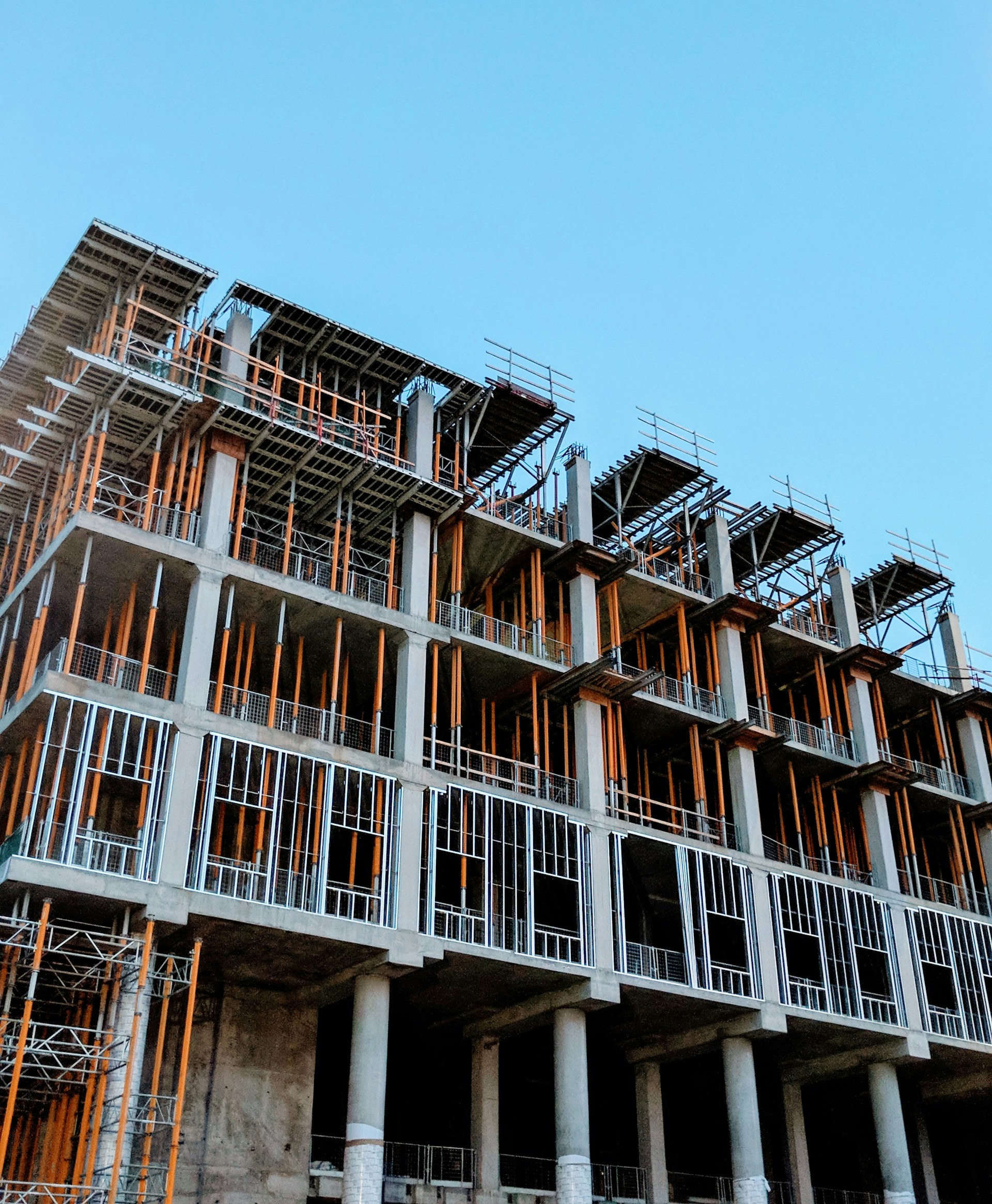
The UK construction sector remained in contraction during March 2026, with the latest S&P Global UK Construction Purchasing Managers’ Index (PMI) rising marginally to 45.6 from 44.5 in February, though still below the neutral 50.0 threshold for the fifteenth consecutive month.
Residential building continued to drag on overall performance, with the house building index falling to 38.2 – the weakest of all sub-categories. Civil engineering (44.8) and commercial construction (47.1) fared somewhat better, with the former recording its least marked decline since May 2025, partly attributed to a gradual recovery in major infrastructure work.
Joe Sullivan, construction and real estate partner at MHA, which has offices in Edinburgh and Aberdeen, said the slight uptick offered little cause for optimism.
“The slight uptick in Construction PMI suggests the sector is steadying but not bouncing back. Any small improvement is likely due to reduced weather disruption. Overall, demand still looks weak and many projects are being pushed back rather than kicked off,” he said.
The split within the sector was a recurring theme. Mr Sullivan noted that infrastructure is holding up comparatively well, whilst housebuilding remains most exposed to interest rate pressures.
He explained: “Even if house prices are edging up, the outlook is still uncertain, higher energy costs and changes in mortgage rates can quickly hit confidence and affordability.”
New orders declined at their fastest pace in four months, with lower volumes of new work recorded in every month since January 2025. Survey respondents cited rising risk aversion among clients amid elevated global economic uncertainty, with the conflict in the Middle East frequently identified as a key factor weighing on investment decisions. Cost pressures intensified sharply.
Nearly half of the survey panel reported an increase in cost burdens during March, with the resulting Input Prices Index reaching its highest level since November 2022. Tim Moore, Economics Director at S&P Global Market Intelligence, described the month-on-month acceleration in cost inflation as the largest recorded in nearly three decades of data collection.
Mr Sullivan echoed those concerns, warning that margin pressure is building across the industry. He said: “The inevitable increase in cost of materials due to the war in the Middle East, the rise of minimum wage and labour pressures are squeezing margins, especially on fixed price contracts.
“At the same time, extra regulation and longer waits between planning approval and starting on site are slowing activity and making firms more careful about investing.”
Supply chain disruptions added to the difficulties, with average vendor lead times lengthening for the first time since July 2025. Business optimism, whilst still marginally positive, fell to its lowest level in three months.
Looking ahead, Mr Sullivan cautioned that conditions are likely to remain challenging.
He concluded: “On some projects, especially larger commercial ones, the numbers are tight, build costs are much higher and funding may become harder to secure. That means more redesign, value engineering and phased delivery. A sustained lift will depend on stronger new orders and steadier expectations for interest rates and input costs.”

Share this article:

Subscribe to our newsletter to not miss articles like this one:
 SUBSCRIBE