

Visitor Levy Amendment Bill passed
 Reading time: 4 minutes
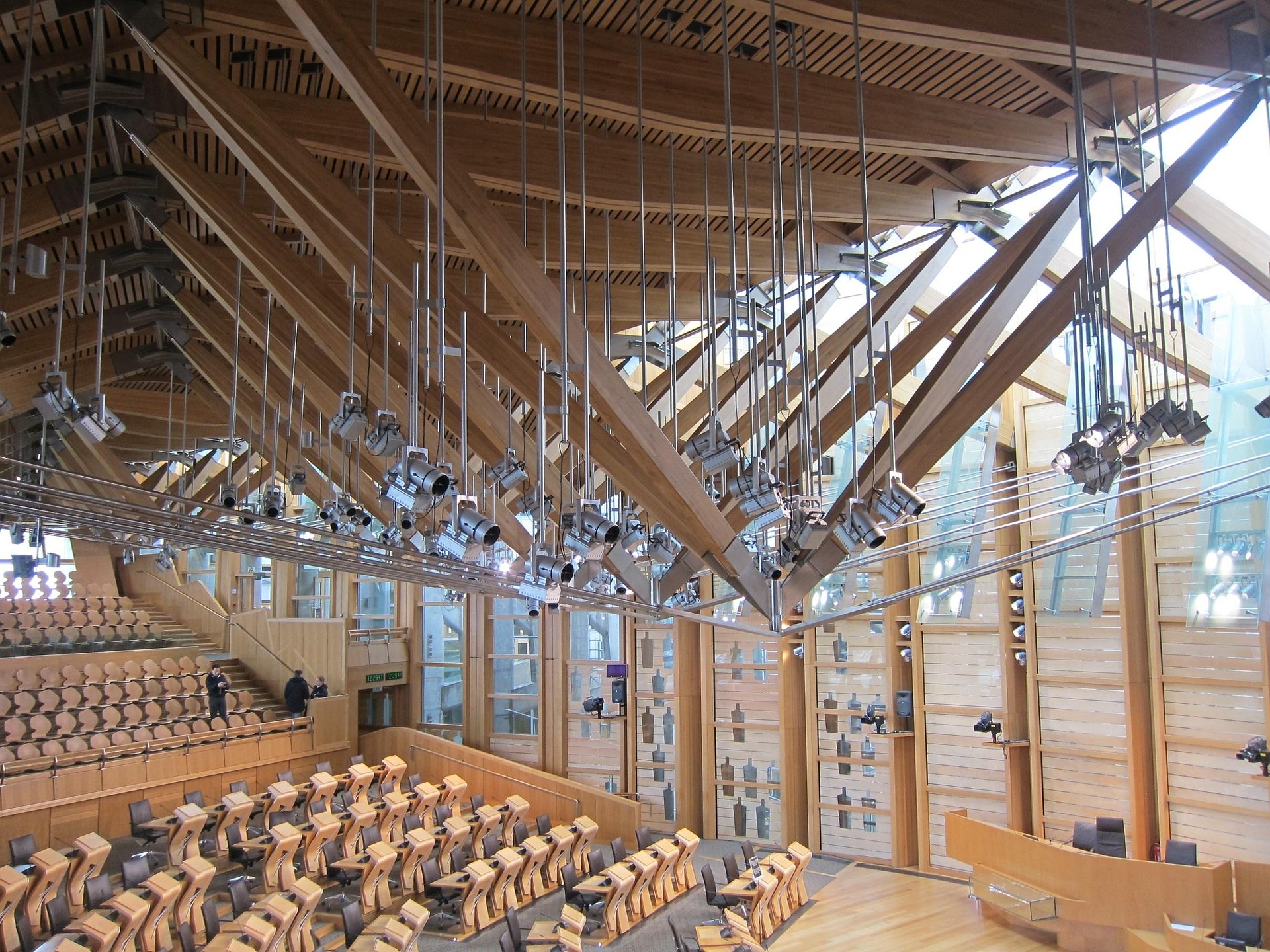
New legislation gives councils who choose to introduce a visitor levy greater choice in how they design and apply it to raise funds for local tourist services.
The Visitor Levy (Amendment) (Scotland) Bill, which has been approved by Holyrood, allows local authorities to set the levy as a single fixed amount or multiple fixed amounts, such as for different times of year.
Councils will be able to choose between the new option or the existing percentage rate model.
Public finance minister Ivan McKee said: “This legislation strengthens the visitor levy by giving councils the flexibility to choose the approach that best reflects their local area, empowers local decision making and ensures the benefits of tourism are shared across communities.
“Tourism is an important sector and we want visitors to have a positive experience as they share our culture, landscapes and hospitality.
“We have worked closely with councils and tourism bodies, and across Parliament, and want to ensure visitor levies are an effective option for councils who choose to introduce them to boost investment in local economies and services.”
The Scottish Tourism Alliance (STA) and the Association of Scotland’s Self-Caterers (ASSC) praised the constructive engagement between the Scottish Government and industry throughout the Bill’s progression. This collaborative approach, combined with cross-party support, has resulted in a more practical and balanced approach that responds directly to longstanding industry concerns.
The organisations stressed that any levy taken forward must be underpinned by robust economic impact assessments and designed in a way that supports, rather than undermines, Scotland’s tourism competitiveness. They also reiterated that revenues raised through any levy should be ringfenced for tourism infrastructure only rather than substituting for existing public expenditure.
Marc Crothall MBE, chief executive of the Scottish Tourism Alliance, said: “The welcome changes to the visitor levy are testament to what can be achieved when government and business work together in a genuinely collaborative way, leading to better outcomes for Scotland’s tourist economy and communities.
Listening and acting on informed feedback from business means we can have a visitor levy in place that is fit-for-purpose. Through the fixed amount model, it will overall be easier and less costly for accommodation providers and local authorities to administer, and importantly more transparent for our visitors.
Those councils seeking to progress a levy can now do so with an option that better safeguards Scotland’s tourism sector, while simultaneously ensuring a sustainable revenue stream for visitor related infrastructure.
Hopefully what was achieved today can act as a catalyst for future evidence-led decision-making so Scotland can become a leader in 21st century tourism.”
Fiona Campbell MBE, chief executive of the ASSC and Vice Chair of the STA Policy Group, said: “The final Bill reflects the constructive engagement between government and industry, as well as the positive cross-party collaboration that has helped shape a more pragmatic and workable approach to Scotland’s visitor levy.
The inclusion of enhanced flexibility through the option of a fixed amount model is a crucial step forward in delivering a fair and practical system for Scotland’s £1bn self-catering sector. It will allow those local councils who wish to introduce a levy to do so in a manner that best reflects local needs and circumstances.
By supporting this legislation, MSPs have built on that collaborative approach and helped deliver a measure that commands broad industry backing whilst supporting Scotland’s vital tourism economy and the communities it sustains.
This is a change that the ASSC and other industry colleagues pushed hard for and we are absolutely delighted that policymakers have listened to consistent, evidence-based concerns. We sincerely hope that this partnership working can be replicated in other important policy areas in the next parliamentary session.”

Share this article:

Subscribe to our newsletter to not miss articles like this one:
 SUBSCRIBE