And finally… a byte to eat
 Reading time: 2 minutes
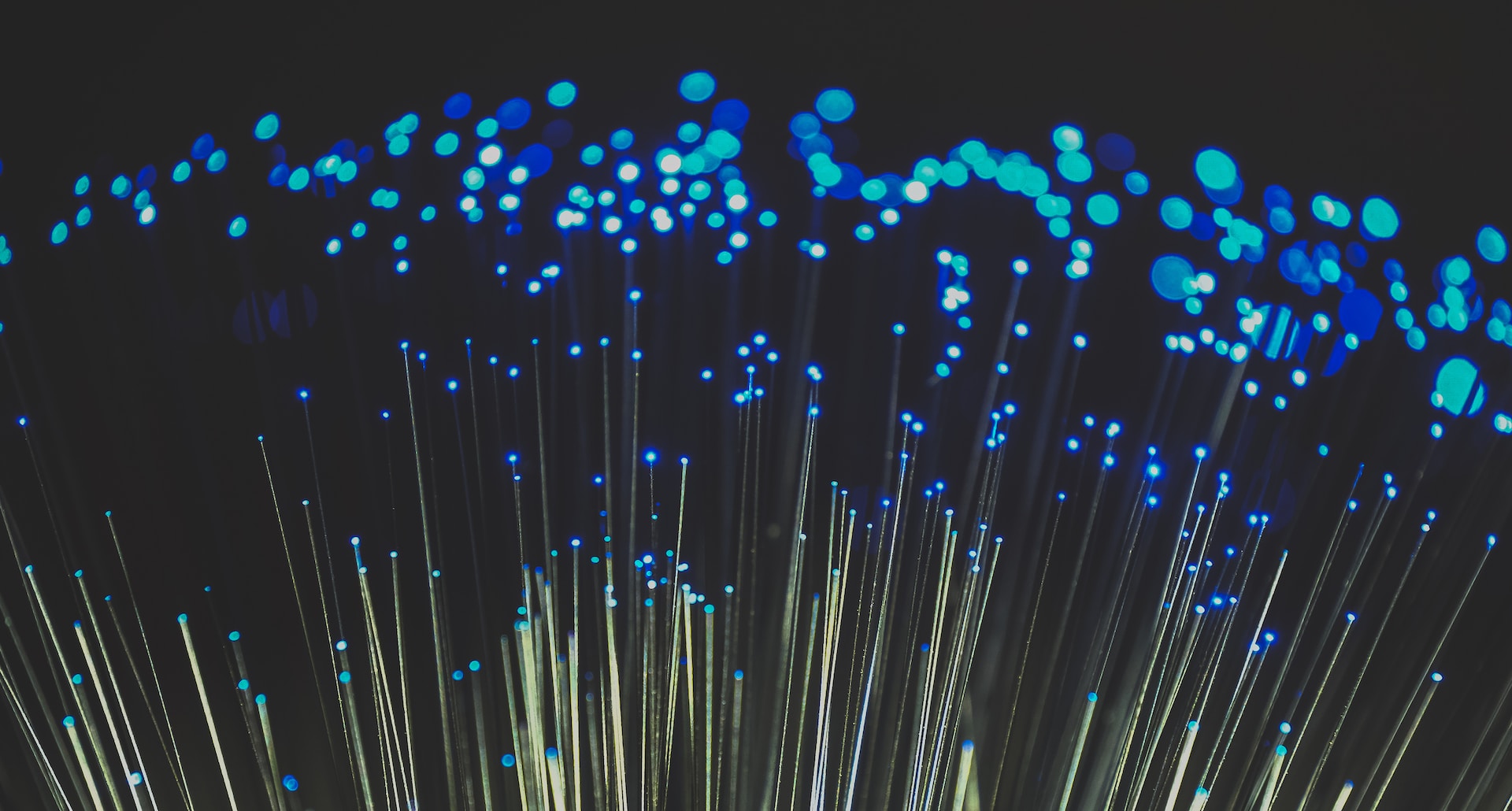
Rodents have pushed London-based broadband provider G.Network into administration, leaving its future uncertain, by causing a potential rescue deal by rival Community Fibre to collapse.
Despite the firm’s £300 million debt and a modest subscriber base of 25,000, the primary deterrent for suitors appears to be a costly and literal infestation problem. Extensive rodent damage to the company’s fibre-optic infrastructure has rendered the network a high-risk asset, with rats frequently gnawing through protective layers to build nests.
The vulnerability of the network is exacerbated by the use of biodegradable cable sheathing. Some of these jackets are manufactured using soy or corn-based materials, which attract rodents by scent and taste. Community Fibre’s chief executive, Graeme Oxby, told The Telegraph that such structural issues make the network an expensive fix, particularly as rodents find the fibres “very tasty”. While typical fibre cables are robust enough to require power tools to penetrate, they remain no match for the persistence of nesting rats.
Adding to the financial burden is G.Network’s specific infrastructure layout. Unlike many competitors who lay lines under pavements, G.Network installed much of its cabling beneath the centre of busy London roads. Any repairs necessitated by rodent damage require expensive road closures and cause significant traffic disruption. This logistical nightmare has discouraged other “alt-net” competitors from scooping up the distressed company, which is currently held by the private equity firm FitzWalter Capital.

Share this article:

Subscribe to our newsletter to not miss articles like this one:
 SUBSCRIBE