
And finally… Norse code
 Reading time: 2 minutes
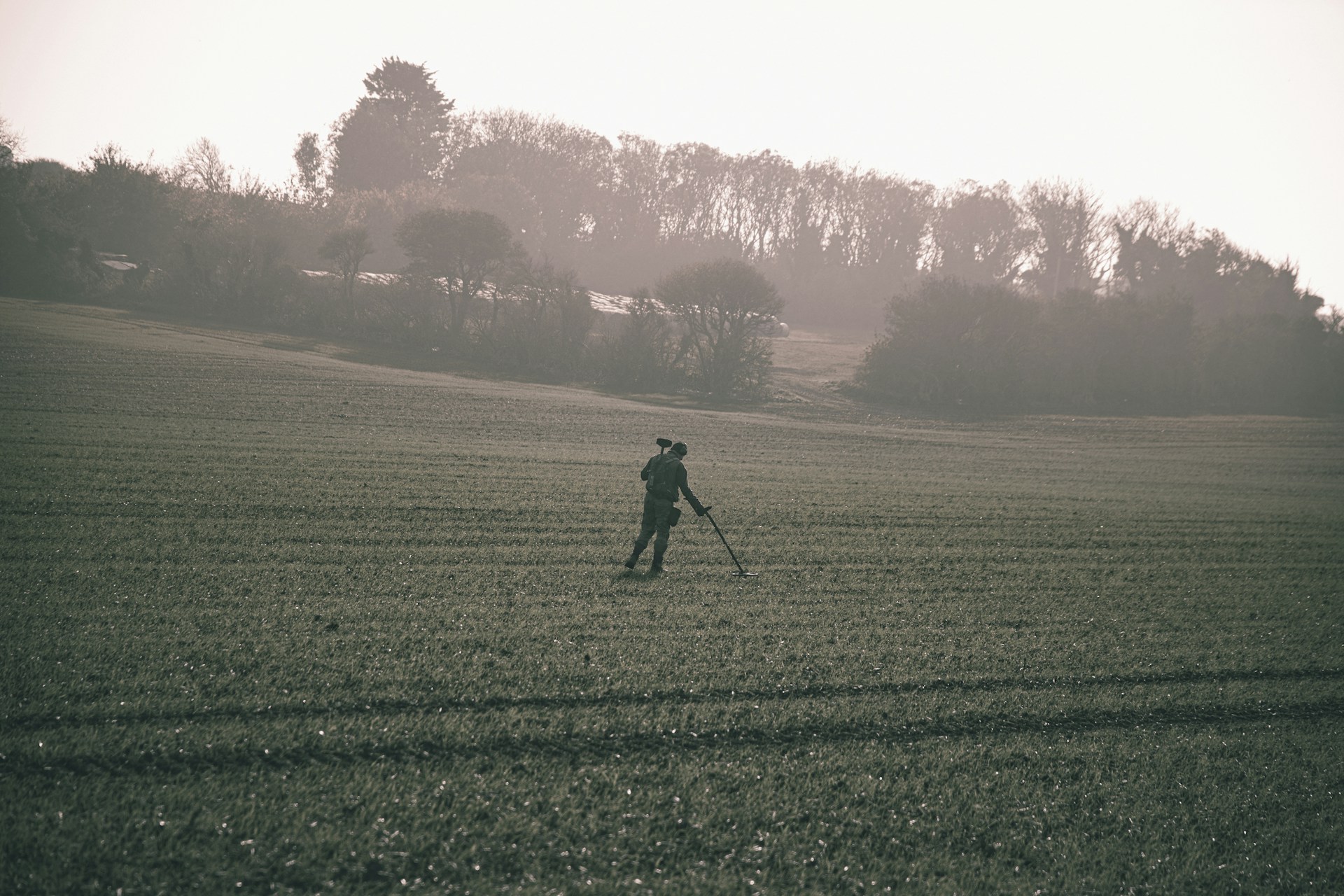
Two metal detectorists hoping for a quiet start to the season instead stumbled upon the largest Viking Age coin hoard ever discovered in Norway, and the beeping still hasn’t stopped.
When Vegard Sørlie and Rune Sætre swept a field at Mørstad farm near Rena in eastern Norway, they pulled up 19 silver coins before sensibly downing tools and calling in the experts. Archaeologist May-Tove Smiseth from Innlandet County Municipality joked that a few more coins would be nice.
The detectors obliged spectacularly. By the end of day one the count had reached 70, and this week the tally surged past 3,000 silver pieces, smashing all previous Norwegian records. Dubbed the Mørstad Hoard, the trove was likely buried around 1050, towards the end of the Viking Age, Science Norway reports.
The soil at the site contains very little stone, leaving the coins remarkably well preserved, almost as though freshly minted. Most are German and English coins, the international currency of the era, but crucially the hoard also includes early Norwegian coins struck after King Harald Hardrada established a national mint on his return from Byzantium around 1045.
Professor Svein Harald Gullbekk of the Museum of Cultural History in Oslo called the find “truly exceptional”, noting that no previous Norwegian hoard had broken the 3,000 barrier.
Archaeologists believe the coins were originally buried in a leather pouch that decayed, allowing the plough to scatter them across the field. The sum could once have purchased an entire farm, and excavations are set to continue for several more seasons.

Share this article:

Subscribe to our newsletter to not miss articles like this one:
 SUBSCRIBE