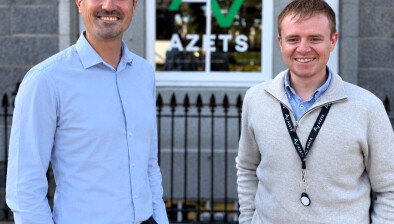

Azets warns Scottish charities about increased HMRC activity in sector
 Reading time: 2 minutes

Alan Glen
Charities and not-for-profit organisations in Scotland are being warned to ensure all their procedures and records are watertight in the light of enhanced compliance activity by HM Revenue & Customs (HMRC).
HMRC has initiated a programme of Structured Risk Reviews (SRRs) across the charity and not-for-profit sectors, signalling a more intensive and data-driven approach to oversight.
Alan Glen, Edinburgh-based VAT partner at accountancy firm Azets, says the new approach is designed to both recover ‘lost’ taxes and interest and further understand how the sector operates.
Using its enhanced Connect analytics system, now supported by AI, HMRC draws on information from tax filings, public records, social media and more than 30 external databases.
Mr Glen said: “We expect payrolls, tax returns, VAT returns and Gift Aid claims to be examined in detail to see whether they correlate with public statements and whether tax has been underpaid.
“This is likely to pick up a great deal of data which was previously not considered and, as a result, even minor discrepancies, inconsistencies or unusual patterns can prompt a review.
“As we know, HMRC fact-finding reviews can be onerous, time-consuming and often a cause for great anxiety for trustees and organisations finding themselves under investigation.”
Azets, the UK’s specialist business advisor to SMEs, charities and not-for-profit organisations, has listed common triggers for SRRs, which include:
- Large or geographically dispersed employee populations
- Multiple or complex income streams
- Repayment claims
- Trading or commercial activities
- Overseas operations, projects or subsidiaries
The areas that HMRC will be reviewing are right across the board, including:
- Corporation Tax and charitable expenditure
- Gift Aid governance and processes
- VAT treatment, partial exemption, and income recognition
- Employment taxes, benefits, and payroll controls
Latest figures from the Charity Commission show that there were 171,173 charities in the UK in 2024, nine in 10 of which were independent and with income of less that £500,000 per annum.
Charities in the UK spend over £40 billion a year, employ an estimated 827,000 people and contribute over £12bn a year to the UK economy.
Mr Glen added: “Our advice is to seek professional advice without delay if you become the subject of an SRR or if you feel your procedures may not stand up to review. The quicker action is taken the more chance there is of mitigating against potential penalties.”

Share this article:

Subscribe to our newsletter to not miss articles like this one:
 SUBSCRIBE