

Banks to set their own contactless payment limits after FCA rule change
 Reading time: 2 minutes
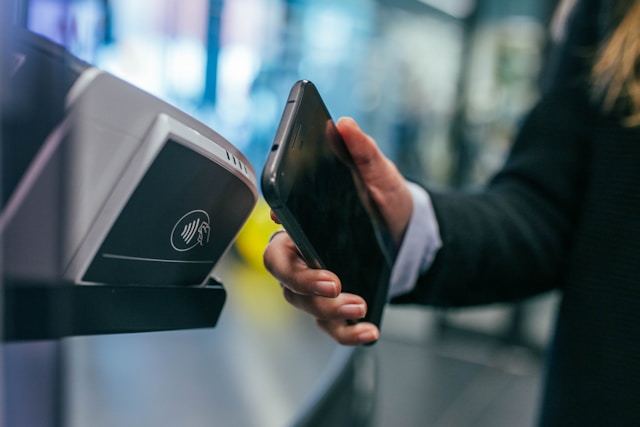
Banks and payment providers are set to gain the freedom to establish their own contactless transaction limits under new rules introduced by the Financial Conduct Authority (FCA).
Effective from March 2026, this regulatory shift moves away from the current uniform industry cap, allowing institutions to tailor limits to match modern spending habits.
The landscape of physical payments has shifted rapidly in recent years. As recently as 2021, the contactless limit sat at just £30 before rising to the current £100 threshold to accommodate post-pandemic changes in consumer behaviour. Laura Suter, director of personal finance at AJ Bell, notes that this latest evolution reflects the reality that ‘tapping’ has become the default payment method for the vast majority of in-store transactions. Research by Barclays found that almost 95% of all eligible in-store card transactions were contactless in 2024.
These changes prioritise consumer control. While banks can set higher default parameters, customers will be empowered to customise their own limits or disable contactless functionality entirely. Ms Suter argues this flexibility is vital, offering a necessary tool for those wishing to stick to a strict budget or protect themselves against potential theft.
The FCA has emphasised that existing consumer protections remain in place, saying that consumers must be reimbursed in unauthorised fraud cases, such as if their card is lost or stolen.
David Geale, executive director of payments and digital finance at the FCA, said: “Contactless is people’s favoured way to pay. We want to make sure our rules provide flexibility for the future, and choice for both firms and consumers.”
Kate Nicholls, chair of UKHospitality, said: “Making life easier for consumers is a positive for any hospitality and high street business, and I’m pleased the FCA is bringing forward this change.
“Contactless has increasingly become the preferred payment method of choice for many people and lifting the limit can mean quicker and easier experiences for consumers. While many people still prefer to use cash or chip and PIN, this change adds much-needed flexibility for providers and consumers.”
Ms Suter added: “The changes don’t come into place until March next year, so payment providers and banks have time to decide what level of flexibility they will offer. The onus is then on them to clearly tell customers what their options are and how to put controls in place, for those who don’t want unlimited contactless limits.”

Share this article:

Subscribe to our newsletter to not miss articles like this one:
 SUBSCRIBE