
Large-business lending grows 12.3% as corporate borrowing climbs to £5.5bn in April
 Reading time: 3 minutes

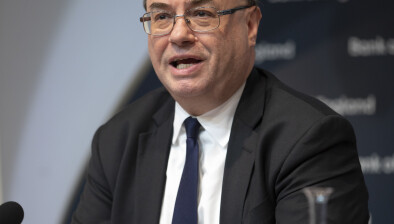
The Bank of England (Credit: George Iordanov-Nalbantov)
Private non-financial corporations (PNFCs) borrowed a net £5.5 billion of finance in April, up from £3.7bn in March, according to The Bank of England’s latest Money and Credit release.
The bulk came through £4.4bn of bank loans and £1.0bn of net commercial paper issuance, partially offset by £1.6bn of net equity buybacks and £0.2bn of net bond redemptions.
Businesses are leaning on bank lending and short-term paper while simultaneously returning capital to shareholders.
Looking at bank lending specifically, UK non-financial businesses borrowed a net £5.2bn in loans, with large businesses taking £4.2bn and SMEs £1bn. The standout figure is the pace of growth among larger borrowers, as the annual growth rate of borrowing by large businesses accelerated to 12.3%, from 11.7% in March.
SME borrowing growth also firmed, rising to 4.2% from 3.7%. For those advising corporate clients, that double-digit expansion in large-business credit is the headline trend.
The cost of finance held broadly steady. The effective interest rate on new PNFC bank loans was unchanged at 5.52%, while the rate on new SME loans edged up 5 basis points to 6.16%.
Businesses ran down deposits sharply, withdrawing £7.4bn across all currencies after depositing £18.0bn in March, a swing that may reflect working capital demands or the funding of the buyback and investment activity seen elsewhere in the release.
At the aggregate level, the net flow of sterling money (M4ex) slowed to £9.2bn from £23.2bn, driven by sharply reduced deposits from non-intermediate other financial corporations and net withdrawals by PNFCs.
Despite the slower monthly flow, the annual growth rate of M4ex nudged up to 4.6%. Sterling net lending (M4Lex) likewise slowed to £11.6bn from £20.8bn, yet its annual growth rate firmed to 6.4%. The pattern across both aggregates, softer monthly flows but firmer annual growth, is a useful reminder not to read too much into a single month’s volatility.
On the household side, the picture was one of restraint and tax-efficient saving. Net mortgage borrowing fell to £4.4bn from £6.8bn, largely as repayments surged, though approvals for house purchase rose to 65,900. Consumer credit was steady at £1.9bn, with overdraft rates remaining punishingly high at 21.79%.
Most striking was the deposit picture, as households poured £12bn into ISAs while withdrawing £13.1bn from interest-bearing sight accounts, following a fairly common pattern around the start of the tax year.

Share this article:

Subscribe to our newsletter to not miss articles like this one:
 SUBSCRIBE