

Written by:

Cash ISA allowance to stay at £20,000 as John Healey ‘set to ditch’ Reeves’ Reforms
 Reading time: 5 minutes
Written by:
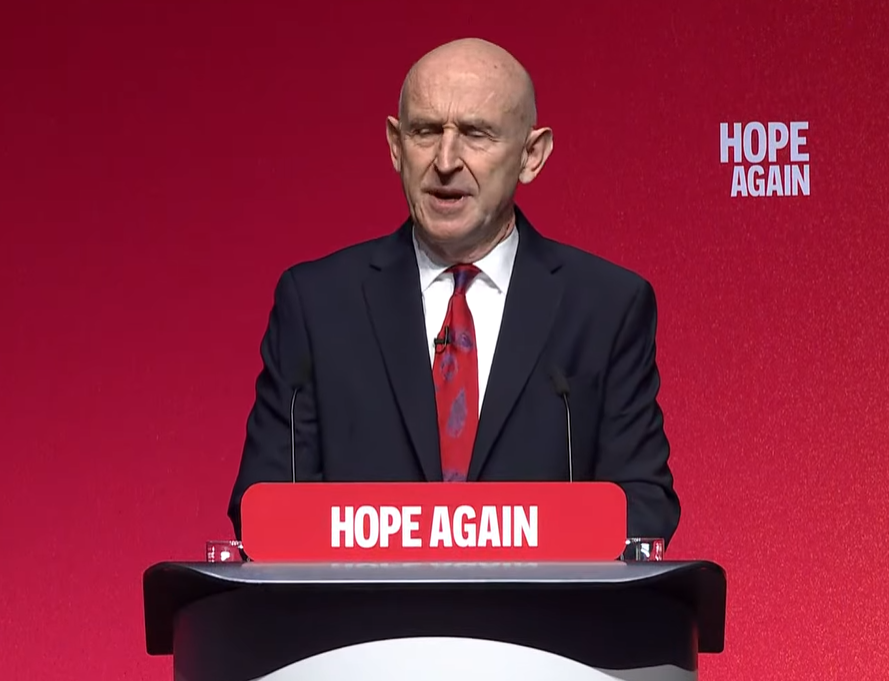
John Healey
Chancellor John Healey will abandon his predecessor Rachel Reeves’ “car crash” ISA reforms in his maiden Budget later today, according to reports.
The Chancellor will reverse the decision to cut the Cash ISA allowance from £20,000 to £12,000, which was set to come into effect from April 2027. Ms Reeves wanted more people to invest their more than have it in cash ISAs, arguing it would give their savings a better chance of growing over the long term.
Mr is also expected to drop the “anti-avoidance” measures, such as a proposed ban on transfers from Stocks and Shares ISAs to Cash ISAs and a 22% tax charge on cash or “cash-like” investments held in Stocks and Shares ISAs, according to the FT.
The proposals had been widely condemned by the industry for adding complexity to an already complicated ISA landscape, without any evidence that they would encourage more people to invest for the long term.
Tom Selby, director of public policy at AJ Bell, said: “Rachel Reeves’ ISA reforms were a car crash, lamented by most of the retail investment industry, who criticised the complexity they would add for little consumer benefit, and building societies, who warned they would increase mortgage costs. Given that the Prime Minister’s main focus is on easing cost-of-living pressures, we shouldn’t be surprised the Cash ISA cut is set to be unceremoniously ditched.
“While the central aim of encouraging more people to invest for the long term was the right one, the route Healey’s predecessor chose to achieve this was painfully convoluted, hardening the border between short-term saving and long-term investing and adding overwhelming complexity – not to mention a tax charge – into the system in the process.
“To make matters worse, by creating a ‘buy now while stocks last’ environment for the full £20,000 Cash ISA allowance until April next year, the policy was all-but-guaranteed to achieve the opposite of its stated aim of boosting retail investing in the short term, as people piled into cash while they could still do so under the current allowance.
“Healey deserves credit for seeing this iceberg coming and taking abortive action at the earliest opportunity. We assume this means the awful measures designed to prevent people circumventing the proposed Cash ISA cut, including taxing interest earned on cash and cash-like investments in a Stocks and Shares ISA and banning transfers from Stocks and Shares ISAs to Cash ISAs, will also be binned.
“However, undoing Rachel Reeves’ calamitous reform agenda should just be the first step – the Chancellor now has an opportunity to deliver on Labour’s pre-election pledge to radically simplify the ISA landscape.”
He added: “The prize for both individuals and the UK economy of getting ISA reform right could be significant. HMRC data suggests there are around three million people in the UK with £20,000 or more invested in Cash ISAs and no money invested in Stocks and Shares ISAs. If just half of that money was invested for the long term, an additional £30 billion of investment would be unlocked.
“Creating a single main ‘One ISA’, combining cash and investing, would tear down this barrier and allow people to seamlessly transition from short-term saving to long-term investing.”
In May last year, AJ Bell commissioned leading behavioural economics researchers Drs Richard Whittle and Stuart Rose to conduct an in-depth review of the UK’s ISA savings and investment landscape. The review identified multiple behavioural and structural barriers that exacerbate the tendency to hold cash savings rather than investments.
It considered a range of behavioural factors that discourage people from investing for the long term and examined how these interact with the design of the UK’s ISA system.
The paper concluded that “a complex and siloed structure exacerbates savers’ tendency to short-term cash holdings”, and that simplifying ISA choices and eliminating the binary distinction between cash and investments could remove structural barriers to long-term investing.
Several factors contribute to this short-term cash savings bias. Firstly, behavioural barriers make individuals more likely to prefer “safe” cash savings, and the real risk of inflation to the value of cash savings is rarely considered. Secondly, the design of the ISA system creates friction and complexity, deterring longer-term investment and presenting the Cash ISA as the “easy” choice.
The do-it-yourself investment platform called on the Chancellor to simplify ISA choice by eliminating the separation between cash and investments, claiming this would remove the structural barrier to long-term saving.
It acknowledged that this was “unlikely to combat the existing behavioural barriers to investment saving, however incorporating informative design principles into the development of any new (combined) ISA product can help steer customers toward good saving behaviours and outcomes.”

Share this article:

Subscribe to our newsletter to not miss articles like this one:
 SUBSCRIBE