

FTSE rallies and oil tumbles as US-Iran crisis steps back from the brink
 Reading time: 3 minutes
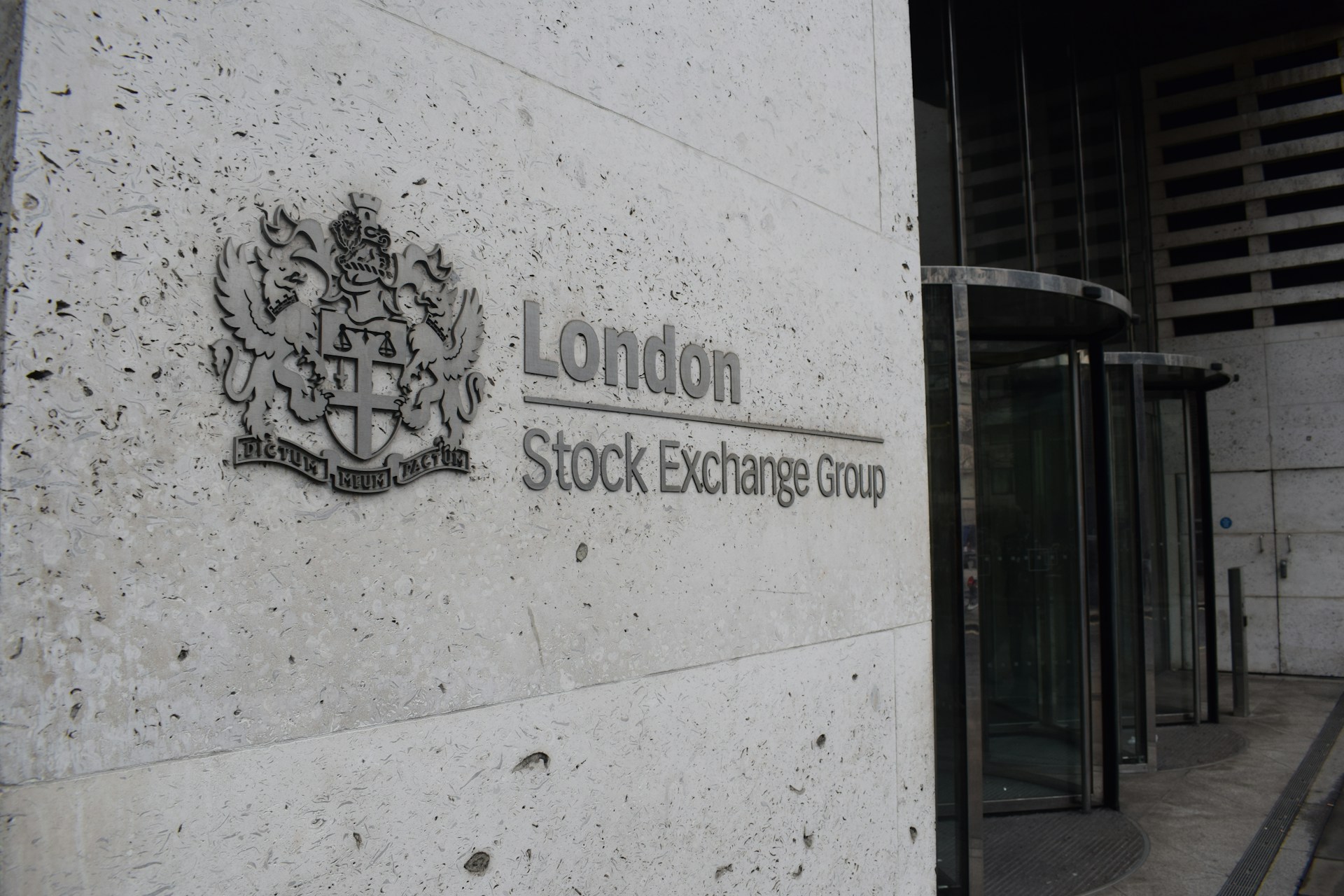
Global markets staged a sharp recovery on Wednesday after Donald Trump announced a two-week ceasefire with Iran, stepping back from what had been an extraordinarily dramatic ultimatum.
Just hours earlier, the US President had warned that “a whole civilisation will die tonight” unless Tehran reached a deal with Washington, raising the prospect of strikes on Iranian power plants, bridges and critical infrastructure. The agreement, reached less than 90 minutes before the deadline, was conditional on the immediate reopening of the Strait of Hormuz – a critical artery for global oil and goods shipments.
The announcement sent oil prices tumbling by as much as 16%, falling below $100 a barrel, as traders priced in the reduced risk of a supply disruption through one of the world’s most strategically important waterways.
The FTSE 100 climbed around 2.6% to 10,620 in early trading, while the FTSE 250 surged 3.7% to 22,363. The pound rose as much as 0.8% against the dollar, reaching $1.34. Airlines were among the sharpest movers, with Wizz Air gaining as much as 15% and British Airways owner IAG rising 10%, as the reopening of the strait eased fears of jet fuel shortages. Energy stocks moved in the opposite direction, however, with BP falling 8% and Shell dropping 7% as the oil price decline weighed on sentiment.
Across the Atlantic, US markets opened strongly, with the S&P 500 rising more than 2.5% in early trading. The Nasdaq gained over 3%, with the Dow Jones Industrial Average posting a similar advance.
Adrian Murphy, chief executive of Murphy Wealth, cautioned investors against reading too much into the sharp swings in oil prices.
“Oil prices have been volatile in the last couple of weeks, as investors weigh up the likely course of the conflict in the Middle East – and last night’s ceasefire has changed their direction again,” he said. “It is still difficult to say where prices will go from here and whether there will be further twists and turns ahead, but investors should keep in mind that trying to predict oil price movements won’t help with their approach to building wealth – even in the short term.”
Mr Murphy also warned against the temptation to chase energy stocks on the back of rising oil prices, pointing to historical evidence that the relationship between the two is far less reliable than it might appear.
“When the price of oil spiked 150 per cent in 1974, energy stocks actually fell. And when oil prices dipped last year, energy stocks were up,” he noted. “There are a broad range of factors that drive stock markets – not just the price of oil.
“But, as examples like 1974 and 2025 demonstrate, even if your prediction about the direction of oil comes true, you might not see any benefit in the performance of your investments by making changes to try and beat the market in the short term. In fact, you might find it has the opposite effect.”

Share this article:

Subscribe to our newsletter to not miss articles like this one:
 SUBSCRIBE