Industry leaders ‘underwhelmed’ by Scottish Budget despite rates relief
 Reading time: 4 minutes
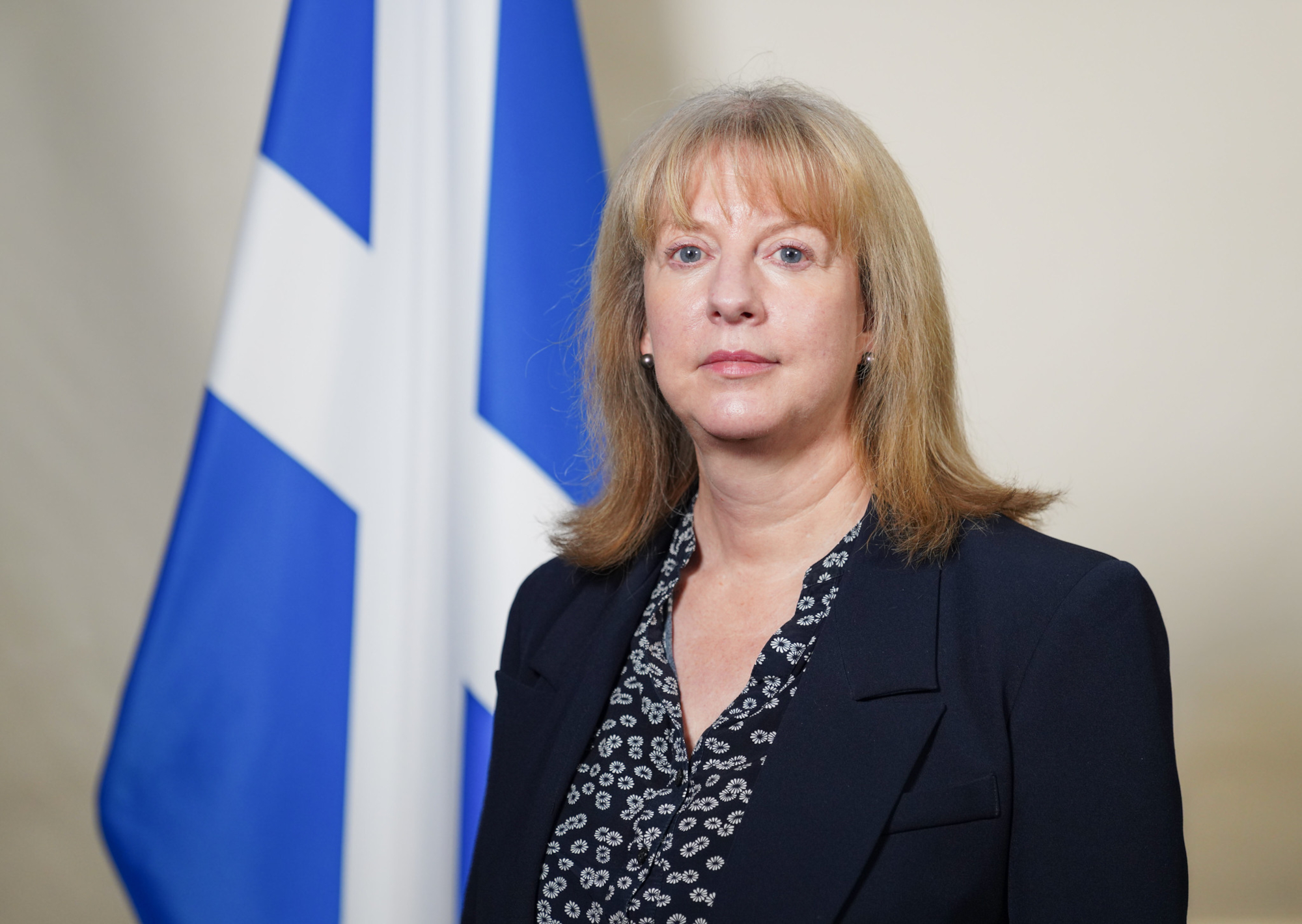
Shona Robison
The Scottish Government has announced its latest fiscal plans in its 2026-2026 Budget, branding it as as a “budget for families”.
Prioritising immediate support for households while introducing future reforms to property taxation, the proposals focus heavily on supporting the NHS, enhancing public services, and easing cost-of-living pressures ahead of the May 2026 election.
For business rates, a 15% relief will be introduced for the retail, hospitality, and leisure sectors, capped at £110,000 per business, while 100% relief continues for hospitality businesses in island communities.
The most immediate impact for taxpayers concerns income tax. While there are no changes to the tax rates themselves, the Scottish Government has announced a significant shift in thresholds to benefit lower and middle earners.
The Basic and Intermediate rate thresholds will rise by 7.4% – more than inflation. The Basic Rate threshold increases to £16,538, and the Intermediate Rate threshold rises to £29,527. However, the Higher, Advanced, and Top rate thresholds remain frozen, meaning the Higher Rate kicks in at £43,663 and the Top Rate at £125,140.
The freeze maintains ‘fiscal drag’ for higher earners, where wage inflation pushes taxpayers into higher bands.
In a major long-term policy shift, the Scottish Government proposed the introduction of two new Council Tax bands for high-value properties, branded by some as a “mansion tax”, scheduled to begin in April 2028. This includes a new Band I for properties valued between £1 million and £2m, and Band J for those above £2m.
Current Council Tax rates will remain unchanged for the 2026-27 year. Regarding other levies, Land and Buildings Transaction Tax (LBTT) rates remain frozen for both residential and commercial property.
A devolved Air Departure Tax is confirmed to replace the UK Air Passenger Duty from April 2027, alongside a new Aggregates Tax starting in April 2026.
On health funding, the Scottish Government announced spending is set to reach a record £22.5 billion. To support families, the Scottish Child Payment will increase in line with inflation to £28.20 per week from April 2026, and the education sector will see an additional £70m allocated to colleges.
Industry reaction and analysis
The reaction from Scotland’s business and financial communities has been mixed, with many experts highlighting the tension between short-term relief and long-term economic strategy.
Chris Barber CA, CFO at ICAS, described the measures as crowd-pleasing but lacking in meaningful change regarding long-term economic challenges.
He said: “The Finance Secretary’s announcement to increase the amount at which the basic and intermediate income tax thresholds starts by 7.4%, to £16,538 and £29,527 respectively, appears welcome news for low-income earners.
“However, at only £11 per year extra in their pockets, this hardly represents any difference to overall livelihoods. These threshold increases also won’t deliver a meaningful rise in fiscal revenue, given that 69% of Scotland’s income tax is raised from the top three tax bands.”
“With no change to the rest of the income tax bands in Scotland, more people will be dragged into higher tax bands as wages increase with inflation, and so will end up paying more tax.
“The greater number of income tax bands in Scotland compared to the rest of the UK also means that this fiscal drag is more pronounced. This, coupled with no changes to the Land and Building Transaction Tax (LBTT) bands, means we will see greater tax bills for many people.
“We think there should be greater alignment with taxation in the rest of the UK – particularly around the intermediate and higher rate thresholds.”
He also criticised the complexity of the system and noted that the proposed Council Tax reform was announced before the conclusion of a current consultation, potentially limiting proper scrutiny.
Susan Love, strategic engagement lead for Scotland at ACCA, characterised the budget as underwhelming for businesses.
“The rise in Employers’ National Insurance Contributions has undoubtedly increased employment costs for many firms, compounded by rises in the National Living Wage,” she said.
“It was crucial for the Cabinet Secretary to avoid further cost increases for Scottish firms and to consider where costs can be alleviated, for example by maintaining current rate reliefs for small businesses and considering where further support can be extended.
“Today’s announcement to continue the Small Business Bonus Scheme for another three years provides helpful certainty for small firms, while the modest relief for retail and hospitality firms is also welcome.
“However, for some businesses, the impact of reduced poundage rates, while welcome, may be offset by increases in rateable values arising from this year’s revaluation.”

Share this article:

Subscribe to our newsletter to not miss articles like this one:
 SUBSCRIBE