

Written by:

Investec scrutinises Saba Capital after boards revive US closed-end fund merger
 Reading time: 4 minutes
Written by:
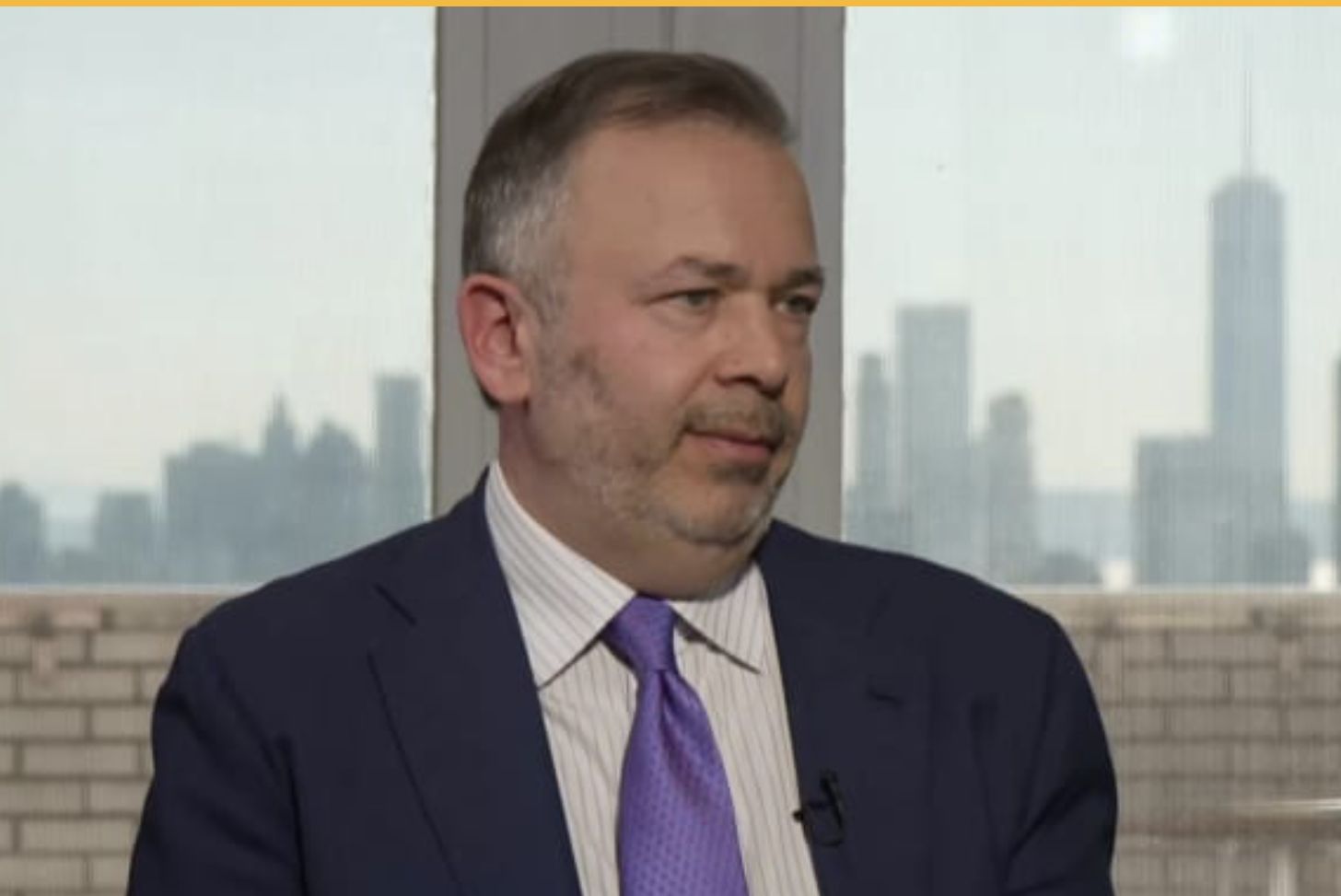
Boaz Weinstein of Saba Capital Management
Plans by the boards of two US-listed closed-end funds managed by Saba Capital Management to revive a terminated merger have been scrutinised by Investec.
Saba Capital Income & Opportunities Fund (BRW) and Saba Capital Income & Opportunities Fund II (SABA) terminated a proposed merger in March 2026. The revived plan is on terms described as “substantially identical”.
Under those terms, shareholders faced a 75% increase in management fees, with estimated aggregate fees payable to Saba Capital rising by around 24%. The proposal also offered no cash exit at or close to net asset value (NAV) and “no credible mechanism to narrow the discount beyond assertions that greater scale might improve secondary-market liquidity”, Investec noted.
The analysts wrote: “We argued that this sat uneasily with Saba Capital’s criticism of poor governance and ‘trapped’ shareholders elsewhere, its claim to have delivered ‘dozens of shareholder-friendly corporate actions’ and its repeated demands for ‘long overdue liquidity at NAV’. The manager’s prospective benefits were clear and measurable; those offered to shareholders were uncertain and unenforceable.
“We concluded that the gap between rhetoric and reality was no longer subtle. The funds terminated the merger in late March 2026, citing ‘current market conditions’, while signalling that they would reassess the alternatives.
“Since then, further lacklustre NAV returns and sharp de-ratings have pushed the discounts on BRW and SABA out to 17.8% and 19.8% respectively, as at close of business on 16 November 2026, their widest since Saba Capital’s appointment and to levels not seen since the global financial crisis.
“We note that BRW’s discount widened sharply following the announcement of its discounted rights issue in September 2025, suggesting that the issue was an important catalyst. Against this backdrop, it was reasonable to expect any revived proposal to offer materially more shareholder-friendly terms.”
However, the proposed merger “offers no meaningful improvement”, as SABA shareholders face being moved from a lower-cost, underleveraged fund into BRW’s “materially higher fee, leveraged structure”. The common performance period from January 2024 to close of business on 16 November 2026 is “relatively short”.
SABA delivered a 34.7% NAV total return against 25.2% for BRW. This comes after Saba Capital Management launched an attack on the UK investment trust sector over underperformance, including repeated attacks on Baillie Gifford’s Edinburgh Worldwide Investment Trust (EWIT) and US Growth Trust. Saba won the vote on EWIT but failed in October with US Growth Trust, as shareholders turned out to back the current board.
In total, shareholders face a 78% increase in management fees with “greater leverage risk”, while BRW shareholders will see no cost savings from the deal and must fund around £650,000 in transaction costs.
Analyst Alan Brierley added: “This contrasts sharply with recent UK closed-end fund restructurings, where meaningful fee reductions, waivers and enhanced discount control mechanisms have consistently formed part of improved shareholder terms and which have materially strengthened the investment proposition.”
Investec said the “deteriorating shareholder outcomes” warrant close scrutiny of the directors’ independence of judgement and the robustness of their challenge to the manager. It said this is relevant because the chair of both funds, Andrew Kellerman, is also a partner and president at Saba Capital Management, while three other trustees, Karen Caldwell, Ketu Desai and Anatoly Nakum, serve on both boards.
Caldwell and Desai also sit on the board of ASA Gold & Precious Metals, of which Saba Capital owns around 32%. ASA is chaired by Paul Kazarian, a partner and portfolio manager at Saba Capital and a close associate of Saba founder Boaz Weinstein. ASA shareholders are due to vote on 11 December on proposals that include appointing Saba Capital as investment adviser and fundamentally changing the investment mandate.
Brierley said: “Saba Capital has criticised poor governance and ‘trapped’ shareholders elsewhere, claimed to have delivered ‘dozens of shareholder-friendly corporate actions’ and repeatedly demanded ‘long-overdue liquidity at NAV’ for ‘mom and pop’ investors.
“In its own funds, however, those shareholder protections are conspicuously absent, while Saba Capital retains the assets, expands its fee base and benefits from operating a single fund. The contrast between the shareholder-focused rhetoric and the transaction economics is stark.”

Share this article:

Subscribe to our newsletter to not miss articles like this one:
 SUBSCRIBE