

Energy price shock set to slow Scotland’s economic growth to 0.8%
 Reading time: 3 minutes

Vishal Chopra – Scotland senior partner at KPMG UK
Scottish GDP growth is expected to slow to 0.8% in 2026, down from 1.4% in 2025, as pressures from a new energy price shock push up inflation, weigh on spending and lead to potential further tightening, according to KPMG UK’s latest European Economic Outlook.
Scotland’s growth rate points to a similar pace of growth as the wider UK economy and similar to the Eurozone’s average where GDP is forecast to grow by 0.9% in 2026 and 1.2% in 2027.
Analysis by experts at KPMG has shown that Scottish GDP growth in Q1 of this year was 0.1% compared to 0.6% for the UK as a whole, with a marked weakness in the manufacturing sector.
A late surge in March, which saw the Scottish economy expand by 0.6% on a month earlier should provide a temporary boost in the second quarter of the year, reflecting a similar, but delayed pattern of growth as in the wider UK economy. However, a weaker pace of growth is expected in the second half of the year, with overall GDP growth in 2026 slowing to 0.8%, from 1.4% in 2025.
Research also showed that there is rising concern over the potential impact of rising energy costs, with 18.5% of Scottish businesses, the highest share since November 2023, citing energy prices as the main issue facing their business as of April BICS survey.
And according to data collected by Scottish Enterprise, some Scottish exporters, particularly in the premium food and drink sector, are experiencing lower demand for products from the Middle East, due to the effect that the conflict has had on the travel and tourism sector.
Scottish consumer spending remains the key driver of economic demand, however rising uncertainty and elevated savings could dampen consumer spending for the rest of the year. Scottish consumer sentiment has weakened in Q1 2026, which points to slower spending growth through the course of the year.
Recent surveys have also shown that investment confidence has fallen, as of March 2026 52.7% of Scottish businesses reported low or no confidence that the business environment would create favourable conditions for investment in the next 12 months, up from 46.5% in December 2025.
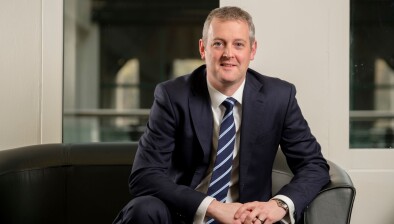
Yael Selfin, chief economist at KPMG UK, said: “The growth outlook for the Scottish economy remains challenging. In the short run, the impact of the energy shock could dampen growth as higher costs of fuels, energy and supply chain pressures as well as weaker export revenues create headwinds for Scottish businesses, but crucially Scotland is expected to continue to keep pace with UK growth.
“However, in the longer term, fiscal pressures driven by a squeeze in the grant funding available to the Scottish Government could slow the pace of growth in the public sector.”
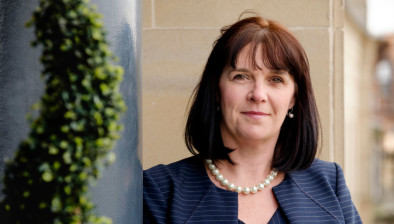
Vishal Chopra, Scotland senior partner at KPMG UK, said: “Scottish businesses are facing a more challenging economic environment, creating headwinds for growth in the months ahead.
“Periods of uncertainty can make it tempting to delay investment, but the businesses that emerge strongest are often those that continue to focus on transformation. Across Scotland, we’re seeing organisations invest in technology, skills and new ways of working to improve productivity and build resilience for the future.
“Scotland has a strong track record of innovation and entrepreneurship, and while businesses will need to navigate near-term pressures carefully, there remains a significant opportunity for those prepared to adapt, embrace change and position themselves for long-term growth.”
Looking ahead, Scotland’s ability to sustain growth over the rest of the decade will depend on progress in tackling longstanding weaknesses in labour market participation and productivity.

Share this article:

Subscribe to our newsletter to not miss articles like this one:
 SUBSCRIBE