

National Trust for Scotland calls for VAT reform to save historic buildings
 Reading time: 3 minutes
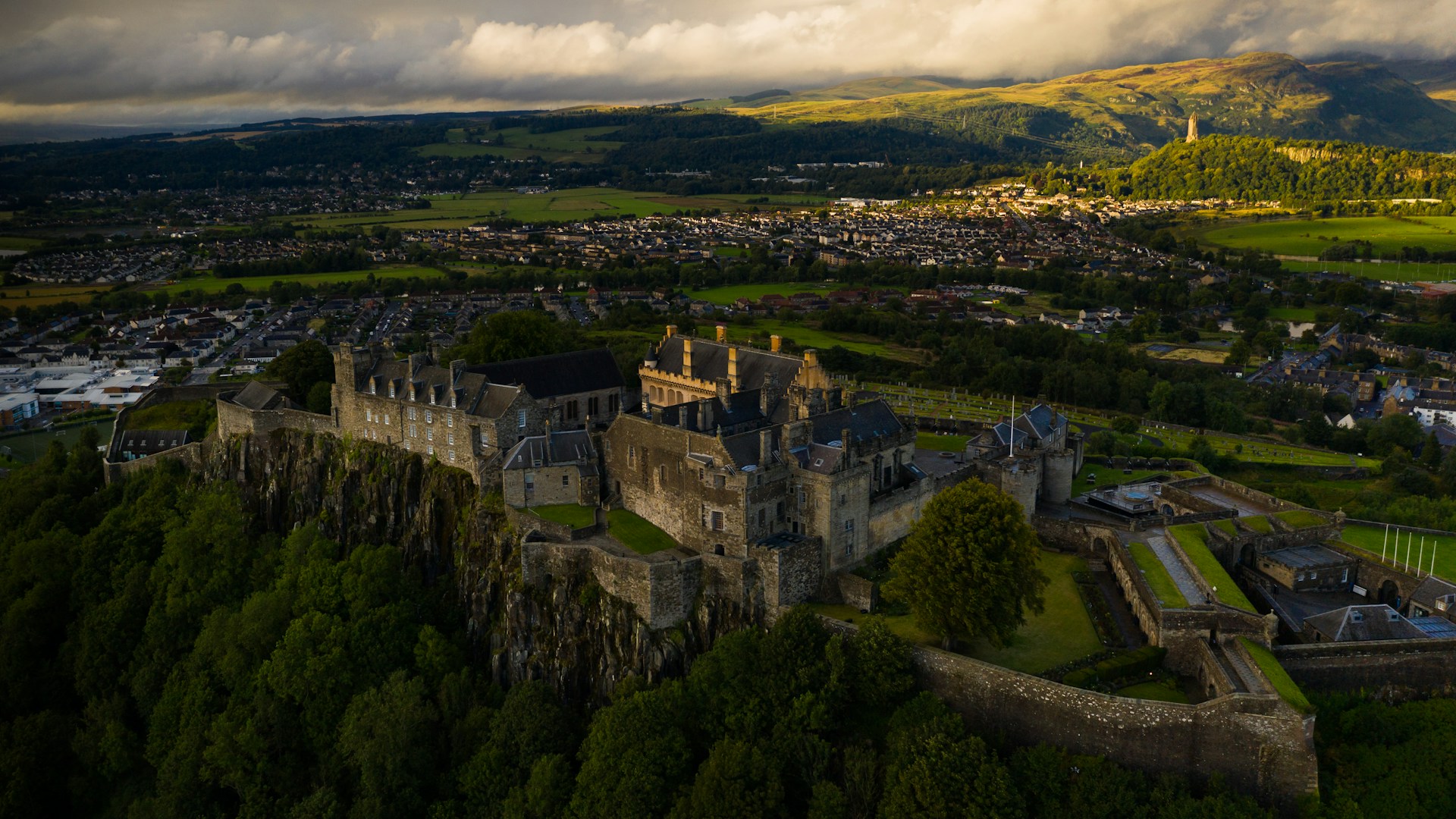
The National Trust for Scotland (NTS) has issued an urgent plea to political candidates ahead of the May Holyrood election, warning that current tax laws are penalising the preservation of the nation’s historic architecture.
The charity, which represents over 340,000 members, argues that the existing VAT regime actively encourages the neglect and demolition of characterful buildings. Under current UK government rules, most restoration and renovation projects are subject to 20% VAT, whereas new builds and the demolition of existing structures are zero-rated.
NTS chief executive Philip Long OBE has described this as a “double whammy” of policy failure, noting that the greenest building is the one that already exists.
The environmental and economic benefits of reform appear substantial. The Trust highlights that reusing existing buildings prevents the release of approximately 240,000 tonnes of stored carbon, which is essential for meeting net-zero targets. Furthermore, independent research suggests that eliminating VAT on historic buildings could inject £15 billion into the UK economy and create 95,000 new jobs.
Public sentiment aligns with these goals, as a December 2025 survey revealed that 58% of respondents support VAT relief for historic renovations. Beyond the immediate fiscal impact, well-maintained heritage sites are a cornerstone of Scotland’s £9.7 billion tourism industry.
A secondary crisis looms in the form of a widening skills gap. Diarmid Hearns, the NTS director of conservation and policy, warns that traditional building skills have reached their nadir due to chronic underfunding in further education. With nearly 20% of Scottish housing stock built before 1919, there is a critical shortage of workers trained in stone masonry and slate work.
Mr Hearns said: “That need and the range of specialist skills necessary multiplies when you also consider the many other public and private buildings that make up so much of the character of our towns and cities that are anything from 100 to 300 years old.
“Yet vocational and traditional skills training in Scotland has reached its nadir. FE Colleges face chronic underfunding and some have dropped vocational courses, such as stone masonry, altogether.
“We have to address this, not least because we are going to need people with these traditional buildings skills to retrofit older buildings for new heating systems and to ensure their survival in a wetter, stormier and warmer climate.”
Phil Long OBE added: “We are calling on all political parties and candidates to recognise the issues and to commit to changing these inadequate and contradictory policies. We also encourage the public to raise the issues with candidates on their doorsteps ahead of the May election.
“Righting these wrongs make economic and environmental sense in the long run: not only do well-maintained and used historic buildings make our towns and cities better places to live, they also make a significant contribution to tourism which generates £9.7 billion for Scotland, much of which is attracted by our cultural and built heritage.”

Share this article:

Subscribe to our newsletter to not miss articles like this one:
 SUBSCRIBE