
Paul Mason: The £22bn question – why Scotland is failing its most ambitious founders
 Reading time: 3 minutes
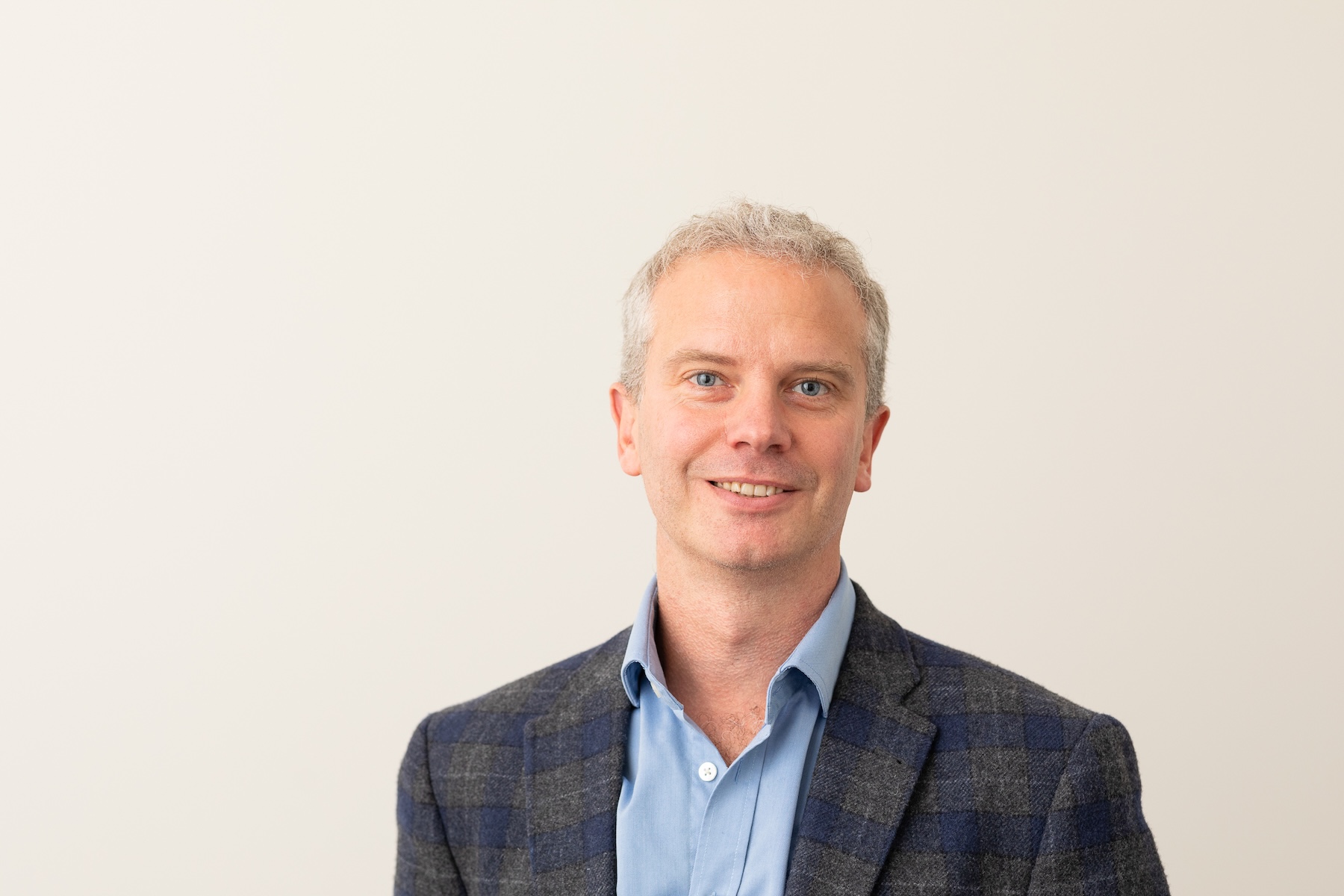
Paul Mason
Paul Mason argues that while Scotland excels at launching new businesses, it urgently requires a specialised support infrastructure to help high-potential firms bridge the gap between start-up agility and the repeatable systems needed to scale beyond £50 million in revenue.
Scotland has become a world-class launchpad for new, high-growth businesses. We have a well-developed ecosystem of angel investors, incubators, and infrastructure that makes starting a business here easier than ever.
However, when you dig a little deeper beyond these virtues, the data reveals a brutal truth: we have built a blocked funnel.
Currently, Scotland has around 1,500 companies generating up to £5m in revenue. Yet, that number collapses to just 85 firms breaking the £50m barrier highlighting the stark reality of how we are failing to convert our start-up energy into scale-up prosperity.
This matters as the cost of this failure translates to a potential £22bn loss to our economy and 100,000 missing high-value jobs.
In November, the Scaling Scotland report, led by former Skyscanner executive Shane Corstorphine with support from the Scottish Government, laid bare the issue. As a panel member who contributed to Mr Corstorphine’s report, and in my daily work at CT advising high-growth firms, I see the root cause repeatedly: a critical need for enhanced business capability.
This point is often misunderstood. It is not that our founders lack skill but rather that scaling a business requires a fundamentally different toolkit to starting one. A start-up runs on agility, product-market fit, and adrenaline while a scale-up runs on measurable, repeatable operating systems.
Crossing the divide from creating a £5m business to one that exceeds £50m requires scale-experienced boards, international leadership, and a talent strategy that competes globally.
Today, many founders hit this growth cliff alone. They don’t know what they don’t know, simply because they haven’t been there before. Without access to peers or advisors who have successfully scaled to £50m and beyond, they are forced to learn by trial and error which typically proves to be a slow, expensive and risk-fraught way to grow.
Through the recommendations of the Scaling Scotland report, we are proposing a shift from a fragmented, start-up centric landscape to a ‘concierge-style’ support system for scaling businesses. It will also centre on a system that will put specific expertise, insight and access to network in front of founders, often well in advance of when they realise they may need this additional toolkit of capabilities.
By surrounding our high-potential founders with this level of internationally experienced support, we can fundamentally change the risk/reward balance for Scotland PLC. First-time founders especially will have increased confidence and knowledge of how to build for scale.
By developing this confidence and knowledge, we can reduce the number potentially scalable businesses that reach an early plateau, resulting in shareholders feeling compelled to sell earlier than might have otherwise been the case. We’ll have more founder teams who have the belief and roadmap to generate what I like to refer to as ‘extreme outperformance’ through global scaling.
If we can shift our mindset from celebrating the start of a business to structurally supporting the scale-up of one, we can create an economy of abundance for Scotland over the next 50 years.

Paul Mason is corporate finance partner at accountants CT and was a panel member contributing to the Scaling Scotland report

Share this article:

Subscribe to our newsletter to not miss articles like this one:
 SUBSCRIBE