
RBS-owner NatWest hits post-2008 high with £7.7bn profit as shareholders net 51% dividend hike
 Reading time: 3 minutes
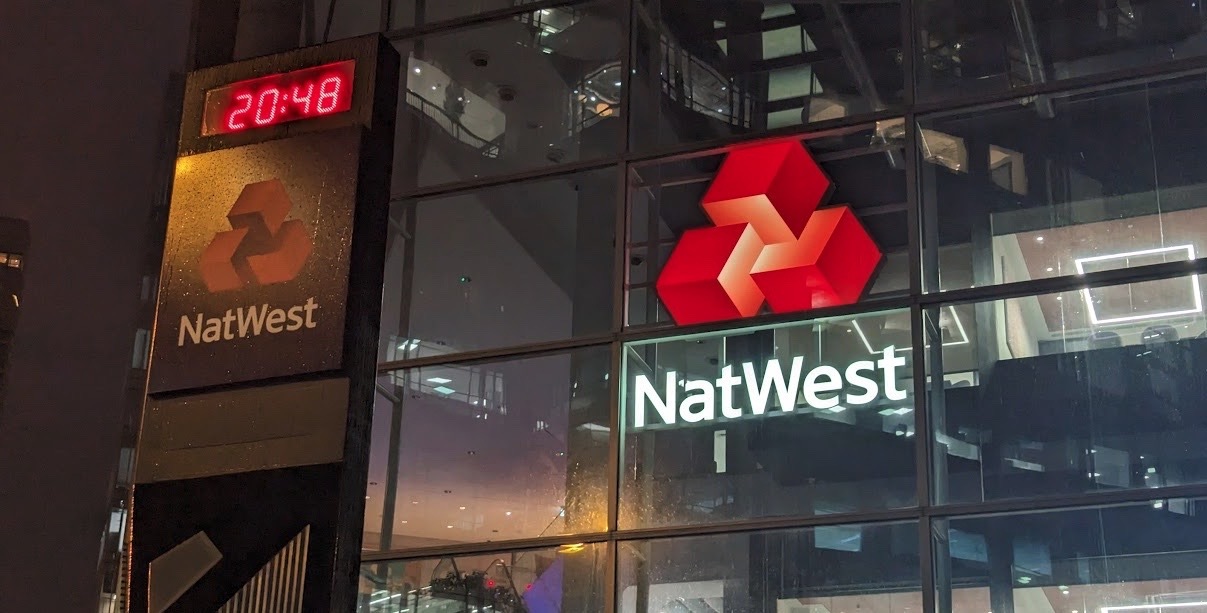
(Credit: George Iordanov-Nalbantov)
NatWest Group has reported its strongest financial performance since the 2008 crash, with 2025 pre-tax profits surging to £7.7 billion.
This represents a significant climb from the £6.2bn recorded the previous year, driven by broad-based growth across its retail and commercial divisions. The bank’s return on tangible equity, a vital measure of profitability, rose to 19.2%, comfortably exceeding market guidance.
Following its return to full private ownership, the lender has signalled its confidence by proposing a total dividend of 32.5p per share, a 51% increase that underscores its robust capital position.
Chief executive Paul Thwaite attributed the success to a “sharpened strategic focus” and disciplined growth. The bank’s balance sheet saw a 5.6% increase in total loans, supported by the integration of more than one million Sainsbury’s Bank customers and a £2.3bn mortgage portfolio from Metro Bank.
Looking ahead, NatWest aims to solidify its position in the wealth management sector through the £2.7bn acquisition of Evelyn Partners. While this move prompted a temporary pause in share buybacks until 2027, management maintains the takeover will create the UK’s largest private banking business and accelerate fee income growth.
Operational efficiency remains a cornerstone of the bank’s strategy, with a heavy emphasis on digital transformation. NatWest invested £1.2bn in technology and AI during 2025, yielding £600 million in gross cost savings. By partnering with OpenAI, the bank has automated complex administrative tasks, reportedly saving 90,000 hours annually through automated complaint responses and significantly reducing call times in private banking. These innovations contributed to an improved cost-to-income ratio of 48.6%, down from 53.4% in 2024.
Despite a slight increase in operating expenses to £8.3bn and a rise in impairment charges to £671m, the bank’s outlook remains optimistic. The bonus pool for the year was increased to £495m, reflecting a 62% rise in share price over 2025. With updated targets aiming for a return on tangible equity above 18% by 2028, NatWest appears well-positioned to leverage its private status and technological investments to maintain its current momentum.
Nick Sherrard, managing director of Label Sessions, said: “NatWest’s results land at a pivotal point in its strategic reset and recent headlines have also raised the stakes. They paint a picture of a bank in a strong position, backed by a clear strategy and much simpler than it was only a few years ago, with profits surging and guidance lifted.
“The £2.7bn acquisition of Evelyn Partners is a bold statement that NatWest wants to scale wealth and financial planning, not just defend retail and commercial banking. It’s also a deal that means ‘execution’ is the key word for 2026. On innovation, its focus on fintech and AI-led customer experience signals an intent to get big new propositions and digital journeys into the market.
“If management can show that these initiatives are translating into measurable outcomes for the customer and their economics – especially as wealth becomes a bigger pillar – NatWest’s innovation story will start to feel investable, not experimental.”

Share this article:

Subscribe to our newsletter to not miss articles like this one:
 SUBSCRIBE