

Scottish accountants demand their roles drive societal change
 Reading time: 4 minutes
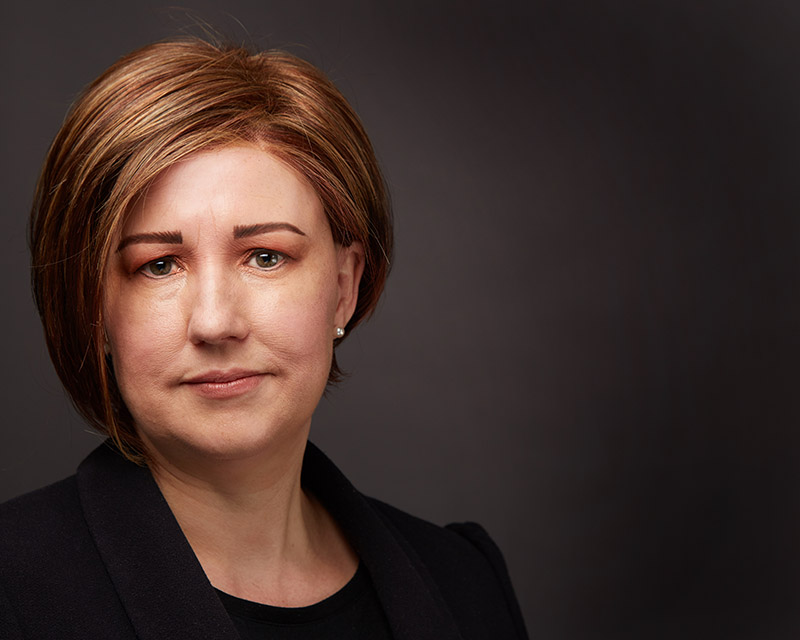
Susan Love – Strategic engagement lead at ACCA Scotland
Scottish finance professionals have revealed that purpose, not pay, is a defining factor in how they make career decisions, choose employers and measure their own success.
The insight comes from ACCA’s annual talent survey of more than 11,000 finance professionals across 160 countries and Scottish accountants did not hold back.
The findings from ACCA’s annual Global talent trends survey reveal that 52% of Scottish finance professionals want roles that make a difference to social impact, while 48% want their work to contribute to addressing the environmental and climate challenge.
Crucially, many are already there, as one in three say their current role is helping their employer address environmental and climate issues, and 39% say they are actively contributing to social impact work.
The shift reflects a fundamental change in how finance professionals understand their value and their potential. Where accountants were once primarily scorekeepers of business performance, they are increasingly being asked to help organisations define what performance means: balancing profitability with ethics, environmental responsibility and social value.
Social impact matters in Scotland, where 65% say an employer’s reputation on social and human rights is a key factor in where they choose to work. While, when asked about which marker of diversity they believe is a priority, Scottish respondents highlight social mobility as a top priority, at double the rate of the UK average.
The survey also highlighted the continued evolution of working patterns post-Covid. While Scotland led the world with 73% of respondents working in a hybrid way three years ago (mixing time in the office and home working), this figure has reduced to 60% in 2026, below the UK average of 65%. And while 72% of Scottish respondents would prefer to be working in a hybrid pattern, over half (55%) agree that organisations should require people to spend at least some days each week.
Jamie Lyon, global head of skills, sectors and technology at ACCA, said: “One of the key themes we continue to see across Scotland and the globe this year is how accountants have ambitions around making a difference on social impact issues through the work they perform.
“It’s great to see that many are already contributing to this agenda through their current finance jobs. It’s more evidence of how roles and career paths in accountancy continue to transform and broaden out.”
The implications for employers are significant. With 44% of respondents in Scotland expecting their next career move to take them outside their current workplace, and 44% dissatisfied with their current level of pay, organisations that cannot offer meaningful work alongside competitive pay face a compounding retention problem.
Susan Love, strategic engagement lead at ACCA Scotland, added: “This survey gives a wealth of data about the accountancy workforce, including views on workers’ ambitions, and their concerns on everything from mental health to job security – all valuable intelligence for organisations competing to employ the best finance talent.
“Crucially, finance professionals in Scotland are ambitious, and are no longer willing to separate their technical expertise from the broader impact of their work.”
Now in its fourth year, ACCA’s Global talent trends survey is the largest annual survey of accountancy and finance professionals worldwide, covering respondents across 160 countries on issues including career ambition, sustainability, intergenerational collaboration and workplace wellbeing.
Other interesting UK report findings:
- Changing demographics mean there could be up to six generations in the finance workforce – but a third (31%) say current cross-generational collaboration is a challenge.
- Only 30% of respondents in Scotland have entrepreneurial ambitions - far lower than globally (54%) and in the UK (36%)
- 44% say their mental health suffers due to work pressures causing mental health progress to flatline this year.
- Gen Z leads return to office momentum, but hybrid working arrangements remain the preference of most.

Share this article:

Subscribe to our newsletter to not miss articles like this one:
 SUBSCRIBE