
SpaceX surge lifts Scottish Mortgage to pre-crash peak
 Reading time: 3 minutes
Scottish Mortgage Investment Trust has reported a strong set of annual results, with its share price returning to the November 2021 high it set before the 2022 growth-stock crash, as a soaring valuation for Elon Musk’s SpaceX powered the Baillie Gifford flagship to its full recovery.
For the year to 31 March 2026, the FTSE 100-listed trust delivered a net asset value total return of 27.4% and a share price total return of 26.8%, significantly outperforming the FTSE All-World Index’s 18.0%. The result completes a roughly 30-month rebound for the shares, which had clambered from an April 2023 low of 628p back to their previous peak.
In early trading after the results, the shares firmed 0.6%, or 8.8p, to £15.28 exactly, having risen 54.5% in the past 12 months.
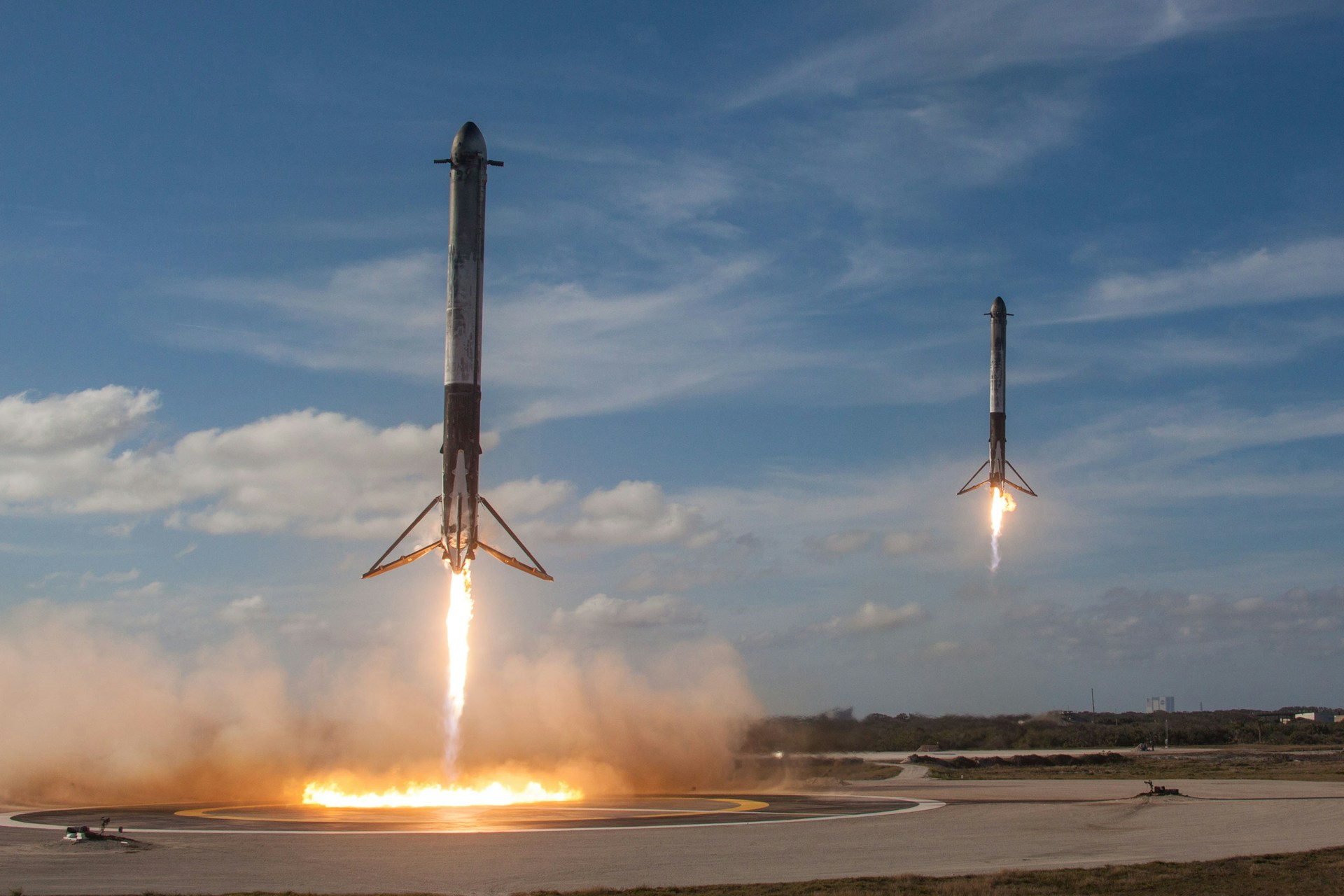
The standout driver was SpaceX, Musk’s rocket, satellite and artificial intelligence group, which by the financial year-end had become the portfolio’s largest position by a considerable margin. The holding had a 19% weighting at the financial year-end, an unusually concentrated position for the trust, and one that has gained further significance as the company counts down to a $1.75 trillion (c. £1.3tn) flotation next month.
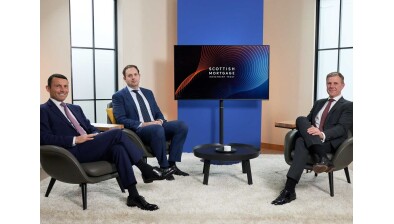
Manager Tom Slater defended the size of the holding while underlining its long-term potential. “SpaceX should no longer be thought of as an aerospace contractor but as a dual monopoly: the world’s dominant launch provider and a global connectivity utility with the potential for software-like margins,” he said, pointing to the Starlink satellite communications subsidiary as the principal driver of the valuation and noting that the acquisition of xAI added a dimension the market was only beginning to price in.
On the balance sheet, the trust described its financial position as robust. Gearing reduced slightly to approximately 11% and the cost of debt stood at around 3.6%. The discount to net asset value widened modestly to 9.5% at the year-end, although the shares have since traded at a premium. The board is proposing a 4.3% rise in the dividend to 4.57p.
Cost discipline remained a central theme. Chairman Christopher Samuel, who has been on the board since late 2024 and chair since January 2025, stressed that ongoing charges remained very low at approximately 0.33%, with no performance fees, arguing that few vehicles offer exposure to both listed and private growth companies in a single, liquid portfolio at such a low cost.
Following the year-end, the trust updated its investment policy to allow for an additional £250 million in private company investments, a move Mr Samuel characterised as a modest but important evolution designed to avoid forgoing attractive follow-on opportunities in exceptional private businesses.
Mr Samuel framed the year’s performance as evidence of the value of access to leading private companies, noting that a small number of exceptional investments can drive long-term returns.
Looking ahead, Mr Samuel struck a cautious note on the wider backdrop, citing geopolitical tensions, evolving economic policy and structural shifts in markets, and warning that supply chains, capital flows and regulatory environments were all in flux. Chair commentary in the results pointed to what “may prove to be a once-in-a-generation shift in technology, with value being reallocated across the global economy”.
The annual general meeting will be held at the National Galleries of Scotland on 2 July.

Share this article:

Subscribe to our newsletter to not miss articles like this one:
 SUBSCRIBE