
UK inflation slows to 3% as raising hopes for March rate cut
 Reading time: 2 minutes
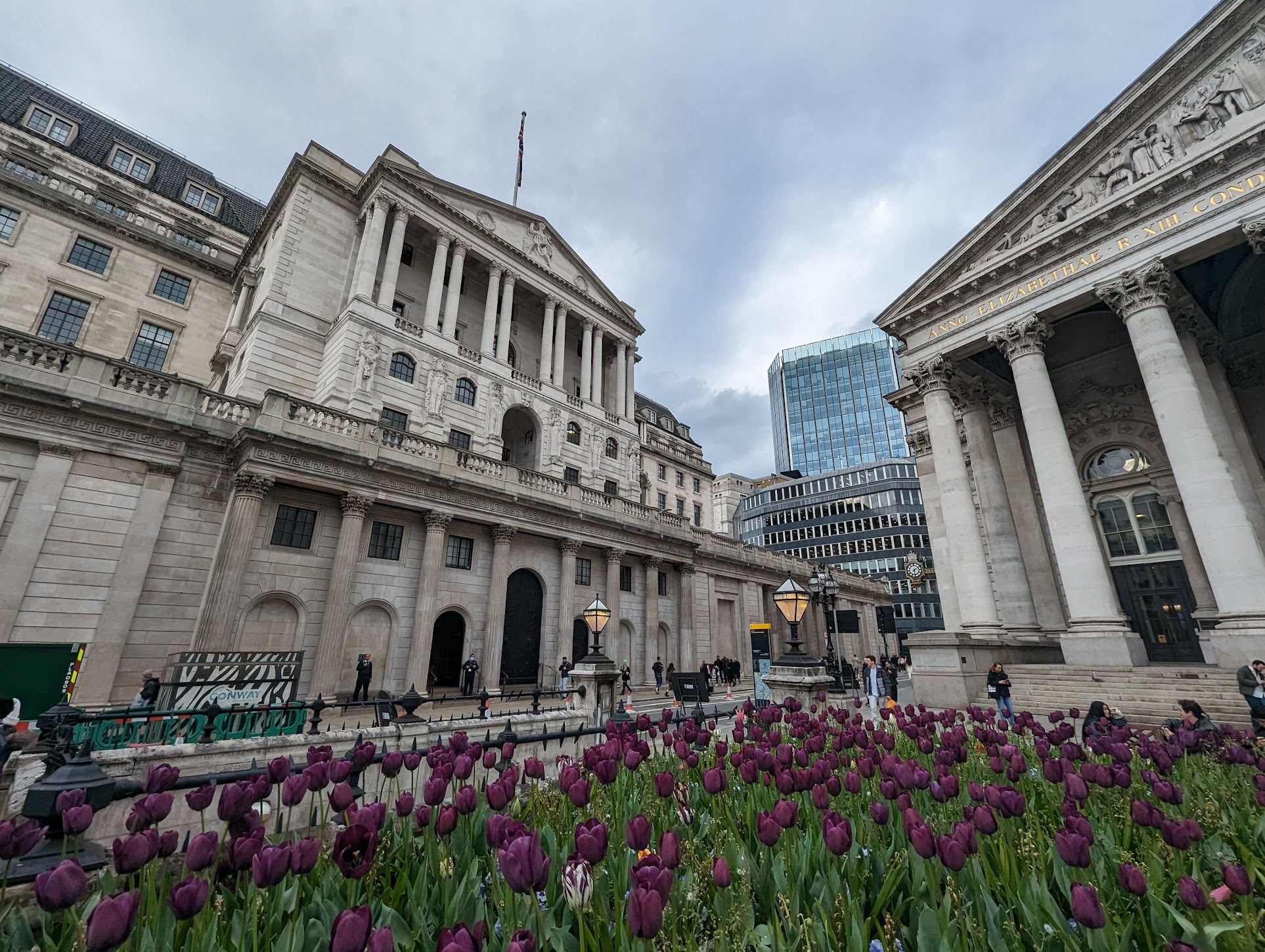
The Bank of England (credit: George Iordanov-Nalbantov)
UK inflation has eased to 3% in January, reaching its lowest level since March 2025 and sparking renewed debate over the timing of a Bank of England interest rate cut.
According to the Office for National Statistics (ONS), the slowdown from December’s 3.4% was primarily driven by falling petrol prices, air fares, and a sharp deceleration in food inflation, which reached a nine-month low of 3.6%. ONS chief economist Grant Fitzner noted that while lower costs for bread, cereals, and meat helped pull the rate down, these were partially offset by the rising cost of takeaways and hotel stays.
The data has intensified speculation that the Monetary Policy Committee may reduce the current 3.75% base rate as early as next month. Luke Bartholomew, deputy chief economist at Aberdeen, argued that while services inflation remains slightly stubborn, a softening labour market should clear the way for a March reduction.
However, some analysts remain cautious regarding the underlying data. Matt Swannell, chief economic advisor to the EY ITEM Club, pointed out that core services inflation – the Bank of England’s preferred metric – actually rose, and suggested the figures do not yet offer a “clear signal” for the exact timing of the next move. Despite this, Yael Selfin, chief economist at KPMG, anticipates further downward pressure on inflation in April, citing the combined impact of government energy packages and falling wholesale gas prices.
From a consumer perspective, Kevin Brown of Scottish Friendly noted that while the return to a downward trend is positive, households must remember that easing inflation does not mean prices are falling, merely rising more slowly.
Mr Brown said: “Even at 3%, prices are still rising meaningfully year on year. Compounded over time, that continues to shape the real value of savings.
“For borrowers, this strengthens the case for the Bank of England’s Monetary Policy Committee to trim rates in March. For savers, the picture becomes more nuanced. As inflation falls, interest rates are also likely to continue to ease, which could narrow the window for locking in attractive cash returns.
“Cash provides stability and plays an essential role in short-term planning. But when inflation is persistent, preserving purchasing power over the long term may require looking beyond cash alone. Considering investing can be one way to potentially help savings keep working over time, rather than gradually losing ground.”

Share this article:

Subscribe to our newsletter to not miss articles like this one:
 SUBSCRIBE