
Azets: Tax alignment would benefit Scots
 Reading time: 3 minutes
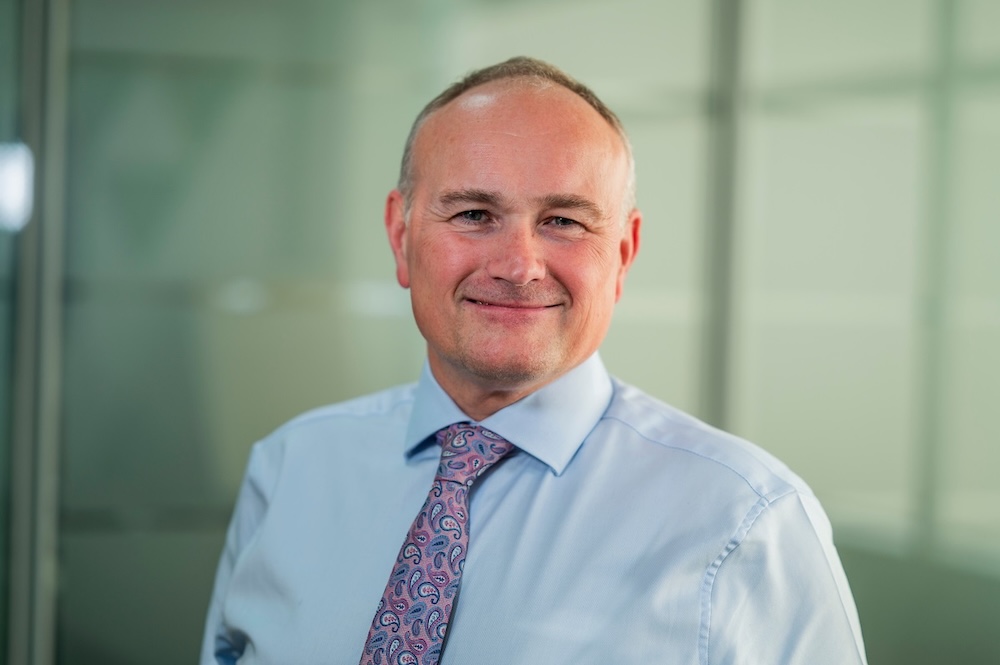
Donald Parbrook
Ahead of the draft Scottish Budget, due to be unveiled in Holyrood on 13 January 2026, Donald Parbrook, tax partner at Azets, argues now is the ideal time to simplify Scotland’s complex tax rules and achieve better alignment between the country and England.
Mr Parbrook said: “While our fiscal position may leave Shona Robison, the outgoing SNP finance minister, with relatively few options, taxpayers in Scotland surely find the Scottish income tax rates and bands system needlessly complicated.
“The rest of the UK has three income tax bands of 20%, 40% and 45%, but Scotland has no fewer than six rates, with different thresholds (19%, 20%, 21%, 42%, 45% and 48%).
“That is complicated enough, yet Scottish taxpayers also have to remember some tax is not devolved, and must therefore apply the normal UK tax bands and thresholds to their dividend and savings income. It can all be rather confusing. People need a clearer tax road map.”
The complexity also affects rental income, explained Mr Parbrook. “Rachel Reeves announced UK-wide changes for rental income taxation,” he said. “This will create rates of 22%, 42% and 47%. If the 2% differential is replicated in Scotland we will have 12 Scottish rates on income, as well as three UK normal ones – so a total of 15 rates could be relevant to a single taxpayer.
“This cannot be truly necessary, and it’s all before you draw national insurance contributions into the mix or remember dividend income has different rates too.”
Another issue Azets highlights is that the Scottish higher rate tax threshold is over £6,500 lower than the rest of the UK’s £50,270.
“The higher UK threshold is aligned with the point that employees’ national insurance drops from 8% to 2%,” said Mr Parbrook. “The result is that in Scotland workers earning around £50,000 are losing 50% of their top slice of earnings (42% tax and 8% national insurance) while their English equivalent pays 28% with around £100 a month difference in net pay for that issue alone.
“The Scottish tax differentials also see an effective tax and NIC rate of 69.5% on a slice of income above £100,000 due to the way the personal allowance is tapered. These are eye-watering rates and may leave those with the broadest shoulders feeling legitimately frustrated. Pension contributions remain an effective mitigation tool for many, but not all.
“Shona Robison has announced she will not stand as an MSP in the May elections and perhaps our plea to her in her final Budget is that even if Scottish taxpayers require to pay more tax in order to enjoy the benefits of devolved decisions, it is an ideal time to reduce the number of rates of tax in play and to align the higher rate threshold in particular with the rest of the UK.”
Donald advised that if individuals have any queries or concerns around tax, it is always a good idea to take professional advice.

Share this article:

Subscribe to our newsletter to not miss articles like this one:
 SUBSCRIBE