

Bailey signals rates to hold steady as ‘constrained discretion’ guides inflation fight
 Reading time: 2 minutes
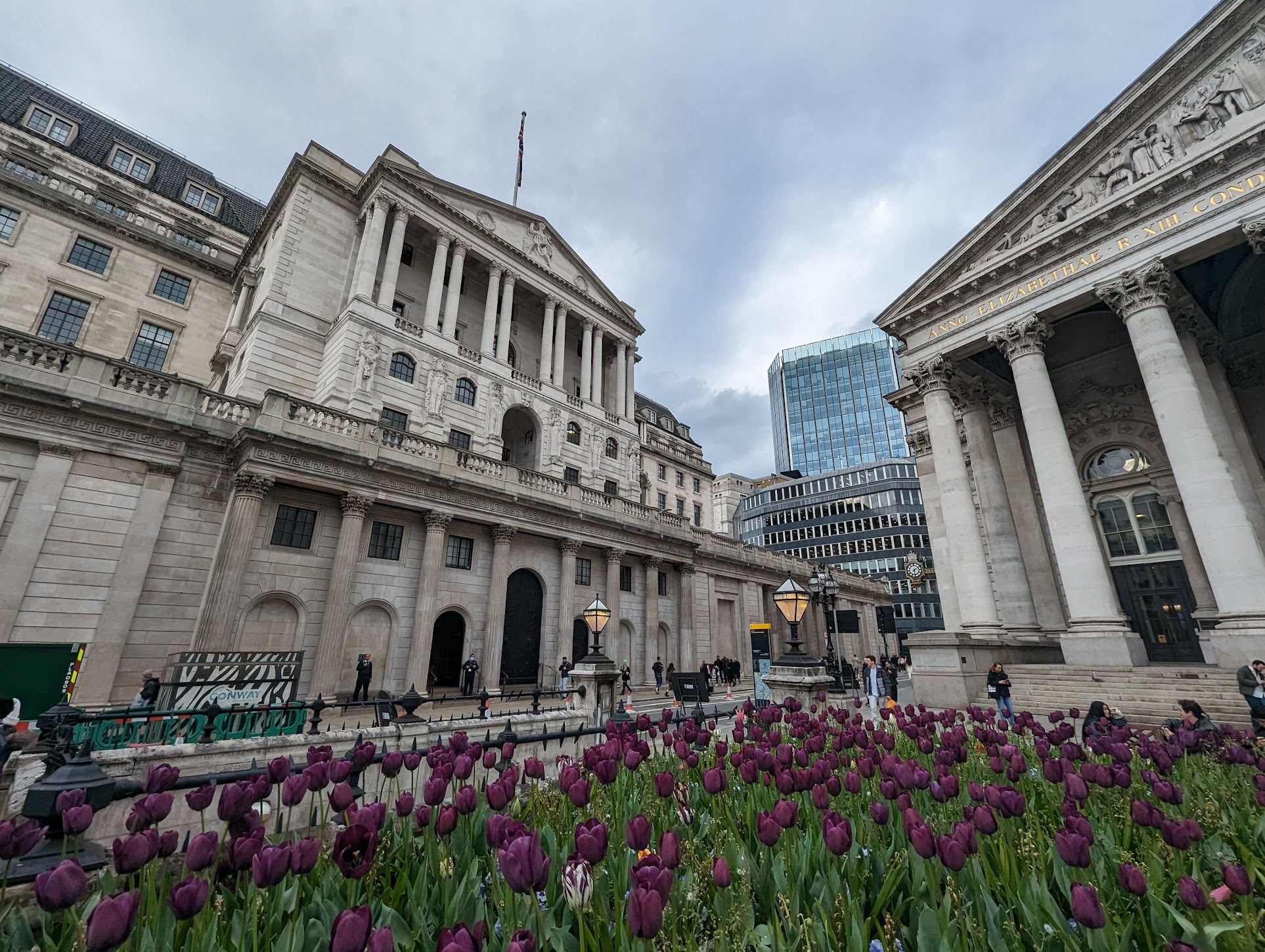
The Bank of England (Credit: George Iordanov-Nalbantov)
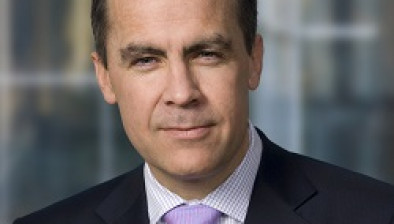
The Bank of England (BoE) is minded to hold interest rates steady despite the inflationary pressures triggered by the Middle East conflict, as Governor Andrew Bailey confirmed that the withdrawal of anticipated rate cuts has already effectively tightened monetary policy.
Speaking at the Reykjavík Economic Conference, Mr Bailey argued that the central bank will exercise “constrained discretion” to look through the immediate energy price shock.
Although the curtailment of shipping through the Strait of Hormuz unexpectedly drove UK inflation to 2.8% in April, the Monetary Policy Committee remains reluctant to raise the bank rate. The governor emphasised that pushing rates higher now could inflict undesirable volatility on an already sluggish UK economy.
Instead, the BoE is intently focused on preventing second-round effects, such as wage-price spirals, which can occur when elevated living costs become embedded in domestic inflation. However, Mr Bailey reassured delegates that continued weakness in the broader UK labour market – characterised by a five-year low in job vacancies and a 5% unemployment rate – significantly mitigates this risk.
As a net importer of energy, the UK is facing worsened terms of trade and falling real incomes, which naturally suppresses consumer demand and lessens the need for direct intervention.
An official rate hike appears unnecessary because the BoE’s hawkish shift in messaging has already delivered the desired economic cooling. At the start of the year, financial markets had confidently priced in three 0.25% rate cuts for 2026. By firmly taking those reductions off the table, the bank forced private lenders to reprice risk, leading to the withdrawal of cheaper credit facilities and an immediate rise in quoted mortgage rates.
Mr Bailey noted that this rapid market adjustment has already tightened financing conditions across the economy, demonstrating that the bank can maintain its nominal anchor without resorting to further rate hikes.

Share this article:

Subscribe to our newsletter to not miss articles like this one:
 SUBSCRIBE