
Chancellor summons bank bosses amid Iran war fallout
 Reading time: 2 minutes
Chancellor Rachel Reeves is convening a summit with the heads of UK banks this Wednesday to address the economic fallout from the war in Iran.
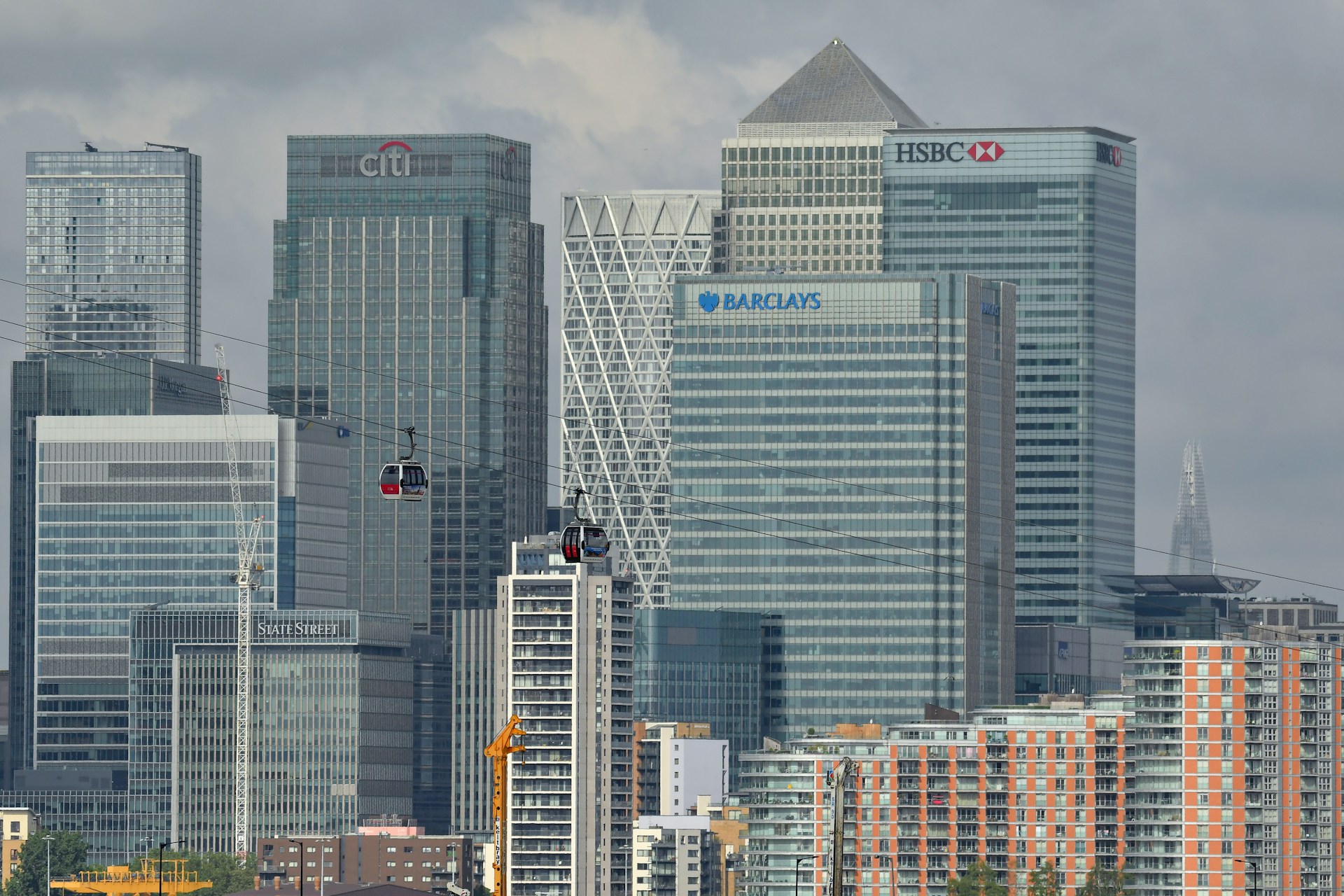
The Chancellor has invited executives from Barclays, HSBC, Lloyds, NatWest, Santander UK and Nationwide to the meeting, which will include figures such as NatWest chief Paul Thwaite, Lloyds’ Charlie Nunn, Nationwide boss Debbie Crosbie, Barclays retail head Vim Maru, and Santander UK’s new chief Mahesh Aditya.
The gathering comes at a particularly turbulent moment for the UK economy. Earlier this month, the International Monetary Fund handed the UK its largest growth downgrade of any G7 nation, cutting its forecast by 0.5 percentage points as conflict in the Middle East keeps energy prices elevated. Though figures from the Office for National Statistics showed the economy growing at 0.5% ahead of the war, stronger than expected, economists were quick to temper enthusiasm, with former Treasury economist Martin Beck describing the data as “the calm before the storm”.
The timing also coincides with banks preparing to release their first-quarter results, in which Middle Eastern volatility is expected to feature prominently as lenders raise provisions for loan losses. Barclays reports first on 28 April, followed by Lloyds on 29 April and NatWest on 1 May.
According to a note from RBC, Barclays faces the greatest exposure to economic downgrades owing to its comparatively optimistic macro forecasts. The bank projects 2026 growth at 1.1%, against Lloyds’ more cautious 0.7% and an independent consensus of around 1%.
Geopolitical conditions have meanwhile deteriorated further, with Iran re-closing the Strait of Hormuz over the weekend following a US naval blockade, and President Trump renewing threats to target Iranian power plants as a ceasefire deadline approaches on Wednesday.
Beyond the immediate economic agenda, banks are expected to press the Chancellor on financial regulation, particularly the ring-fencing regime introduced after the 2008 financial crisis, which requires lenders to separate retail and investment banking operations. The threshold for ring-fencing was raised from £25bn to £35bn in October 2024, but senior bank executives at HSBC, Santander, NatWest and Lloyds have written to Ms Reeves calling the framework “redundant”.
Barclays chief executive CS Venkatakrishnan has broken ranks with his peers, arguing that the depositor protections the regime affords the country outweigh its costs.

Share this article:

Subscribe to our newsletter to not miss articles like this one:
 SUBSCRIBE