
Written by:

Distillers toast £150m reprieve as Trump drops whisky tariffs
 Reading time: 4 minutes
Written by:
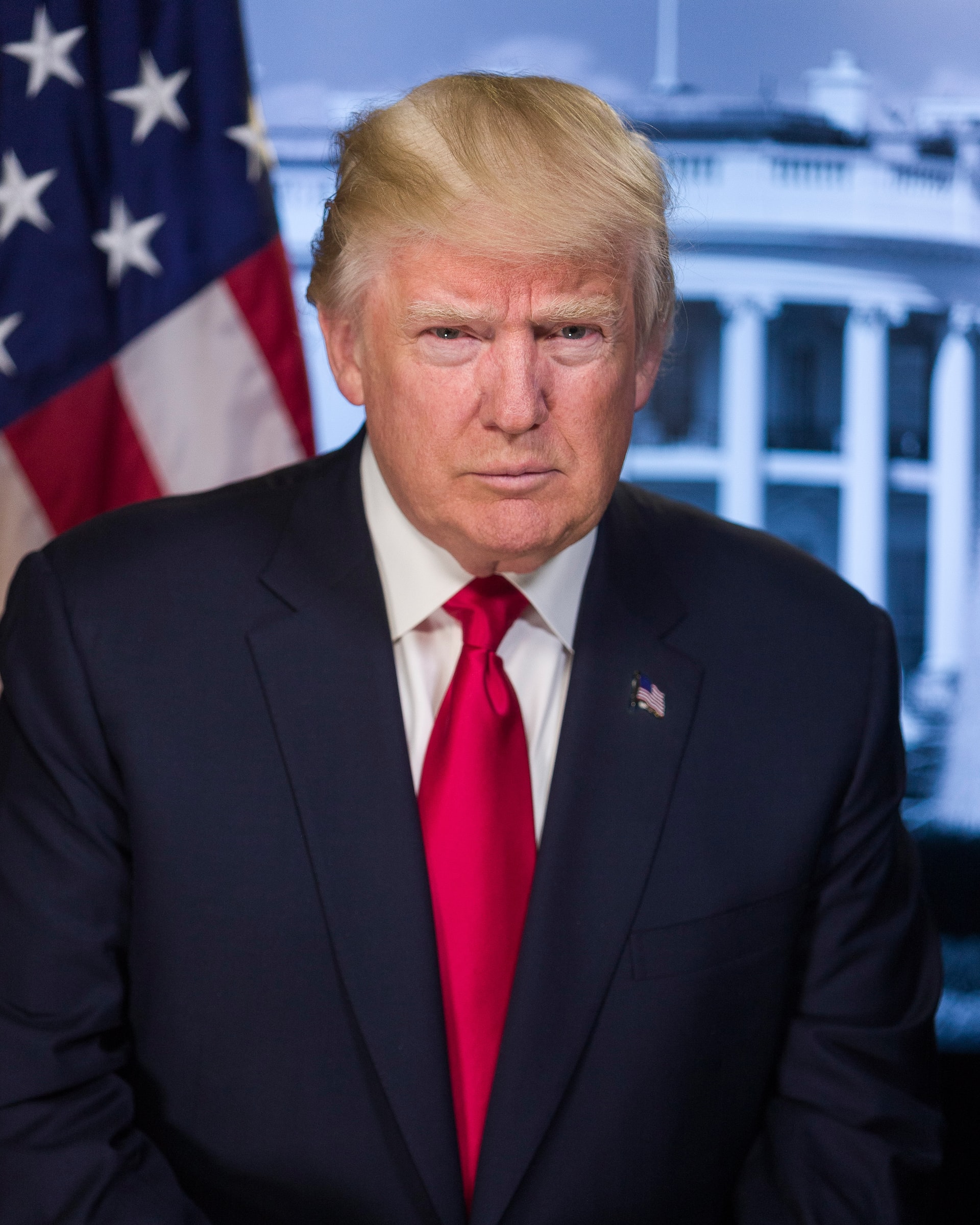
US President Donald Trump
US President Donald Trump has announced the removal of tariffs on Scotch whisky imports, in a move that distillers have described as a significant boost for an industry that had been losing millions of pounds a week in the world’s most lucrative export market.
The decision, unveiled on Truth Social shortly after King Charles III and Queen Camilla concluded their four-day state visit to Washington, was framed by the President as a personal gesture to the monarch.
“The King and Queen got me to do something that nobody else was able to do, without hardly even asking,” Mr Trump wrote, adding that he was lifting the duties “in honor” of the departing royals. Speaking to reporters in the Oval Office, the President said he had “took all the restrictions off, so Scotland and Kentucky can start dealing again”.
Buckingham Palace responded warmly, saying the King had been informed of the “warm gesture” and was grateful for a decision that would make a meaningful difference to the British whisky industry and the livelihoods it supports.
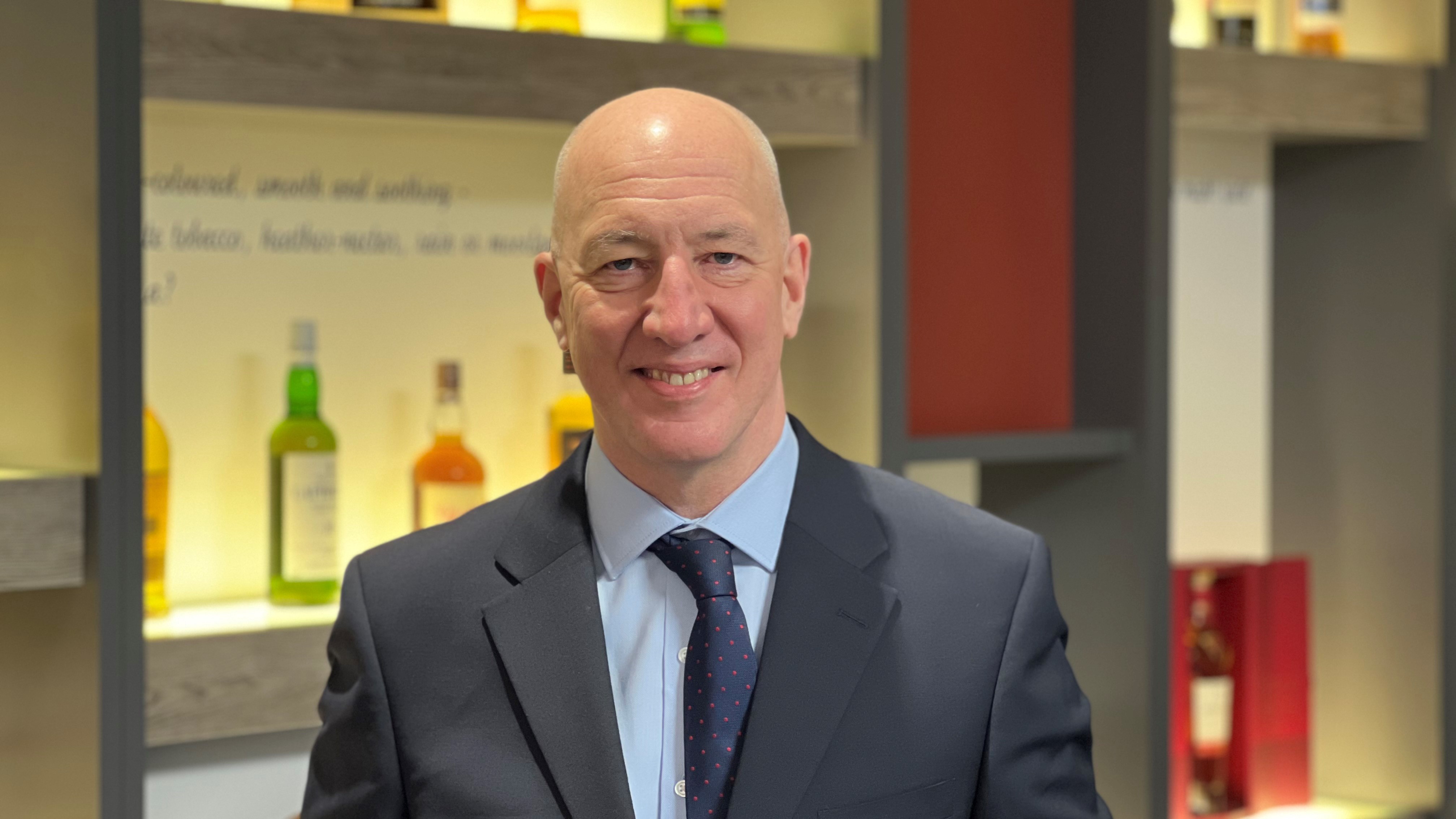
Mark Kent – Chief executive of the Scotch Whisky Association
Industry leaders welcomed the announcement with palpable relief. Mark Kent, chief executive of the Scotch Whisky Association (SWA), said the deal represented “a significant boost for the Scotch Whisky industry in our most valuable export market”, and added that distillers could “breathe a little easier during a period of significant pressure on the sector”.
He praised the sustained efforts on both sides of the Atlantic to “return zero-for-zero tariff trade for whisky and bourbon”, noting that the special relationship between the Scotch and American whiskey industries would be “reinvigorated by this announcement”.
Acknowledging that challenges remained, Mr Kent said the sector could now “redouble our efforts to boost the benefits our two great industries bring to communities across Scotland and the US”.
The financial scale of the relief is considerable. Graeme Littlejohn, SWA director of strategy and communications, said the trade body estimates the 10% tariff had been costing the industry roughly £4 million a week in lost exports, amounting to about £150m over the past year.
A long and bumpy road for whisky tariffs
The current tariff saga has its roots in a decades-long aerospace dispute.
In October 2019, during his first term in office, President Trump imposed a 25% tariff on single malt Scotch whisky as part of a broader package of retaliatory duties stemming from the long-running Boeing-Airbus row at the World Trade Organization.
The dispute, which dated back to 2004, centred on allegations that European governments had unfairly subsidised Airbus to the detriment of American plane maker Boeing. Although the UK had by then left the European Union, it remained a major participant in the Airbus consortium and was caught in the crossfire.
The original 25% levy proved deeply damaging. The Scotch Whisky Association estimated that the duties cost the industry more than £600 million in lost exports during the roughly 18 months they were in force, with the US representing by far the most valuable single market for Scottish distillers.
Relief came in June 2021, when the Biden administration and the UK government agreed to suspend the retaliatory tariffs for a period of five years. Liz Truss, who was International Trade Secretary at the time, and US Trade Representative Katherine Tai announced the deal, which was widely welcomed across the Scottish industry and allowed exporters to focus on rebuilding sales rather than absorbing punitive costs.
The UK reciprocated in June 2022 by removing its own 25% retaliatory tariff on American whiskey, restoring something close to a zero-for-zero trading environment between the two nations.
That settlement was disrupted again in 2025, when President Trump returned to the White House and unveiled his so-called “liberation day” tariffs. The UK became the first country to negotiate a trade deal with the new Trump administration, but the terms included a 10% blanket tariff on goods imported into the US, which overrode the pre-existing zero-tariff regime and slapped fresh duties onto Scotch whisky exports.
The industry had also been facing the prospect of the original 25% single malt tariffs snapping back later this year, when the five-year suspension agreed in 2021 was due to expire.
Thursday’s announcement removes that immediate pressure, though the UK government has clarified that the relief applies specifically to whisky and not to related products such as the wooden barrels exchanged between Scottish distillers and Kentucky bourbon producers. The change is also understood to apply to Irish whiskey.
For an industry that has spent the better part of seven years navigating the consequences of disputes largely unconnected to its own affairs, the latest reprieve has been hard-won. Whether it proves more durable than the last settlement may depend, as ever, on the broader currents of transatlantic trade policy.

Share this article:

Subscribe to our newsletter to not miss articles like this one:
 SUBSCRIBE