
Oil surges past $105 a barrel, sending global markets into retreat
 Reading time: 3 minutes
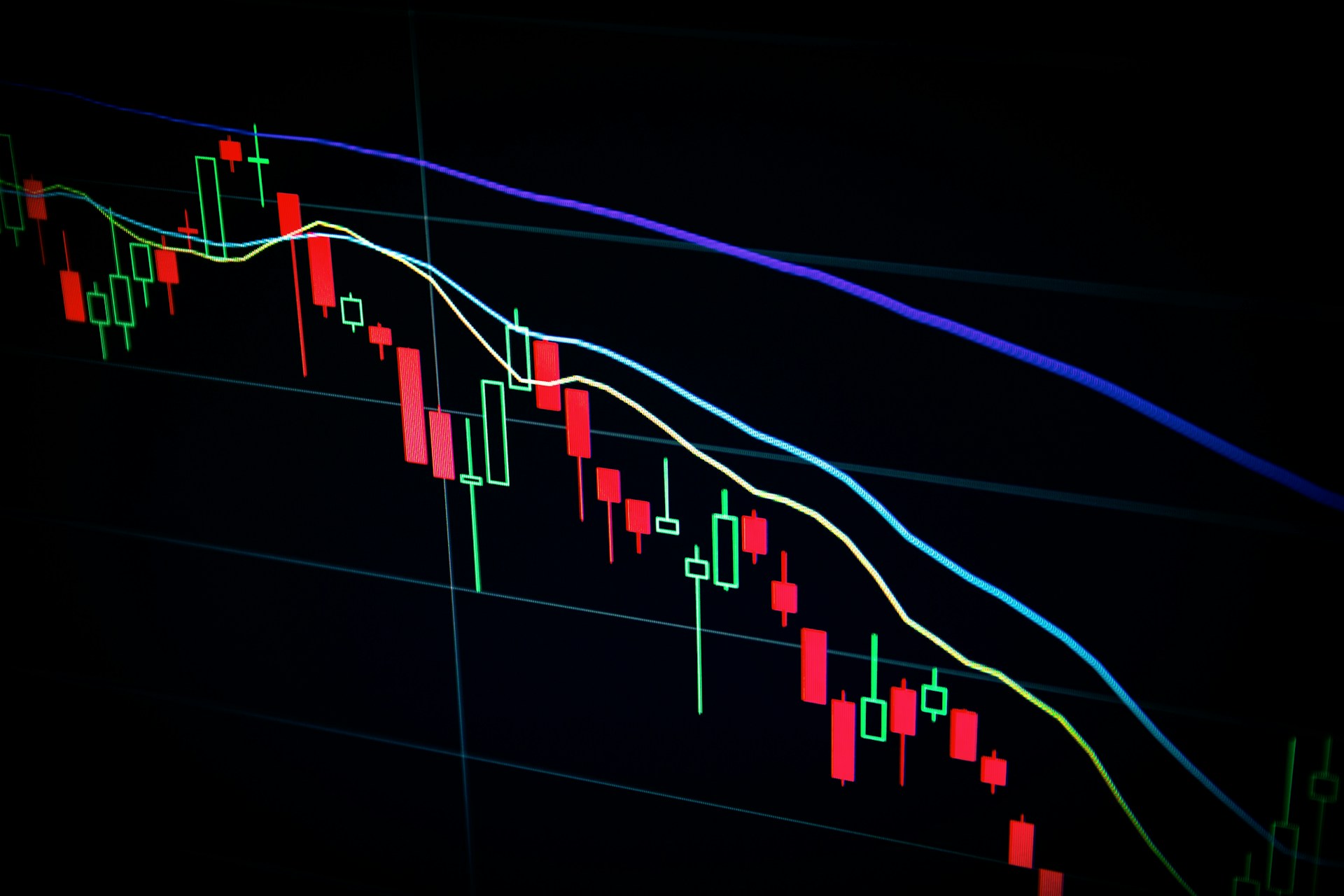
Oil prices have surged past $105 (c. £78.5) a barrel, touching a high of $119 (c. £89), as global markets face the mounting economic consequences of an escalating geopolitical conflict.
Asian indices posted steep declines, with the Nikkei 225 and Kospi dropping over 5% on Monday, and European markets recording drops of over 1% as investors began to grapple with the potential impact of soaring energy costs on the global economy.
Adrian Murphy, CEO of Murphy Wealth, said: “Last week, global stock markets were relatively sanguine in the face of an escalating conflict.
“But today, reality has begun to hit, with steep declines on Asian indices and falls across Europe as fears grow over the potential impact of surging oil prices on the global economy.”
Mr Murphy was keen to place the current turmoil in historical context, noting that markets have weathered severe shocks before and recovered. “Volatility is an uncomfortable feeling for investors, but it is worth putting this in some context,” he said. “Even in recent years, markets have seen major downturns from events like ‘liberation day’, Russia’s invasion of Ukraine, and the Covid-19 pandemic – but in each instance they have bounced back.”

Adrian Murphy
He pointed to the long-run record of the S&P 500 as evidence that short-term disruption need not derail long-term investment strategies. “The S&P 500 has declined at least 20% on more than 20 occasions, but it has also delivered an average annual return of more than 10% since 1957,” Mr Murphy noted. “Investing for the long-term inevitably means going through multiple periods of political and economic challenges, and the corresponding market turmoil.”
For Mr Murphy, the current environment calls for adherence to enduring investment principles rather than reactive decision-making. “In times like these, there are some evergreen principles that apply,” he said. “Whether it has been double-digit inflation, financial crises, or a global pandemic, markets have proven resilient. Dealing with uncertainty is one of the reasons investors earn a return over time – and, as the old adage goes, it is about time in, rather than timing, the market.”
Mr Murphy cautioned against the common impulse to move into cash during periods of instability. “Many investors consider selling their investments during periods of uncertainty and holding cash until there is more stability,” he said. “But that is just another form of market timing and has proven to be self-defeating – downturns are often followed by periods of strong growth, for example after the tariffs uncertainty last year.”
He acknowledged the fundamental unpredictability of geopolitical events whilst emphasising the value of preparedness.
“We cannot predict when events like those of the last week or so will occur, what form they will take, and to what extent they will impact your investments,” Mr Murphy said. “However, we can prepare for them by investing in diversified, flexible portfolios and remaining focused on the long term throughout periods of short-term uncertainty.”
Mr Murphy concluded with a reminder that sound financial planning is built on consistency rather than reaction. “Good financial planning is rarely about reacting to events like these,” he said. “It is about making sure you have a plan that supports your long-term financial goals and sticking to it – even if there are bumps along the way.”

Share this article:

Subscribe to our newsletter to not miss articles like this one:
 SUBSCRIBE