

Written by:

Non-financial businesses raised almost no net finance in July
 Reading time: 5 minutes
Written by:
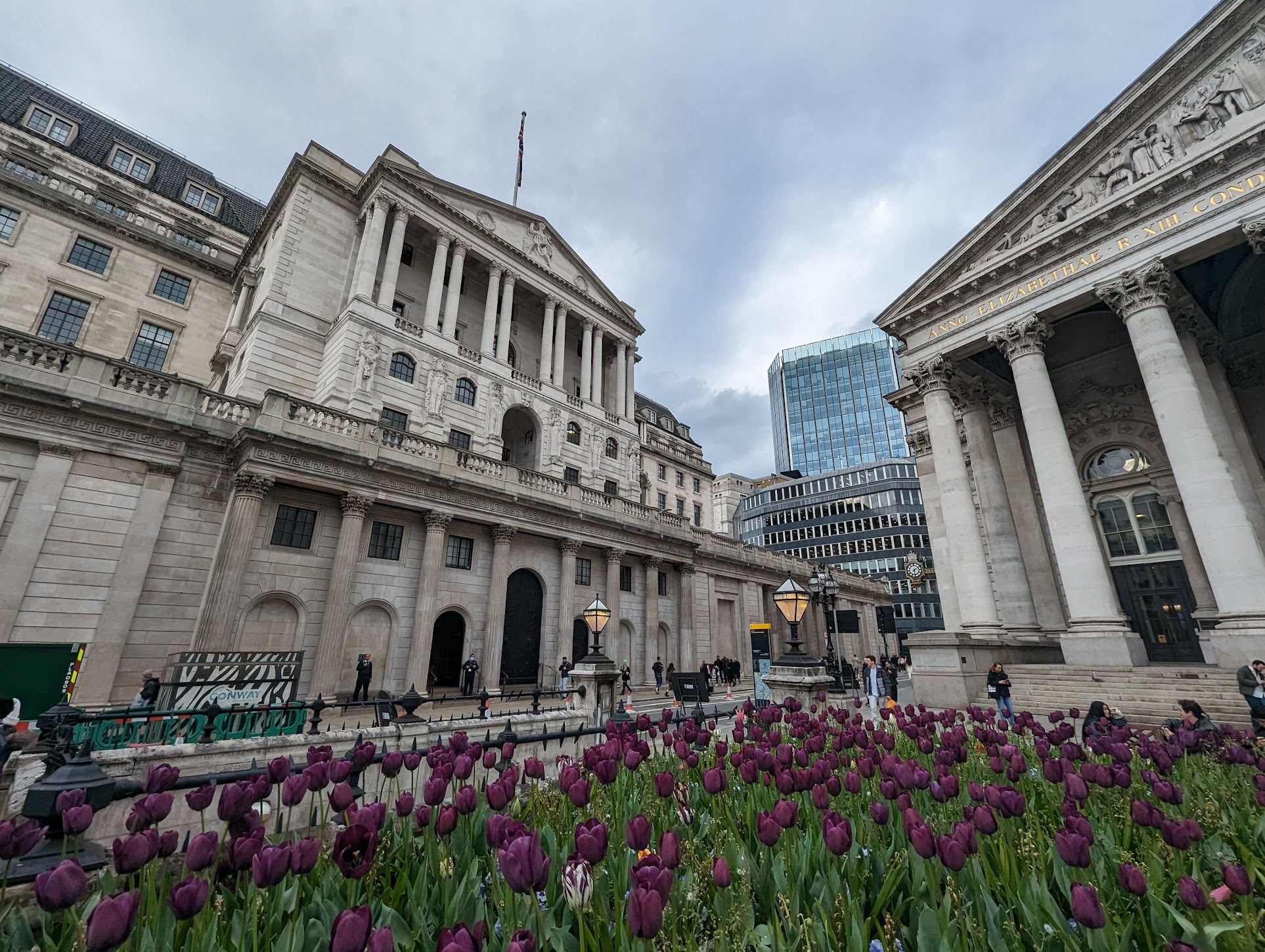
The data was published by the Bank of England
Private non-financial corporations (PNFCs) raised almost no net finance in July, a sharp turn from June’s £2.4bn of net repayments, according to a new report.
Statistics released by the Bank of England’s money and credit report showed that bank lending to businesses, including overdrafts, and covering both PNFCs and public corporations, rose slightly to £1.8bn net in July, up from £1.6bn in June.
Within the report’s separate net finance measure, however, which excludes overdrafts but includes bond and equity markets, PNFCs’ overall position was close to flat.
This was driven by £2.3bn of net bond redemptions, £900m of net repayments through bank and building society loans, and £800m of net equity buybacks, partially offset by £1.0bn of net commercial paper issuance.
In July, UK non-financial businesses withdrew £9.2bn from banks and building societies in all currencies, following net deposits of £24.4bn in June. The effective rate on new time deposits from PNFCs remained unchanged at 3.47% in July, with the effective rate on stock sight deposits also remaining unchanged at 1.97%.
The Bank of England revealed that the annual growth rate of borrowing by large businesses decreased to 9.4% in July, from 10.5% in June, while SME borrowing growth remained unchanged at 4.1%.
Mortgage borrowing also fell and rates rose in July. Net borrowing of mortgage debt by individuals decreased to £4.3bn in July, from £7.7bn in June, below the previous 6-month average of £5.3bn.
The number of mortgage approvals for house purchases decreased to 56,100 in July, below an average of around 60,800 over the previous 6-months. Approvals for remortgaging increased to 34,500 in July, from 34,100 in June.
Meanwhile, the net borrowing of consumer credit by individuals increased to £2.0bn in July, from £1.9bn in June, slightly above the previous 6-month average of £1.9bn.
Within this, net borrowing through credit cards was £0.9bn in July, down from £1.0bn in June. Net borrowing through other forms of consumer credit (such as car dealership finance and personal loans) increased to £1.1bn in July, from £900m in June.
The report also found that households deposited £2.2bn into ISAs, £1.1bn into non-interest-bearing deposit accounts and £100m into interest-bearing time deposits. These increases were partially offset by withdrawals of £3.5bn from interest-bearing sight deposit accounts.
The net flow of sterling money (known as M4ex) decreased to -£10.1bn in July, from £15.5bn in June. Non-intermediate other financial corporations (NIOFCs) decreased their holdings of money by £14.0bn. This was partially offset by Households and PNFCs increasing their holdings of money by £3.8bn and £100m respectively.
The flow of sterling net lending to private sector companies and households (M4Lex) decreased to £0.0bn in July, following an increase of £39.1bn in June. July’s lending was mainly driven by Households and PNFCs borrowing £5.1bn and £1.9bn respectively, compared with £8.0bn and £2.6bn in June. These increases were offset by NIOFCs repaying £7.0bn.
Sarah Coles, head of personal finance at AJ Bell, said: “The summer holidays are always more of a time for spending than for saving, so it’s hardly surprising a significant chunk of cash was withdrawn from easy-access accounts to cover the cost of sun cream and holiday clubs. Meanwhile, weakness is spreading in the mortgage market, as higher rates and lower buyer confidence weighed on purchases.
“Cash ISAs bucked the withdrawal trend. The £2.2 billion paid into these accounts wasn’t a particularly notable sum, and is significantly below the amount paid in during July for the previous two years. However, this isn’t the end of the dash for Cash ISAs. Savers and investors tend to be highly motivated by a deadline, and from April 2027 savers under 65 will see their annual Cash ISA allowance reduced from £20,000 to £12,000. That means we can expect Cash ISA enthusiasm to build again as the summer fades and the end of the tax year gets closer.
She added: “The average rates on fixed deals fell in July, which is striking given the rates on offer right now. If you’re able to tie your money up for a year, you can make 4.9% in the most competitive accounts, and if you don’t need it for three or more years you can get an account paying 5%. Meanwhile the average rate for easy-access accounts was stuck at 1.65%, while the best on the market (excluding those with a bonus that lasts less than a year) offers 4.55%, according to Moneyfacts. It goes to show why it’s so important to look beyond the high street and shop around for a better deal using online banks and cash hubs.”
“The traditional holiday lull dragged mortgage approvals lower, which doesn’t bode well for the property market in the coming months. It didn’t help that mortgage rates rose during July, as conflict in Iran made for volatile oil prices and fluctuating interest rate expectations. More recently, the quieter property market has meant little change for mortgage rates.
“In a market like this it’s hardly surprising that buyers and sellers may be in no hurry to make a move, so it will be interesting to see whether we get a traditional autumn pick up in activity, or whether the sluggishness that set in during the summer is here to stay. If your plans are on pause, it’s worth using the opportunity to put yourself in the best possible position to buy – whether that’s by topping up a Lifetime ISA or working on your emergency savings.”

Share this article:

Subscribe to our newsletter to not miss articles like this one:
 SUBSCRIBE