
Profits up 12% to £2bn at NatWest as group prioritises wealth and AI
 Reading time: 3 minutes
(Credit: George Iordanov-Nalbantov)
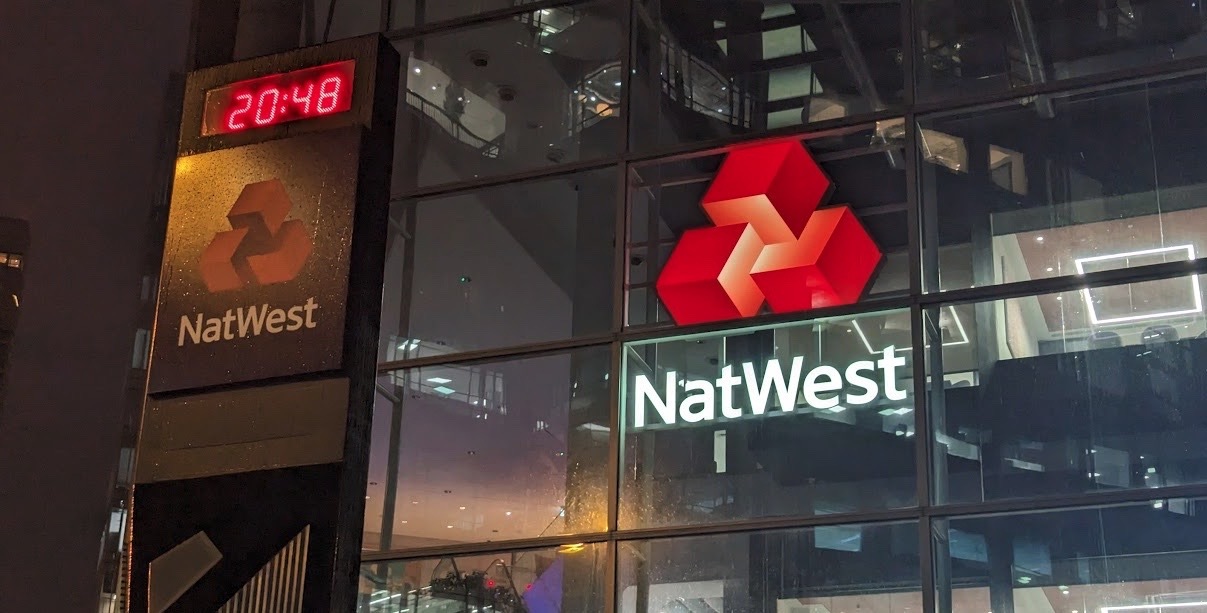
Royal Bank of Scotland-owner NatWest Group has seen its operating profit before tax rise 12% to £2 billion, up from £1.8bn in the same period last year, for the first quarter of 2026.
The growth was supported by a total income of £4.2bn (excluding notable items), representing a nearly 7% increase over Q1 2025. The bank benefited from healthy customer activity and the Bank of England’s decision to maintain higher interest rates at 3.75%, which helped drive a net interest margin of 2.47%.
The group has upgraded its full-year outlook, now expecting total income to reach the upper end of its £17.2bn to £17.6bn guidance range.
Lending activity remained a significant driver of growth, with net loans to customers (excluding central items) increasing by £7.2bn during the quarter to reach £396.4bn.
This expansion was particularly evident in the Retail Banking segment, where mortgage balances grew by £3.3bn, and in the Commercial & Institutional division, which saw broad-based growth across corporate and mid-market sectors. Customer deposits also saw a modest rise of £3.1bn to £444.8bn, primarily driven by strong inflows in commercial and current accounts, which offset seasonal tax-related outflows in the retail and wealth management sectors.
Despite the strong profit figures, NatWest updated its macroeconomic assumptions to reflect increasing global uncertainty and rising energy costs linked to the conflict in the Middle East.
The bank’s UK GDP growth forecast for 2026 was downgraded to 0.4%, while consumer price inflation is now expected to peak above 3.5%. To prepare for potential credit risks, the group recorded a £283m impairment charge for the quarter, which includes a £140m forward-looking impact to account for these weakened economic scenarios.
The group also made notable progress in AI adoption, as NatWest has become the first UK bank to launch an app within ChatGPT, providing tailored home-buying and re-mortgaging guidance.
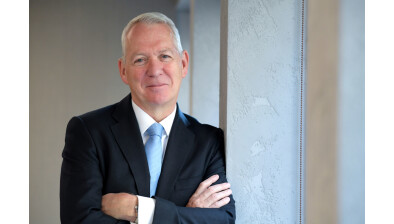
Chief executive Paul Thwaite said AI is allowing the bank to “meet more of our customers’ needs and further improving productivity”. He also highlighted that over 40% of the bank’s code is now written by AI, contributing to a reduced cost-to-income ratio of 46.5%.
At the bank’s AGM earlier this week, chairman Rick Haythornthwaite, told sister publication Daily Business that AI would enhance roles at the bank, acting as a “jobs changer” rather than a “jobs destroyer”.
Additionally, the bank’s £2.7bn acquisition of wealth manager Evelyn Partners is expected to complement organic growth, as evidenced by £900m in net inflows to assets under management this quarter.
As the first quarterly report since returning fully to private ownership, Nick Sherrard, managing director of Label Sessions, said the bank’s capital position and simplified structure place it in a strong position “to build a retail bank where wealth, lending and everyday banking feel like a single connected service”.
“Achieving that would be great for customers and the business, but doing so will be a real test of culture and leadership for the bank in its new era,” Mr Sherrard concluded.

Share this article:

Subscribe to our newsletter to not miss articles like this one:
 SUBSCRIBE