
Scottish corporate insolvencies slightly up in 2025 as experts warn of ‘volatile norm’
 Reading time: 3 minutes

Blair Milne
Scottish businesses continued to navigate a hostile economic landscape in 2025, with the latest figures revealing a year-on-year rise in corporate insolvencies.
Data from the Accountant in Bankruptcy (AiB) indicates that 1,272 corporate insolvencies were registered in 2025, a marginal increase from the previous year. However, the year concluded with a sharp spike, as December figures were up 35% compared to December 2024.
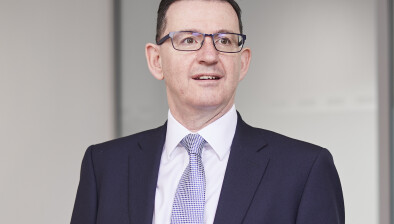
Blair Milne, a corporate insolvency partner at Azets, described the trend as clear evidence of a “volatile and uncertain operating environment” that is becoming the norm.
He said: “For many, continuing to trade after years of economic and political turbulence is simply becoming too difficult.
“Turnaround options and access to finance are becoming increasingly limited, and key creditors, in particular HMRC, are taking an increasingly tougher stance on chasing down debt.”
Compulsory liquidations rose by 13% over the year, suggesting that key creditors, particularly HMRC, are taking an increasingly aggressive stance on debt recovery. Mr Milne noted that increases in Employers’ National Insurance and the National Minimum Wage, combined with persistent inflation and the ripple effects of US tariffs, have acted as the final straw for many firms struggling to preserve margins.
The retail and construction sectors have been hit particularly hard. A disappointing “Golden Quarter” and a bleak Black Friday delivered a significant blow to High Street retailers, while construction firms have battled unsustainable material costs and legacy contracts. Mr Milne predicts further contraction for the High Street in 2026 as larger retailers cut costs and smaller businesses move online or close entirely.

Michelle Elliot
Michelle Elliot, restructuring advisory partner at FRP in Glasgow, said: “It might be a new year, but businesses continue to face the long-running challenges of high costs and weak demand, which are squeezing bottom lines.
“Scottish firms will have been glad to see a small reduction in incoming business rates in last week’s Budget. But these changes alone won’t offset the significant pressure that many remain under, particularly in consumer-facing sectors like hospitality and retail.
“In this environment, it remains critical that firms are seeking help at the first signs of any distress. Early intervention always maximises the chances of a good outcome.”
While annual figures show a rise, David Alexander, head of debt recovery at Gilson Gray, noted that some quarterly data did show a temporary fall in cases. However, he urges caution, warning that this should not be interpreted as a return to stability.
Mr Alexander argues that a drop in numbers may simply reflect registration time lags or businesses delaying difficult decisions rather than an improvement in trading conditions. He emphasised that the economy is still dealing with the “long tail” of post-pandemic borrowing and subdued consumer demand.
With cash flow remaining tight and creditors focused on recovery, the consensus is that business leaders must be proactive. Directors are advised to seek professional guidance at the very first sign of distress, such as falling cash flow or missed payments, to avoid compulsory closure and navigate the ongoing turbulence.

Share this article:

Subscribe to our newsletter to not miss articles like this one:
 SUBSCRIBE