
What it takes to be a CEO in Scotland
 Reading time: 4 minutes

Ali Shaw
An uncertain and rapidly changing world means that Scotland’s CEOs need to be able to stick to their vision and call on their determination to overcome challenges, but softer skills are increasingly coming to the fore, according to research from Livingston James and EY UK.
The firms’ Investigating the Future CEO report asked senior executives what characteristics CEOs would need for success in the future. ‘Vision and determination’ was the highest response by far at 68%, reflecting the need for leaders to provide clarity and stability within their organisations.
Building on that theme, ‘resilience’ was the second most popular choice, at 50%, with respondents citing the capacity to adapt, absorb pressure, and sustain trust in a volatile world becoming more important.
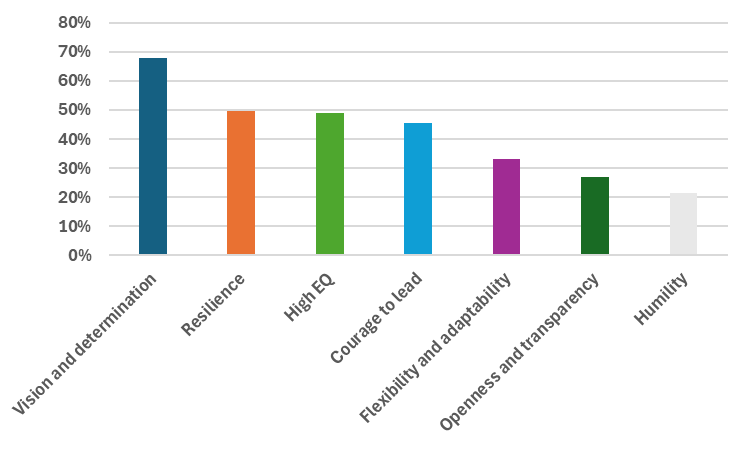
Chart 1: Top key attributes needed for CEOs to succeed in the future (Source: Livingston James, EY)
However, emotional intelligence has surged in importance compared to the previous year’s survey, in a shift towards human-centred leadership. HR and non-executive directors, in particular, said they saw it as essential for leading diverse teams, navigating stakeholder relationships, and being sensitive to cultural change.
Now in its second year, Investigating the Future CEO blends surveys and interviews with more than 200 CEOs, non-executive directors, and heads of function ranging from finance and HR to technology and operations. It also covers organisations of all sizes across the private, public, and third sectors in Scotland, with the majority from the business community (71%).
The report also found that internal succession planning remains a major challenge for organisations. Although 75% of respondents believe their successor currently sits within their senior leadership – up on 47% the previous year – one-quarter of executives still do not feel anyone in their team is ready to become CEO.
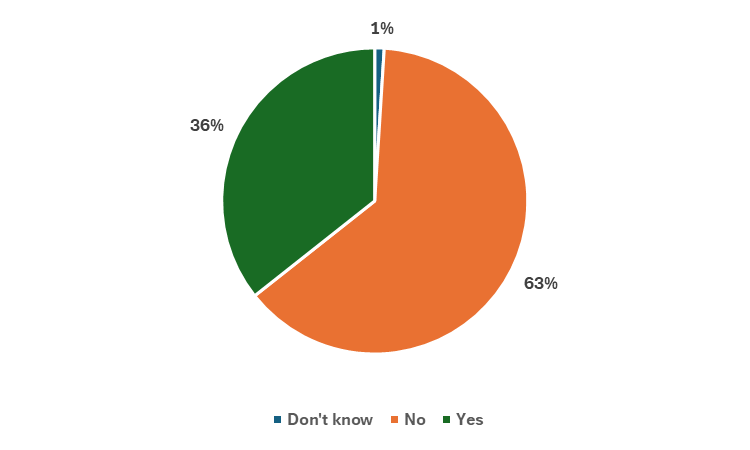
Chart 2: Do you see any of your current leadership team as potential CEOs? (Source: Livingston James, EY)
While ambition to reach CEO remains strong – 80% of functional leaders believe they have the potential to take on the position – structured routes are still limited. Only 29% of respondents said they are part of a formal succession plan and 70% of leaders don’t know about, or don’t believe there are, adequate pathways in place for them to progress into a CEO role.
Ali Shaw, director at Livingston James, said: “The way leadership teams see CEOs is evolving. While being determined, resilient, and having the courage to lead are still highly rated attributes, a softer side is becoming more important. With the world becoming a more uncertain place, that is only likely to grow in importance as employees at all levels look to their CEO as the person driving the organisation forward and providing long-term perspective, backed up with authenticity and relatability to take people along with them.
“Our findings also underline the need for more deliberate leadership development and exposure to cross-functional experience. Organisations that invest in structured succession, mentoring, and board readiness will not only retain high-potential talent – one of the key concerns keeping leaders awake at night, according to the report – but ensure continuity when the time for new leadership arrives.”
Cara Heaney, people advisory services and managed services leader at EY Scotland, added: “Vision, determination and resilience will always be core to the CEO role, but this research shows that softer skills – particularly emotional intelligence – are now just as critical. In an uncertain, fast‑changing world, leaders need to set a clear direction and also listen, empathise, and respond to the needs of diverse teams and stakeholders.
“As expectations of leaders rise, organisations in Scotland will need to be more considered about how they develop future CEOs – giving high‑potential leaders structured opportunities, mentoring, and cross‑functional experience so they can develop these softer skills alongside the day-to-day experience the role still demands.”

Share this article:

Subscribe to our newsletter to not miss articles like this one:
 SUBSCRIBE