Deloitte report warns of growing dissatisfaction with Scottish public services
 Reading time: 4 minutes
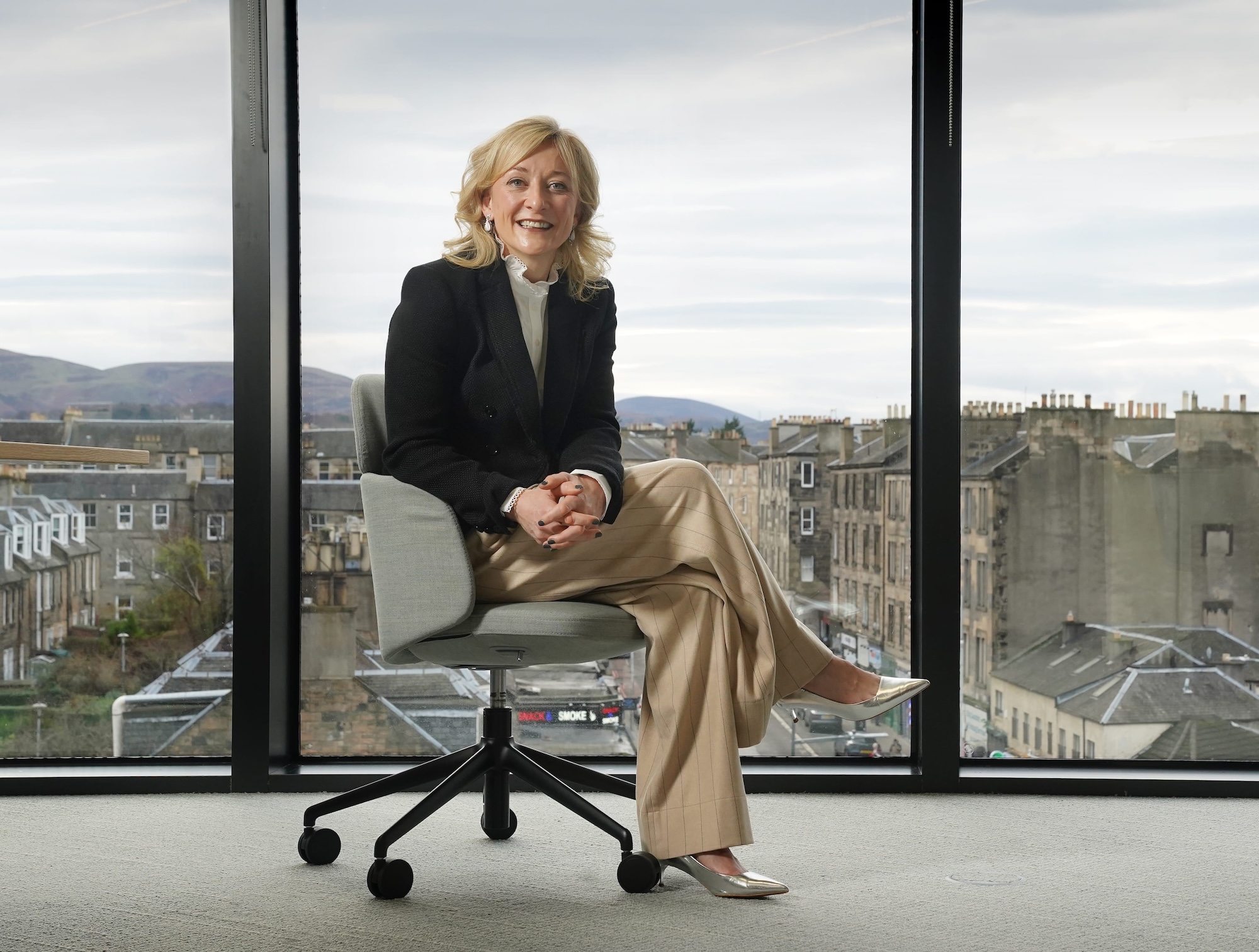
Lesley Smillie, office senior partner for Deloitte Edinburgh.
Overall satisfaction with Scotland’s public services has fallen since 2020, according to a new report from Deloitte and independent think tank Re:State.
Findings from The State of the State 2026, an annual report that examines attitudes to government and public services, shows that while Scots are more satisfied than dissatisfied with several public services, a decline in overall satisfaction since 2020 highlights key areas for improvement.
Ipsos UK conducted a survey of 5,847 UK adults aged 16-75, which included 834 people from Scotland. Deloitte also held in-depth interviews with 118 leaders from across the public sector to support the research.
The Holyrood election was front of mind for many of the officials who gave their views, with some seeing the next Scottish Government as one that could herald a new era of devolution.
When asked about satisfaction in local services, the poll found people in Scotland were more satisfied than dissatisfied with their local council services, transport, local amenities, the local environment, schools and safety from crime. They were least satisfied with hospitals, opportunities to improve skills, housing, job prospects and social care.
However, since the question was last asked in 2020, satisfaction in local services has gone down almost across the board. The most significant fall is satisfaction levels for hospitals and healthcare, where satisfaction has dipped from 69% in 2020 to 34% in the latest poll. Dissatisfaction has jumped from 15% to 41%.
For the fourth year running, the cost of living crisis and the NHS are cited as the Scottish public’s top concerns, chosen by 74% and 73% of the Scottish public respectively.
However, this year’s report has also seen some major shifts in public priorities in both Scotland and the rest of the UK. In Scotland, concerns about immigration and border security have risen eight percentage points, to 47%, ranking it third in the list of priorities. In the rest of the UK, this increased by six percentage points to 53%.
While the top three priorities are consistent across the UK’s nations, crime is higher on the agenda in England (46% versus 39% in Scotland), and social care is more of a priority in Scotland (43% in Scotland versus 39% in England).
The report also explored public attitudes to the use of AI in public services.
When asked about the potential benefits, 33% in Scotland said that AI could lead to “less administrative tasks”, 33% said the public sector could “analyse more information”, and 28% said it could “reduce costs”.
When asked to name the top risks associated with AI, 56% of the Scottish public said “reduced human contact”, 52% said “potential job losses” and 48% said “loss of human oversight”.
Lesley Smillie, office senior partner for Deloitte Edinburgh, said: “With only a few months until the Holyrood election, this year’s State of the State report highlights a complex set of challenges and opportunities for the public sector and indeed all parties in the next Scottish Parliament.
“Scotland faces many of the same pressures as the rest of the UK – constrained finances, rising demand on public services and legacy systems – but our research shows that there is strong appetite for meaningful transformation among public sector leaders.
“They are ready for action, focused on improving delivery, attracting talent and embracing innovation, including harnessing emerging technologies like AI. The public recognises the potential of AI to improve services and efficiency, but they still expect careful human oversight, which remains critical.
“If the next Scottish Government seizes these opportunities responsibly, there is real potential for renewal and for Scotland to realise its full capabilities.”

Share this article:

Subscribe to our newsletter to not miss articles like this one:
 SUBSCRIBE