
Written by:

Healey’s fiscal headroom could be wiped out by Iran war, EY warns
 Reading time: 2 minutes
Written by:
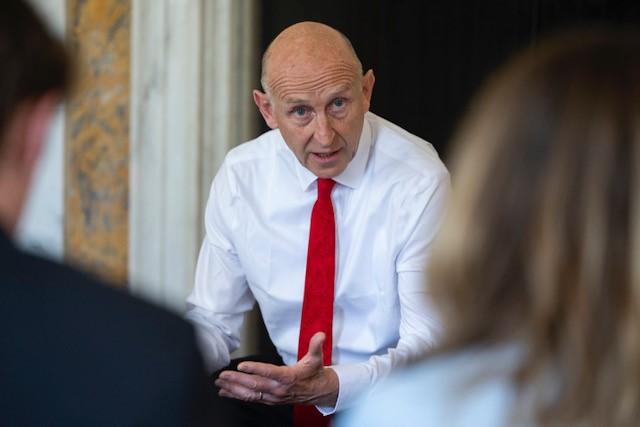
Chancellor John Healey
Economists have warned that Chancellor John Healey’s fiscal headroom could be wiped out by the impact of the Iran War.
They claimed that the forecast by the Office for Budget Responsibility (OBR) could offer a ore pessimistic view on the UK economy as analysts from EY suggest the buffer against a borrowing target has dropped to £11bn.
They economist said the headroom could be wiped out as a further £18bn could be slashed from the fiscal forecast if the Iran war continues until the middle of next year.
EY noted that the impact on public finances reflects the UK economy’s partial dependence on events outside of its own control, indicating a relatively small change in forecasts could throw the Chancellor’s plans off course.
The estimated £11.3bn headroom is relying on the Strait of Hormuz, the trading route in the Gulf region, re-opens around the time of the Budget. The EY forecast suggested in a worse case scenario inflation would hit 6% with economic activity across the UK slowed down with Healey dealing with a £7bn deficit in his current budget for 2029/2030.
The research also suggested a fall in unemployment could deliver higher earning growth, boosting tax receipts, delivering a £40bn rise in the fiscal headroom.
Mats Persson, EY’s macro and geostrategy analyst, said forecast judgment showed “how exposed the UK’s fiscal position has become to events well beyond its borders”.
“Energy market disruption originating in the Middle East has fed through into inflation, growth and borrowing costs, and UK gilt yields have reached their highest levels this century.
“The geopolitical backdrop may be outside the government’s control, but strengthening the supply side of the economy, such as by unlocking stronger productivity or creating the conditions for sustained business investment, would build capacity to help absorb external shocks.
“That is a longer-term agenda than any single budget but will ultimately determine how much room future chancellors have to work with.”

Share this article:

Subscribe to our newsletter to not miss articles like this one:
 SUBSCRIBE